

A high-rise condominium can look calm from the street while several complicated systems compete for attention inside. An elevator technician needs access, a move occupies the loading area, a water complaint affects three floors, and residents want a reliable answer about an interrupted amenity. Each issue may seem manageable on its own. The challenge lies in coordinating them without losing sight of safety, service, and accountability.
High-rise condo management in Toronto requires more than a longer maintenance list. Boards need to understand how equipment, people, contractors, information, and decisions interact. A delay in one area can create consequences elsewhere, particularly when several activities rely on the same access route, system, or staff member.
The seven challenges below focus on those operational connections. They offer a practical way to assess whether the corporation’s management arrangements match the building’s actual demands, rather than assuming that unit count alone defines the workload.

Challenge 1: Managing Interdependent Building Systems
Heating, cooling, ventilation, domestic water, electrical distribution, and control systems support daily life in a high-rise. The board does not need to operate that equipment. It does need reporting that explains dependencies, recurring concerns, and the decisions that require qualified technical advice.
Look Beyond Individual Service Calls
Repeated calls can appear unrelated when each invoice describes only the latest symptom. Ask management to connect incidents by equipment, location, date, and reported condition. A pattern may justify a more comprehensive assessment instead of another isolated repair.
The purpose is not to let directors diagnose equipment from a spreadsheet. It is to give the appropriate contractor or consultant a usable history. Record what the professional established, what remains uncertain, and what action the board needs to consider. Distinguish a temporary restoration of service from a confirmed resolution of the underlying issue.
Plan Around System Dependencies
Before significant work begins, ask which services will stop, which contractors must coordinate, and who controls the restart process. A project may involve access arrangements, resident notices, temporary measures, and verification after completion. Those dependencies should appear in the work plan rather than emerge on the day of the shutdown.
Boards evaluating condominium management in Toronto should discuss how a provider organizes this coordination. Ask for the proposed process and reporting, not a promise that equipment will never fail.
Reliable management means understanding the situation and directing the next appropriate action within its role.
Challenge 2: Keeping Vertical Transportation Reliable and Useable
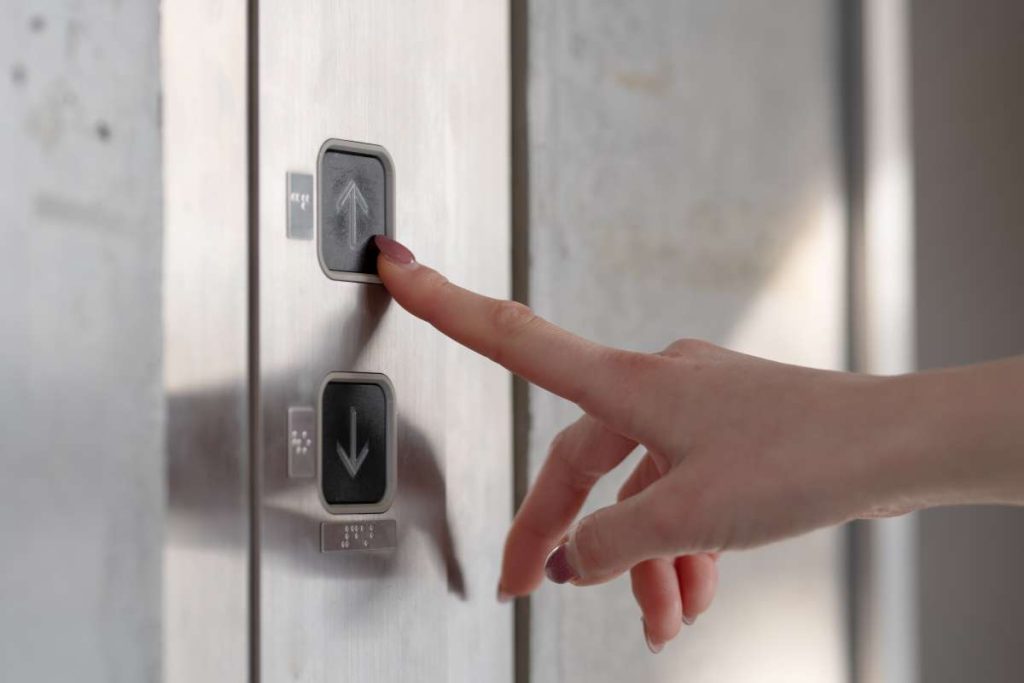
Elevators affect residents, deliveries, moving activity, contractors, and emergency access. A service interruption can create a disproportionate burden for someone who cannot readily use stairs. Boards should therefore consider both technical reliability and the practical impact of reduced service.
Monitor Patters and Regulatory Follow Through
Ask for a useful history of outages, contractor attendance, recurring faults, and outstanding recommendations. A count of service calls alone does not explain duration or consequence. One long outage may affect the community differently from several brief interruptions.
The TSSA’s guidance for elevator owners and operators outlines responsibilities including qualified contractors, incident reporting, and reporting outages exceeding 48 hours. Management should coordinate the applicable process, while the corporation confirms that the responsible parties complete it. A maintenance contract does not eliminate the need for oversight.
Coordinate Use During Reduced Service
When fewer elevators operate, review move bookings, large deliveries, contractor access, and resident communications. Ask management how it will handle competing demands without giving inconsistent instructions to staff and service providers. Any operating restriction should reflect qualified advice and the building’s circumstances.
Explain what residents can expect and when they will receive another update. Avoid promising a return-to-service time before the contractor confirms it. Establish a confidential channel for residents who need assistance, and consider individual needs through the appropriate process rather than asking people to disclose personal circumstances publicly.

Challenge 3: Containing Water Incidents Across Multiple Homes
Water can move beyond the location where someone first notices it. In a high-rise, an incident may involve several units, common areas, building systems, and insurers. The board needs a response structure that separates immediate protection from investigation, restoration, and cost allocation.
Keep the Initial Response Focused
Residents should know how to report an urgent water issue and when to contact emergency services. Staff need clear instructions for contacting qualified responders and escalating concerns. Technical intervention belongs with trained, authorized people, not an improvised group of directors or neighbours.
Record the reported location, time, visible effects, and actions taken without declaring fault prematurely. Preserve relevant evidence when safe and appropriate. A useful incident record helps the corporation’s professionals investigate while keeping later communications consistent with what the team actually knows.
Separate Repair Responsibility From the Source
The CAO’s guidance on repairs after damage explains that responsibilities depend on legislation and governing documents. The fact that water first appeared in a particular unit does not, by itself, resolve repair obligations, insurance coverage, or a potential chargeback.
Ask management to identify the next decision in each workstream. One professional may assess the cause, another may develop a restoration scope, and the broker may advise on claims reporting. The board should understand who coordinates those activities and which conclusions still require legal or technical advice.

Challenge 4: Coordinate People, Access, and Shared Spaces
A busy lobby is an operating environment, not merely an entrance. Residents, visitors, delivery workers, contractors, staff, and moving crews need access for different reasons. The management arrangement must balance service with clear procedures and appropriate control of information.
Design Practical Handoffs Between Teams
Ask how the concierge or security team transfers an unresolved issue to management and how management confirms the next action. A note in a shift log may not reach the person who can authorize work. Likewise, a manager’s email may not inform the next staff member on duty.
Use a consistent handoff process for access restrictions, equipment concerns, contractor appointments, and resident notices. Define which matters require immediate escalation and which can enter the ordinary work-order system. Avoid relying on one experienced employee to remember every exception and explain it to every replacement.
Match Staffing to Workload, Not Appearance
An attractive front desk does not establish adequate operational capacity. Review peak activity, delivery volume, amenity use, move frequency, and the complexity of resident requests. Consider what each role can realistically handle and which tasks require separate management or technical support.
ICON’s comparison of on-site and portfolio management models can help directors examine the management arrangement. A high-rise may need a particular level of presence or support, but the board should establish the case through its actual workload rather than assume a universal staffing formula.
Amenity administration also deserves attention. Booking processes, access conditions, cleaning, inspections, and maintenance should connect. A resident portal can record a reservation, but someone still needs to resolve a damaged door, an unavailable room, or conflicting instructions about a contractor’s work.

Challenge 5: Keeping Fire and Life-Safety Arrangements Building-Specific
Generic emergency advice cannot replace the procedures designed for a particular high-rise. Directors should understand the corporation’s coordination responsibilities and verify that the appropriate professionals, staff, and residents receive accurate information about the building’s arrangements.
Use the Approved Fire Safety Plan
The City of Toronto’s high-rise fire safety guidance emphasizes learning the building’s approved fire safety plan. Management should coordinate current information and required professional support rather than substitute a generic evacuation message copied from another property.
Ask who maintains the plan, updates relevant contacts, and coordinates training and follow-up. Confirm the process for changes that affect access, equipment, staffing, or occupancy arrangements. Technical questions belong with the appropriate fire-safety professionals and authorities.
Track Deficiencies Through Resolution
An inspection report should lead to an understandable action record. Identify findings, responsible parties, required work, and confirmation of completion. Do not treat the contractor’s attendance as proof that every issue has ended.
When work affects safety systems or access, ask the responsible professionals what interim arrangements apply. Communicate approved instructions clearly to the people who need them. Directors should never improvise operational workarounds or encourage residents to disregard alarms because the building has experienced previous false alarms.
Support residents who need assistance through an appropriate, confidential process. The corporation should understand how those arrangements connect with its approved plan and professional guidance, while avoiding unsupported promises about what staff can provide during an emergency.

Challenge 6: Scheduling Contractors Without Creating New Conflicts
High-rise projects compete for access, staging space, elevators, loading areas, and staff attention. A technically sound scope can still produce disruption when the scheduling process ignores other work. Contractor coordination should therefore address the whole property, not only the location of the repair.
Establish Dependencies Before Approving Dates
Ask management to identify which activities cannot occur together. A loading-area closure may conflict with a scheduled move. Equipment work may require access through an amenity. Two contractors may each assume that another party will isolate a system or restore a finish.
Before confirming dates, clarify access arrangements, supervision, safety responsibilities, resident impacts, and the person authorized to approve changes. The board does not need to manage the site personally, but it should know whether the plan addresses the obvious dependencies.
The CAO’s procurement guidance encourages documenting needs and monitoring purchasing decisions. Apply that approach to the delivery stage as well. Selecting a contractor is only one part of obtaining the intended outcome.
Keep Scope Changes and Shared Obligations Visible
A change request should explain the reason, cost, timing, and effect on other work before the authorized decision-maker approves it. Distinguish a newly discovered condition from a preference for a different finish or an unrelated improvement. The distinction can affect funding and approvals.
Where shared facilities or neighbouring components enter the work, identify the relevant agreements and parties early. Do not assume the corporation can direct work on another party’s behalf. Ask legal and technical advisers to resolve unclear boundaries before management commits to a scope.
ICON’s guide to procurement and contractor oversight expands on the wider process. For high-rise operations, the board’s immediate question is whether the delivery plan protects continuity while preserving clear authority and documentation.

Challenge 7: Turning High Volumes of Information Into Useful Decisions
Large buildings generate many messages, service records, invoices, reports, and complaints. More information does not automatically produce better oversight. Directors need a process that identifies meaningful changes and gives each decision enough context without making the board the central dispatch desk.
Define What Needs the Board’s Attention
Agree on escalation criteria for safety concerns, major service disruption, significant financial exposure, unresolved recurring issues, and decisions outside delegated authority. Management can handle routine work within its role while bringing the right exceptions forward.
The CAO’s guide to overseeing condo managers provides a framework for a productive working relationship. Clear responsibilities help the board avoid two extremes: approving every minor task or receiving so little information that significant issues remain invisible.
Ask for recommendations that explain the issue, options, supporting advice, cost, timing, and consequence of delay. When management lacks an answer, the report should identify the investigation and next update rather than cover uncertainty with confident but unsupported language.
Use Measures That Reflect Resident Experience
A closed work order can indicate completed work, an administrative closure, or transfer to another party. Define what the measure means before using it to assess performance. Otherwise, the board may reward fast closure while residents continue experiencing the same problem.
Useful measures might track recurring equipment failures, unresolved items past their target date, or the time between a reported issue and the next substantive update. Select a manageable set and review the reasons behind the numbers. Avoid universal targets that ignore the property’s circumstances.
ICON’s guidance on monthly condo management reporting can help directors turn this information into a consistent decision package. The report should connect operations to board action, not simply reproduce a long activity log.

Build an Operating Rhythm That Connects the Seven Challenges
These challenges rarely stay in separate categories. A water incident can affect elevators, contractors, resident access, insurance records, and financial decisions at the same time. The board therefore needs a coordinated rhythm rather than seven disconnected checklists.
Review Cross-System Issues Together
At regular operational reviews, ask which current issues affect more than one system or team. A project coordinator may need input from building staff, management, the engineer, and the contractor. Bringing the relevant facts together can prevent one team’s solution from creating another team’s problem.
Use one accountable lead for coordination, while preserving each professional’s responsibilities. The lead should maintain the decision record, identify dependencies, and communicate the next milestone. That role does not replace the technical authority of the contractor or consultant.
Consider a hypothetical pump replacement that requires a water interruption and access through a service corridor. The work plan should connect technical instructions, contractor attendance, resident notices, access needs, and post-work verification. The board can then review one coordinated recommendation instead of approving several disconnected requests without seeing their combined effect.
Run a Coordination Exercise Before a Busy Period
A practical tabletop discussion can reveal gaps without waiting for an incident. Choose an ordinary but demanding scenario, such as an elevator outage during a scheduled move while a contractor needs access to the loading area. Ask each team to explain whom they would contact, what information they would need, and which decision falls outside their authority.
The exercise should focus on handoffs, not technical improvisation. Building staff might identify a missing backup contact. Management might discover that the booking system does not show a contractor reservation. A director might realize that the board has never agreed on the escalation route when several services compete for limited access.
Record the gaps and assign specific improvements. Update the operating reference, confirm the appropriate professional input, and explain revised instructions to the people who will use them. A discussion that produces no change can create false confidence, while a small correction to a recurring handoff can prevent repeated confusion.
Repeat the exercise when a major project changes the building’s normal routines. During a prolonged restoration, the usual loading route or service corridor may no longer work. The corporation should reassess its coordination arrangements rather than assume that procedures developed for ordinary operations still fit.
Consider communications as part of the exercise. Residents need accurate instructions about service impacts, but contractors may need different operational details and authorized staff may need controlled access information. Test how the team will deliver each message without circulating sensitive material too widely or forcing every audience to interpret the same generic notice.
Review Capacity Before Adding More Work
A major project or recurring incident can change the workload even when the building’s unit count stays the same. Ask whether the current arrangement provides enough time and specialist support to manage the additional coordination. Reassess temporary needs as circumstances evolve.
Discuss trade-offs openly. Additional reporting, extended attendance, or a complex project may require revised responsibilities or resources. Clear expectations help the board evaluate value without assuming that every new task fits inside an unchanged service model.

Common Questions About Toronto High-Rise Condo Management
Boards often ask whether their operational concerns reflect building complexity, a service gap, or both. These questions can help structure that discussion without relying on broad comparisons with neighbouring properties.
Does Every High-Rise Need the Same Management Structure?
No. Building age, systems, amenities, staffing, turnover, projects, and resident needs all influence workload. Compare the proposed arrangement with the corporation’s actual demands and available support. Unit count provides context, but it cannot explain every difference between two buildings of similar size.
Should Directors Supervise Contractors Personally?
Directors should provide oversight and make decisions within the board’s role. Management coordinates authorized work, while qualified contractors and consultants carry out their respective responsibilities. Personal involvement does not replace technical expertise and can create conflicting instructions when the corporation lacks a clear communication route.
What Is the Best Sign That Operations Need Attention?
Look for unresolved patterns rather than one frustrating day. Repeated failures without investigation, inconsistent instructions, missing completion evidence, and decisions that stall without explanation all deserve discussion. Ask what process or resource would address the pattern and how the corporation will verify improvement.
Match Management Support to the Building Your Actually Operate
Effective high-rise management connects systems, people, and decisions. The board should understand how its arrangements handle that coordination before a busy week or major incident exposes gaps.
To review your building’s management needs, request a tailored condominium management proposal from ICON. Describe the operational challenges, upcoming projects, and service expectations that matter most to your community. Those details create a more useful conversation than unit count or price alone.