

A water line fails late at night. Several residents report damage, the regular manager is unavailable, and a contractor needs instructions before beginning work. The board’s group chat quickly fills with two questions: who can authorize the response, and who will pay?
Those questions matter, but they do not necessarily have the same answer or follow the same timeline. The corporation may need immediate action to protect people and property while professionals investigate the cause, assess damage, and determine the appropriate allocation of costs. Waiting for every liability question to resolve can leave the immediate problem unmanaged.
Emergency repairs in an Ontario condominium require a clear distinction between urgent response, authority to instruct work, repair obligations, insurance, and possible recovery from another party. This guide explains how boards can organize those decisions without assuming that an emergency removes normal accountability or that the source of a problem automatically determines the bill.
Put Immediate Safety Ahead of the Cost Debate
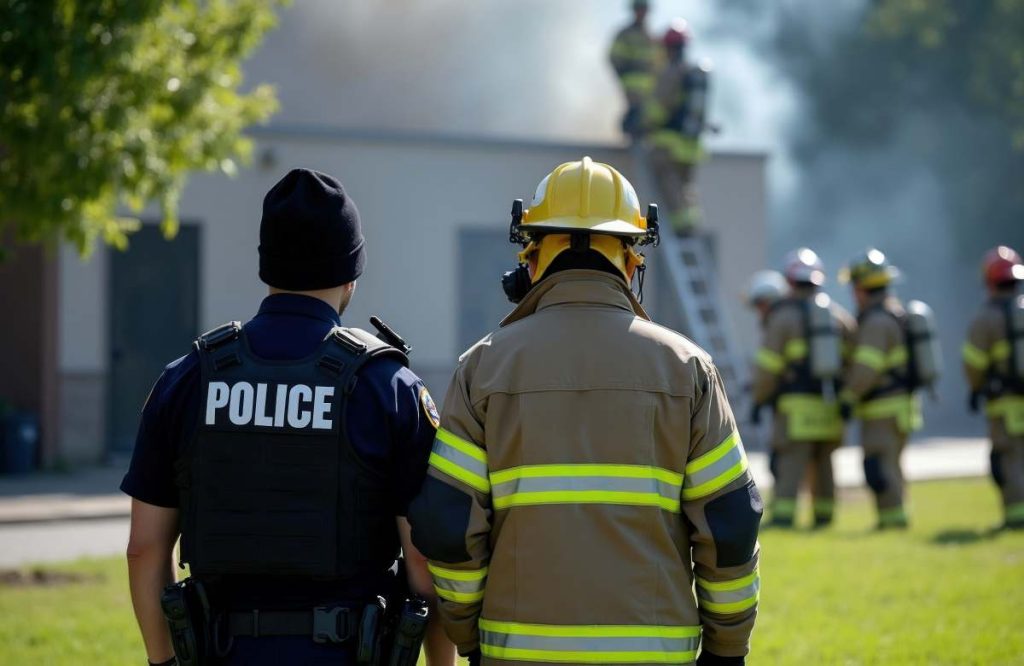
An emergency response begins with the conditions people face, not the accounting classification. A threat to life, a fire, a suspected gas emergency, or another immediately dangerous situation requires the appropriate emergency service. Call 911 when immediate danger warrants it and follow the directions of emergency responders.
Use the Building’s Procedures and Qualified Responders
Residents and staff should follow the building’s established emergency procedures. Toronto’s high-rise fire safety guidance emphasizes the building-specific fire safety plan. A general blog or a director’s group message should not replace that plan or emergency-service instructions.
Keep technical intervention with trained, authorized people. Directors and residents should not enter unsafe areas, handle electrical hazards, or attempt unfamiliar equipment isolation. The board’s contribution is to support clear coordination and access to appropriate responders, not to create improvised repair instructions.
ICON’s guide to condominium emergency preparedness addresses the broader planning process. For a live incident, the immediate objective is to activate the arrangements the corporation has established and escalate any gap promptly.
Distinguish an Urgent Situation From an Inconvenience
The severity of the condition, risk of further harm, affected services, and professional advice should guide the response. Not every after-hours complaint requires emergency repair rates. Equally, a quiet problem can still require urgent action if it threatens safety or causes continuing damage.
Ask the appropriate responder to assess the condition. Record what the team knows and what remains uncertain. Avoid dismissing a concern because the last similar report proved minor, and avoid labelling every resident frustration an emergency without considering the facts.
Establish Who Can Authorize Immediate Work
Authority should be clear before an incident occurs. The management agreement, board-approved delegations, governing documents, and applicable law shape the decision pathway. The corporation should understand how that pathway operates when the usual contact cannot respond.
Use Delegation Without Treating It as Unlimited Authority
A manager may have authority to arrange certain urgent work within the agreed framework. The board may need to authorize further expenditure or a different scope. Confirm the actual arrangement rather than assume that every management agreement grants the same emergency powers or spending limit.
Ontario’s Condominium Act, 1998 provides the broader framework for the corporation’s responsibilities, repairs, and access. Ask the corporation’s lawyer to help align emergency procedures with that framework. A contract or board policy should not suggest that urgency suspends applicable legal requirements.
Specify backup contacts and escalation. If one director is unavailable, the process should identify the next appropriate contact rather than rely on repeated calls to the same number. Record attempted contacts when they matter to understanding the response, while continuing necessary safety escalation through the proper channels.
Document the Immediate Decision
The initial record should explain the condition, available advice, authorized action, and reason the work could not reasonably wait. Identify who instructed the contractor and the scope of that instruction. If the team cannot yet establish a precise total, document the estimate or pricing basis available and the requirement for further updates.
Do not invent a retrospective approval that obscures what happened. The board should review the actual sequence, confirm the next steps, and address any weakness in the process. Honest records support accountability more effectively than a tidy but inaccurate account.

Separate Stabilization From Permanent Restoration
The first contractor on site may need to stop continuing damage or restore a critical service. That does not necessarily authorize every later repair, replacement, or improvement. Treat the incident as a sequence of decisions rather than one open-ended instruction to fix everything.
Define the Immediate Protective Scope
Ask the qualified responder to explain what work protects people and property now, what information remains missing, and what can wait for a more complete assessment. The corporation should understand any temporary measures, monitoring requirements, and limits on the restored service.
Keep the scope clear as the situation develops. A contractor may discover additional damage or a different cause. That finding should trigger an update and appropriate authorization, not an assumption that the original instruction covers unlimited additional work.
Reassess the Permanent Repair
Once the situation stabilizes, obtain the technical advice needed to develop an appropriate restoration scope. Consider quotations, consultants, funding, insurance coordination, and any required approvals. An emergency does not automatically convert a discretionary upgrade into necessary immediate work.
ICON’s guide to contractor procurement and oversight provides a framework for the broader purchasing process. Apply proportionate controls as soon as circumstances allow, while preserving the evidence and continuity the ongoing incident requires.
Determine Repair Responsibility Separately From Fault
The question “who repairs?” differs from “who caused it?” and “who ultimately pays?” A corporation may have an obligation to arrange work even while the cause remains under investigation. Owners may also have responsibilities that the corporation’s response does not erase.
Review the Act and Governing Documents
The CAO’s guidance on repairs after damage explains that obligations depend on legislation and the corporation’s documents. Standard unit definitions, maintenance provisions, repair provisions, and relevant agreements can all matter.
Do not decide responsibility solely by the physical location of the damage. A component inside a unit may require analysis of the declaration or another agreement. Similarly, damage to a unit can involve standard elements, improvements, and personal belongings with different implications.
Ask counsel to resolve uncertain responsibility questions. Management can assemble documents and coordinate the inquiry, but a confident assumption from a busy telephone call should not become the corporation’s legal position.
Keep Cause, Scope, and Cost as Distinct Findings
A technical report may identify where water escaped without deciding negligence or every legal consequence. A restoration contractor may estimate damage without determining which policy responds. Preserve those distinctions when explaining the incident to directors and residents.
Use factual language. State what the professional observed, the work undertaken, and the questions that remain open. Avoid naming an owner as responsible in a general notice before the corporation has completed the necessary investigation and advice.

Understand the Difference Between Paying Now and Paying Ultimately
The corporation may need to arrange and pay for authorized work before insurance or recovery questions settle. That initial payment does not automatically establish final responsibility. Directors should understand both the immediate funding requirement and the process for determining any reimbursement or allocation.
Track Costs by Phase and Purpose
Separate emergency attendance, protective work, investigation, restoration, and any unrelated improvement. Ask contractors for clear invoices and supporting descriptions. A single combined charge can make later review more difficult, particularly when different obligations or coverage questions apply.
Record the person who authorized each phase and any change in scope. The accounting team should know which figures represent estimates, approved commitments, invoices, or payments. These distinctions help the board avoid reporting a preliminary total as the final cost of the incident.
ICON’s guide to reading condominium financial statements can help directors frame questions about cash requirements and commitments. The corporation’s accountant should advise on the proper accounting treatment, including any uncertain recovery.
Choose the Funding Source Through the Right Advice
The fact that a repair is urgent does not determine which account should fund it. The CAO’s reserve fund guidance explains the fund’s restricted purpose for major repair and replacement of common elements and assets. Not every emergency-related expense necessarily fits that purpose.
Ask the corporation’s advisers to address uncertain classifications and funding options. Do not use a large reserve balance as a reason to bypass the analysis. Likewise, do not treat an expected insurance recovery as cash already available for payment.
Review whether the incident affects other commitments. A significant payment may change the corporation’s short-term position even when the annual budget appears sufficient. Directors need a realistic funding picture while the claims or recovery process continues.
Involve Insurance Without Assuming the Outcome
Insurance can form an important part of the response, but coverage depends on policy wording and facts. The broker, insurer, and adjuster have distinct roles. The corporation should follow the applicable reporting requirements and preserve the information they need.
Notify Through the Policy’s Process
Contact the broker or insurer promptly as the policy requires, even when the final cost remains unknown. Ask how the corporation should coordinate emergency measures, investigation, evidence preservation, and further repair work. Do not delay necessary safety measures while waiting for a coverage decision.
Avoid promising residents that the corporation’s insurer will cover every damaged item or that their personal policy will respond. Encourage affected owners to contact their own insurers and review their circumstances. Management can share appropriate factual information without making coverage determinations.
Keep a clear record of instructions and communications. Identify who coordinates with the adjuster and who will provide the next update to the board. Multiple people giving conflicting accounts can complicate an already stressful process.
Treat the Deductible as a Separate Legal and Financial Question
The corporation’s deductible is not automatically a bill for the owner nearest the source of the incident. Allocation may depend on section 105 of the Act, applicable by-laws, the nature of the loss, and the facts. Ask counsel to review a proposed allocation rather than rely on the incident location alone.
An owner’s insurance may address certain assessments or liabilities, but the corporation should not assume that it does. Owners need advice from their own insurance professionals. The board’s responsibility is to apply the appropriate framework and explain its position accurately.

Assess Any Chargeback Before Posting It to an Owner’s Account
A chargeback requires a proper legal basis. The corporation should not use it as an automatic way to move an uncomfortable expense off the shared budget. The investigation, documents, notice requirements, and proposed amount all deserve careful review.
Identify the Actual Authority for Recovery
The CAO’s guidance on condominium chargebacks explains that specific legal and governing-document provisions can permit recovery in particular circumstances. Different categories involve different requirements. Do not assume a broad statement about owner responsibility authorizes every repair or administrative charge.
Ask counsel to confirm the basis, process, and amount before the corporation posts a disputed or uncertain charge. Keep repair costs separate from compliance-related legal expenses or other charges that may follow different rules.
Provide the affected owner with a clear explanation and appropriate supporting information. The communication should identify the basis of the corporation’s position and the process for raising questions, without disclosing another person’s protected information or privileged advice.
A Hypothetical Water-Loss Example
Suppose a corporation incurs $20,000 in emergency and restoration costs after water escapes near a unit, and its relevant policy deductible is $50,000. These illustrative numbers do not establish that the owner owes either amount. The corporation still needs to understand the cause, repair responsibilities, policy response, and applicable allocation provisions.
Some costs may relate to standard elements, improvements, or other property. The factual and legal analysis may also distinguish immediate mitigation from later work. A responsible decision follows that analysis rather than assigning the entire invoice based on where someone first saw water.
The example highlights the central distinction: urgency can justify prompt protective action, but it does not eliminate the need to establish the legal basis for final cost allocation.
Communicate Often Without Speculating
Residents need practical information during an incident. They want to know which services the incident affects, what they should do, how to report a concern, and when another update will arrive. They usually do not need the board’s entire working discussion or an early theory about fault.
Explain Confirmed Impacts and Next Steps
State the affected area or service, relevant access instructions, and the next confirmed activity. When timing remains uncertain, explain what the team is waiting for and when it will provide another update. A realistic update is more useful than an optimistic completion promise that the contractor cannot support.
Use the building’s approved channels and consider residents who may not receive a single digital notice. Provide an appropriate route for individual needs. Keep personal details out of general communications and avoid asking residents to discuss sensitive circumstances in a public forum.
Keep the Board’s Incident Record Current
Management should maintain a concise chronology of material events, decisions, costs, and open questions. The record should identify supporting reports and communications without becoming an unfiltered collection of messages.
ICON’s guidance on monthly condo management reports can help incorporate ongoing follow-up after the urgent phase. The regular reporting cycle should track restoration and unresolved decisions, but it should never delay an update that the incident requires sooner.

Close the Incident Only After the Follow-Through
Restored service does not always mean the incident is complete. The corporation may still need final reports, invoice review, insurance decisions, deficiencies, warranty information, and a prevention recommendation. Each open item should have a responsible person and a next action.
Verify Completion and Remaining Risk
Ask the appropriate contractor or consultant to confirm the work within their role. Record any limitations, further investigation, monitoring, or temporary arrangement that remains. Do not describe the problem as permanently resolved when the professional advice supports only a provisional conclusion.
Review the final cost against authorized scopes and investigate unexplained differences. Confirm the treatment of claims, recoveries, and proposed owner allocations with the relevant advisers. Close accounting and operational items deliberately rather than assuming that payment ends both.
Improve the Response Process
Review what helped and what created delay. Did staff know the reporting route? Could the responding team reach an authorized contact? Did the contractor receive clear instructions? Could management locate the relevant plans and documents?
Choose specific improvements and assign them. A revised contact list, clearer delegation, additional training, or a better incident record may address a recurring weakness. The objective is not to promise that no emergency will happen again. It is to make the next response more coordinated and accountable.
A brief review meeting can include the people who actually handled the incident, not only those who approved the invoices. Their observations may reveal practical gaps in access, handoffs, or resident communication that the formal reports do not capture. Preserve the lessons without turning the review into unsupported blame.

Common Questions About Emergency Condo Repairs
The following answers distinguish immediate coordination from final responsibility. The corporation should obtain legal, technical, and insurance advice where the facts or documents leave uncertainty.
Can Management Start Work Before Reaching Every Director?
That depends on the applicable authority and circumstances. The corporation should establish an appropriate emergency delegation and backup process in advance. A manager should act within that framework and document the response. Immediate safety escalation should follow the building’s procedures and emergency-service directions, not wait for a complete group-chat discussion.
Can an Owner Hire a Contractor and Automatically Send the Bill to the Corporation?
Owners should not assume automatic reimbursement. Ownership responsibilities, urgency, notice, authorization, and the reasonableness of the work can matter. Owners should report the issue through the proper route and seek direction where circumstances permit. Immediate danger still requires the appropriate emergency response, but later payment questions need their own assessment.
Does the Unit Where a Leak Starts Always Pay?
No. The source is one factual consideration, not the complete responsibility analysis. Repair obligations, insurance, deductible provisions, governing documents, and the circumstances all matter. The corporation should investigate and obtain advice before allocating costs or communicating a final conclusion about an owner’s liability.
Prepare the Decision Path Before the Next Emergency
Effective emergency management combines prompt protective action with clear authority, reliable records, and a careful cost-allocation process. Boards should not have to invent all of those arrangements during an incident.
To discuss the operational coordination your community needs, request a condominium management proposal from ICON. Bring your emergency procedures, authority questions, and recent lessons to the conversation so the proposed support reflects the building’s actual requirements.