
Spring marks an important transition for condominium communities across Ontario. As snow melts and temperatures rise, winter conditions often reveal damage that remained hidden during colder months. For condominium boards, this seasonal change presents an opportunity to review building conditions, address maintenance needs, and prepare the property for the months ahead.
A proactive spring condo maintenance checklist helps protect property values, improve resident safety, and reduce the likelihood of expensive emergency repairs. When boards address maintenance issues early in the season, they give contractors time to complete work efficiently while preventing minor issues from becoming major problems.
Spring inspections also help boards meet their responsibilities under the Condominium Act, 1998, which requires condominium corporations to properly maintain the common elements of the property. By following a structured seasonal maintenance plan, boards can maintain a safe, well managed, and financially stable community.
This guide outlines the key spring maintenance priorities that condominium boards in Ontario should review each year.
Why Spring Maintenance Matters for Condominium Corporations
Condominium corporations operate complex buildings and shared infrastructure that require ongoing attention throughout the year. Although maintenance occurs continuously, spring remains one of the most important inspection periods for condominium boards and property managers.
Winter weather in Ontario exposes buildings to snow accumulation, freezing temperatures, road salt, and heavy use of heating systems. These conditions place significant stress on roofing systems, drainage infrastructure, concrete surfaces, and landscaping. As the weather warms, many maintenance issues become visible for the first time.
Spring maintenance allows condominium boards to assess the overall condition of the property, identify risks early, and plan repairs before problems escalate. This proactive approach helps boards reduce emergency repairs, protect the reserve fund, and provide a safer environment for residents.
Protecting the Long Term Value of the Property
A condominium corporation represents a significant investment for every unit owner. Regular inspections and maintenance protect that investment by preserving the condition of the building and its common elements.
Ontario’s climate creates unique challenges for building infrastructure. Freeze thaw cycles cause concrete to expand and contract, which can lead to cracks in foundations, masonry, sidewalks, and parking areas. Snow accumulation and ice formation can also damage roofing materials and drainage systems.
Spring inspections allow boards to identify these issues early and address them before they develop into larger structural repairs.
Supporting Reserve Fund Planning
Maintenance inspections also support responsible financial planning for condominium corporations. Engineers and property managers often rely on inspection results to evaluate the condition of building components and determine whether reserve fund projections remain accurate.
Boards that monitor maintenance closely can make informed decisions about repairs, replacements, and long term capital projects. This proactive approach helps prevent unexpected financial pressures such as special assessments and ensures the corporation remains financially prepared for major repairs. For boards that want a deeper understanding of how maintenance planning connects with long term financial stability, our guide explaining what condo reserve funds are and how they help Ontario condominium corporations plan for future repairs provides additional insight into how these funds support responsible building management.
Enhancing Resident Safety and Satisfaction
Well maintained condominium communities create a better living environment for residents and contribute to the overall success of the community. Safe walkways, properly functioning security systems, and clean common areas help residents feel comfortable and secure in their homes while also strengthening the sense of pride people take in where they live. When condominium boards prioritize regular maintenance and address issues promptly, residents can see that the property receives careful oversight. This visible commitment to upkeep builds trust between residents and the board and reinforces confidence that the building operates responsibly and professionally.

Exterior Building Inspection
Exterior inspections form one of the most important parts of a spring maintenance review. Winter conditions often cause damage to roofing systems, masonry, and other exterior building components. Early detection allows boards to address issues before they lead to water infiltration or structural deterioration.
Roof and Drainage Systems
Roof systems endure significant stress during winter months. Snow accumulation, ice dams, and temperature fluctuations can damage shingles, flashing, and roof membranes.
Spring inspections should confirm that roofing systems remain in good condition and that drainage systems function properly. Property managers or building consultants should inspect roof surfaces for visible damage, deteriorated materials, and blocked drainage pathways.
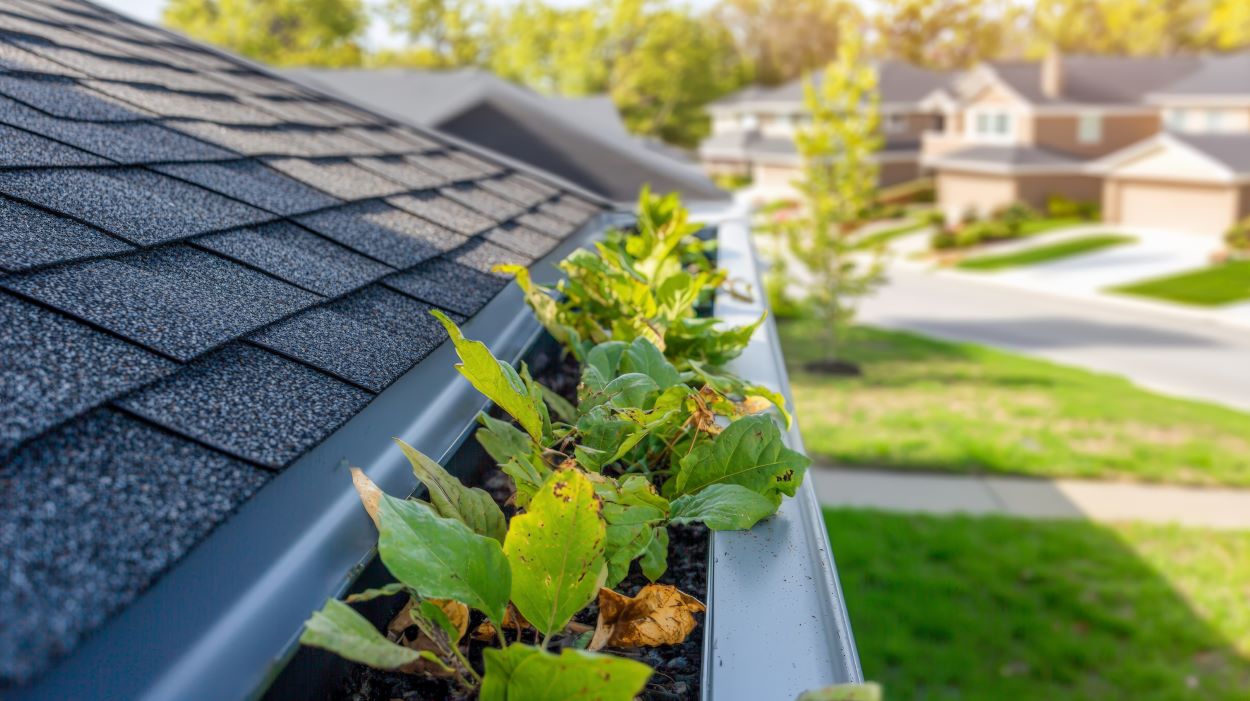
Gutters and downspouts require particular attention during spring. Leaves, debris, and ice buildup often accumulate during winter. When drainage systems become blocked, water can overflow and cause damage to exterior walls, balconies, and foundations.
Regular cleaning and inspection of gutters and downspouts helps protect the building envelope and prevents costly water damage.
Foundation, Masonry, and Exterior Walls
Freeze thaw cycles often create cracks in masonry and concrete structures. As water enters small cracks and freezes, it expands and gradually widens the damaged areas.
Spring inspections should review exterior walls, brickwork, foundation surfaces, and expansion joints. Boards should also verify that sealants and caulking around windows and building penetrations remain intact.
Addressing minor cracks and deteriorating mortar early prevents larger structural issues from developing in the future.

Landscaping and Grounds Management
Landscaping plays an important role in the appearance and overall atmosphere of a condominium community. Spring maintenance helps restore the grounds after winter and prepares the property for the growing season.
Spring Grounds Cleanup
Winter often leaves behind fallen branches, debris, and damaged vegetation across the property. Spring cleanup typically includes removing debris, trimming shrubs and trees, and preparing garden beds for new growth.
Fresh mulch and well maintained greenery improve curb appeal and create a welcoming environment for residents and visitors. Attractive landscaping can also enhance property values and contribute to a stronger sense of community pride.
Inspecting Walkways and Parking Areas
Sidewalks, parking areas, and driveways often suffer damage during winter. Snow removal equipment and ice formation can create cracks, potholes, and uneven surfaces.
Spring inspections should review all hard surfaces across the property, including pedestrian walkways, parking garages, driveways, and accessibility ramps.
Prompt repairs help prevent trip hazards and protect residents and visitors from injury. Addressing these issues early also prevents minor cracks from expanding during future freeze thaw cycles.
HVAC and Ventilation System
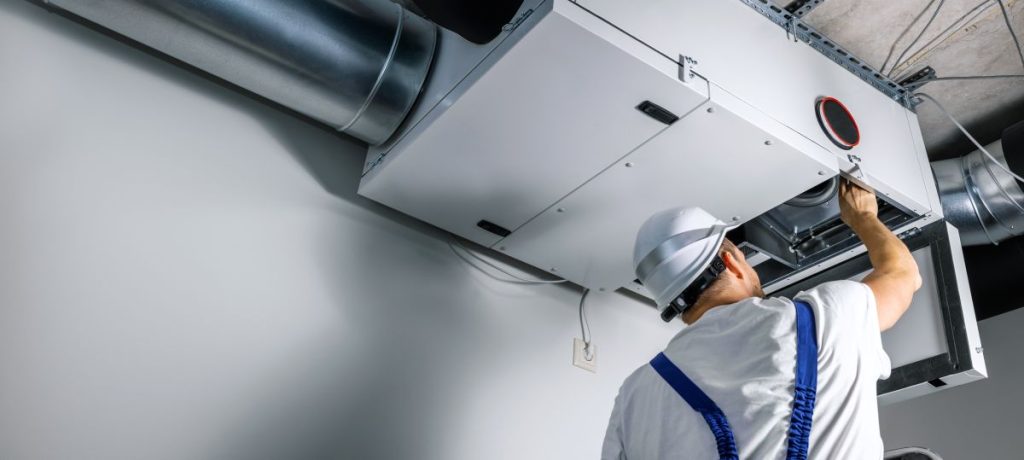
Heating, ventilation, and air conditioning systems play a central role in maintaining comfortable and safe living conditions within a condominium building. These systems operate continuously during the winter months, particularly in Ontario where heating systems must perform reliably throughout long periods of cold weather. As spring arrives and outdoor temperatures begin to rise, condominium boards should ensure that mechanical systems receive proper servicing so they can transition smoothly from heating season to cooling season.
Seasonal maintenance of HVAC systems improves energy efficiency, extends equipment lifespan, and helps prevent unexpected mechanical failures during the summer months when demand for cooling increases significantly. Spring inspections also allow building operators and property managers to identify worn components, airflow issues, and ventilation concerns that may affect indoor comfort or air quality.
Because mechanical systems represent a major capital component within many condominium buildings, regular maintenance also supports long term asset preservation. By ensuring that equipment remains properly serviced and calibrated, condominium boards can help reduce long term operating costs and minimize the likelihood of premature equipment replacement.
Preparing Cooling System for Warmer Weather
Spring provides an ideal opportunity to prepare cooling equipment before the summer season begins. When cooling systems start operating after months of inactivity, mechanical components can experience stress if they have not been inspected or serviced.
Condominium boards should arrange for licensed HVAC technicians to inspect air conditioning systems, rooftop units, and cooling towers where applicable. Technicians typically review condenser coils, fan motors, electrical connections, and refrigerant levels to confirm that the system operates efficiently. Cleaning condenser coils and removing debris from outdoor equipment improves airflow and helps cooling systems operate more effectively.
Technicians may also inspect thermostats and building automation controls to confirm that temperature settings and system schedules remain properly configured. In many buildings, HVAC systems operate through centralized mechanical systems that distribute cooling throughout common areas and sometimes residential units. Ensuring that these systems operate correctly helps maintain consistent indoor temperatures and reduces energy consumption.
Preventative maintenance of cooling equipment can also help condominium corporations avoid service disruptions during the hottest months of the year. Emergency repairs during peak summer demand often cost significantly more and can lead to resident complaints if cooling systems fail during extreme heat.
Dryer Vents and Air Ducts Maintenance
Ventilation systems play an equally important role in maintaining indoor air quality and fire safety within a condominium building. Over time, dryer vents and air ducts accumulate lint, dust, and other debris that restrict airflow and reduce ventilation efficiency.
Lint buildup inside dryer vents can create a significant fire risk if it remains unaddressed. When airflow becomes restricted, dryers must work harder to remove moisture from clothing, which increases heat within the ventilation system. Regular vent cleaning helps prevent overheating and reduces the likelihood of dryer related fires.
Air duct cleaning also contributes to improved indoor air quality. Dust, pollen, and other airborne particles can accumulate inside ductwork over time and circulate throughout the building. Professional cleaning removes these contaminants and improves overall airflow within ventilation systems.
For many condominium buildings, professional contractors perform duct and dryer vent cleaning on a scheduled basis every few years, depending on the building design and ventilation configuration. Boards should work with their property managers to establish an appropriate maintenance schedule that reflects the needs of the building and the recommendations of mechanical professionals.
Regular inspection and cleaning of ventilation systems not only improves air quality but also supports the overall efficiency of the building’s mechanical infrastructure.
Fire Safety and Life Safety Systems
Fire safety remains one of the most important responsibilities for condominium boards and property managers in Ontario. Every condominium corporation must maintain fire protection and life safety systems in accordance with the Ontario Fire Code, which establishes clear requirements for inspections, testing, maintenance, and record keeping.
These systems protect residents, visitors, and building staff by detecting fires early and controlling their spread. Fire alarms, sprinkler systems, smoke detectors, emergency lighting, and fire extinguishers all work together to create a comprehensive life safety network within the building. When these systems operate correctly, they provide residents with valuable time to evacuate and allow emergency responders to address the situation more effectively.
Because many condominium buildings contain shared corridors, underground parking garages, and multiple residential units within the same structure, fire safety planning requires careful attention and regular oversight. Condominium boards must work closely with property managers, fire safety contractors, and local fire departments to ensure the building continues to meet all regulatory requirements.
Spring provides a practical opportunity for boards to review fire safety practices and confirm that all systems remain fully operational following the winter season.
Testing Fire Protection Systems
Fire protection equipment requires regular inspections and testing to ensure that it functions correctly during an emergency. The Ontario Fire Code sets specific inspection intervals for many components of a building’s fire protection system. These inspections may occur monthly, quarterly, or annually depending on the type of equipment involved.
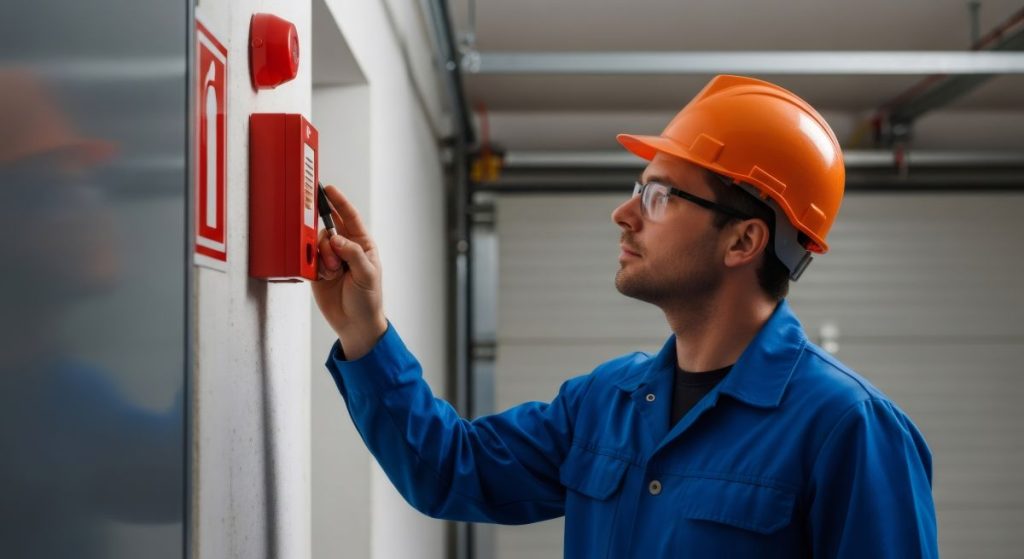
Property managers typically coordinate these inspections with certified fire safety contractors who specialize in testing life safety systems. During these inspections, technicians review fire alarm panels, smoke detectors, sprinkler heads, standpipes, and fire extinguishers to confirm that each component operates correctly. Contractors also verify that emergency lighting systems function properly and that exit signage remains clearly visible throughout the building.
Maintaining accurate records of these inspections is equally important. The Ontario Fire Code requires condominium corporations to document testing and maintenance activities for fire safety systems. These records must remain accessible in case fire officials conduct inspections or investigations. Clear documentation helps demonstrate that the condominium corporation has fulfilled its safety responsibilities.
Keeping fire protection systems in proper working order protects residents and reduces liability risks for the condominium corporation. When boards take a proactive approach to testing and maintenance, they strengthen the overall safety of the community.
Boards should also stay informed about regulatory updates that affect building safety requirements. Recent changes to Ontario’s fire safety regulations highlight the importance of maintaining strong compliance practices. Our article discussing recent Ontario Fire Code changes affecting condominium communities explains how these updates may impact condominium boards and property managers.
Reviewing Emergency Preparedness Plans
While properly functioning fire protection systems form the foundation of building safety, emergency preparedness planning plays an equally important role. Condominium boards should ensure that residents understand how to respond during emergencies and that clear procedures exist for different types of incidents.
Spring offers a convenient opportunity to review emergency procedures with property managers and confirm that emergency contact information remains current. Boards may also take this time to review the building’s fire safety plan and verify that evacuation routes remain clearly identified and accessible.
Emergency preparedness plans should address a variety of situations that could affect the building, including fires, severe weather, power outages, flooding, and elevator failures. The plan should outline communication procedures, evacuation instructions, and the responsibilities of building staff during an emergency.
Clear communication with residents helps ensure that everyone understands how to respond if an emergency occurs. Some condominium corporations distribute annual safety reminders or post emergency instructions in common areas to reinforce these procedures.
By regularly reviewing emergency preparedness plans and maintaining life safety systems, condominium boards help create a safer environment for residents and reduce the risks associated with unexpected emergencies.
Security Systems and Building Access
Security remains an important consideration for every condominium community. Residents expect their building to provide a safe and controlled environment, particularly in larger communities where many people enter and exit the property throughout the day.
Spring maintenance provides an opportunity for condominium boards and property managers to review security infrastructure and ensure that all systems continue operating effectively. Winter weather can damage outdoor equipment, and changes in resident occupancy may require updates to access permissions or security procedures.
Regular reviews of security systems help prevent unauthorized access, improve resident safety, and ensure that building technology functions as intended.
Inspecting Cameras and Access Control Systems
Modern condominium communities rely heavily on security technology to monitor activity and control building access. Surveillance cameras, intercom systems, and key fob access systems all contribute to the overall security framework of the property.
During spring inspections, property managers should verify that surveillance cameras remain operational and that recording systems function correctly. Cameras positioned at entrances, parking garages, elevators, and common areas should provide clear visibility so that building staff can review footage if security concerns arise.
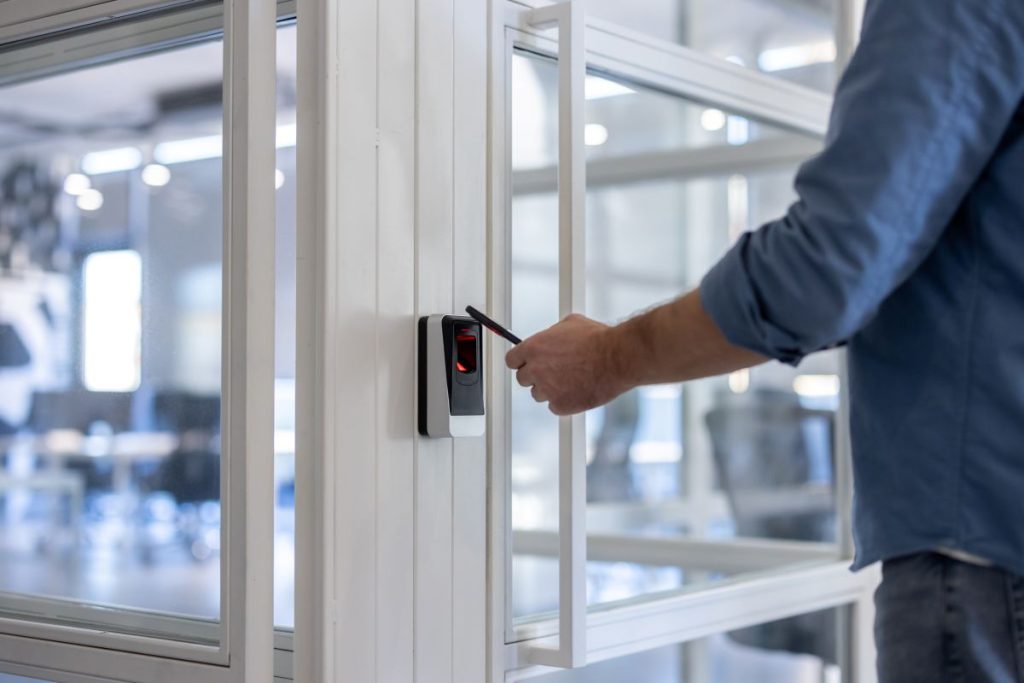
Access control systems also require periodic review. Key fobs or electronic credentials assigned to residents, contractors, and staff must remain up to date. When residents move out or contractors complete their work, property managers should remove their access credentials promptly to prevent unauthorized entry.
Maintaining accurate access records strengthens building security and helps condominium boards respond effectively to potential safety concerns.
Reviewing Exterior Lighting
Exterior lighting plays an important role in building safety. Well lit walkways, entrances, and parking areas improve visibility for residents and discourage unauthorized activity around the property.
Snow and ice can damage light fixtures during winter months, and some bulbs may fail due to temperature fluctuations. Spring inspections should confirm that lighting fixtures remain secure and that bulbs function properly.
Boards should also evaluate whether certain areas of the property require improved lighting coverage. Parking garages, pedestrian pathways, and building entrances benefit greatly from consistent illumination that improves visibility for residents and visitors.
Common Areas and Resident Amenities
Shared amenities represent an important part of condominium living. Fitness centres, lounges, pools, and outdoor gathering spaces provide residents with convenient recreational opportunities while also contributing to the overall appeal of the building.
Because many amenities receive frequent use during winter months, spring maintenance provides an ideal opportunity to review these spaces and ensure they remain clean, safe, and fully operational.
Indoor Amenities
Indoor amenity spaces such as fitness rooms, party rooms, libraries, and lounges should receive a thorough inspection each spring. Property managers may review equipment condition, check ventilation systems, and confirm that furniture remains safe and functional.
Fitness equipment requires particular attention. Treadmills, exercise bikes, and weight machines experience regular use, which can cause wear over time. Boards should ensure that qualified technicians inspect and service equipment periodically to maintain safe operation.
Pool areas and spa facilities also require careful maintenance. Spring inspections may include reviewing water quality systems, cleaning filtration equipment, and ensuring that safety signage remains clearly visible.
Maintaining amenity spaces helps preserve the value of the building while ensuring that residents can enjoy shared facilities safely.
Outdoor Amenities
Outdoor amenities become increasingly popular as warmer weather arrives. Patios, rooftop terraces, barbecue areas, and seating spaces allow residents to spend time outdoors and interact with neighbours.
Spring maintenance should include cleaning outdoor furniture, inspecting railings and safety barriers, and confirming that surfaces remain stable and free of hazards.
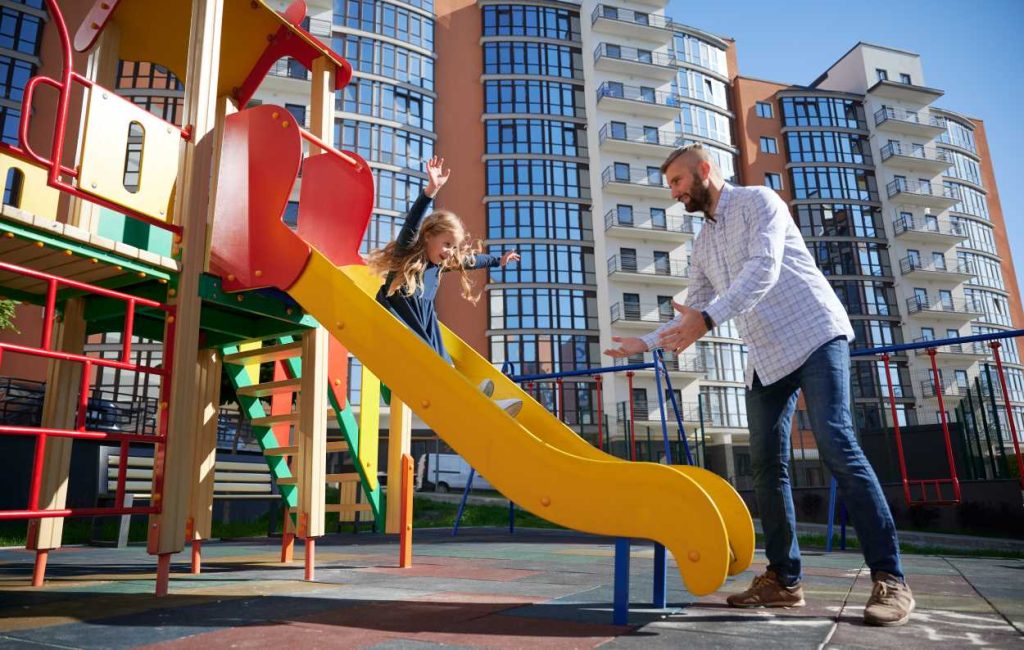
If the condominium community includes playground equipment, boards should also review safety conditions for these areas. Regular inspections help ensure that playground structures remain stable and safe for children.
For boards seeking additional guidance, our resource on condominium playground maintenance and safety planning provides helpful information about managing these common area features.
Flood Prevention and Water Damage Management
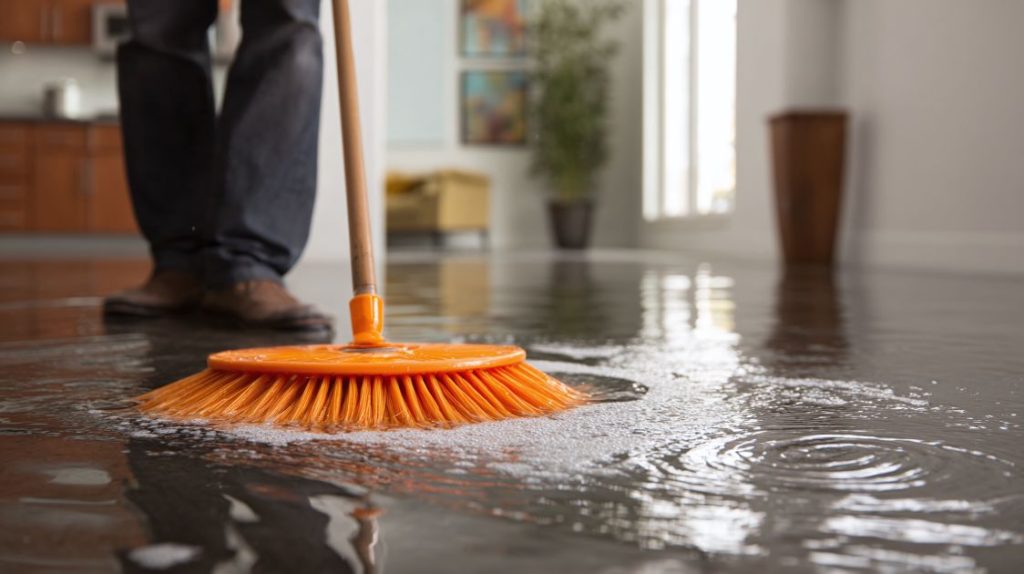
Water damage remains one of the most common and costly maintenance issues within condominium buildings. Heavy rainfall, melting snow, and plumbing failures can all create conditions that lead to flooding or water infiltration.
Spring represents a critical time for reviewing drainage systems and confirming that the building can handle seasonal rainfall effectively.
Drainage Systems and Catch Basins
Drainage infrastructure helps direct water away from the building and prevents water accumulation near foundations. Catch basins, storm drains, and sump pumps all play important roles in managing stormwater across the property.
During spring inspections, property managers should confirm that catch basins remain clear of debris and that sump pumps operate correctly. Snowmelt and debris buildup can block drainage systems and cause water to collect near building entrances or underground parking garages.
Regular cleaning of drainage systems helps reduce flood risks and protects the structural integrity of the building.
Leak Detection and Prevention
In addition to exterior drainage concerns, condominium boards should also review internal plumbing systems for potential leaks. Mechanical rooms, underground parking areas, and utility spaces often contain plumbing infrastructure that requires periodic inspection.
Many condominium communities now install leak detection technology that alerts building staff when water appears in unexpected areas. These systems can detect leaks early and prevent extensive water damage.
Preventative measures such as moisture sensors and automatic water shutoff devices can significantly reduce insurance claims and protect building infrastructure.

Creating a Long Term Maintenance Strategy
While seasonal maintenance plays an important role in building operations, condominium boards should also develop long term strategies that support preventative maintenance and responsible financial planning.
A structured maintenance program helps ensure that building systems remain reliable while minimizing the risk of unexpected repair costs.
The Role of Preventative Maintenance
Preventative maintenance focuses on scheduled inspections and servicing of building components before problems arise. Rather than waiting for equipment to fail, boards implement maintenance schedules that extend the lifespan of major building systems.
For example, regular servicing of HVAC equipment, plumbing infrastructure, and electrical systems helps prevent mechanical failures that could disrupt building operations.
Preventative maintenance also supports the long term goals of the corporation by protecting capital assets and improving the predictability of maintenance costs.
Working with Professional Property Managers
Managing maintenance responsibilities across a condominium community requires coordination, technical expertise, and ongoing oversight. Property managers play a key role in organizing inspections, scheduling contractors, and ensuring that work occurs according to regulatory requirements.
Experienced condominium management professionals also help boards evaluate maintenance priorities, review contractor proposals, and monitor project completion.
Boards that work with knowledgeable property managers often find it easier to maintain organized maintenance schedules and keep detailed records of building repairs.
You can learn more about ICON’s approach by exploring our condominium property management services, which support boards with maintenance planning, contractor coordination, and operational oversight.
Bringing Your Spring Maintenance Plan Together
Spring maintenance plays an important role in protecting the safety, value, and long term stability of a condominium community. When boards take a proactive approach to seasonal inspections, they gain a clearer understanding of the building’s condition and can address maintenance needs before small issues develop into costly repairs.
A structured spring maintenance checklist also helps boards manage their responsibilities under the Condominium Act, 1998 while supporting the long term financial planning of the corporation. Regular inspections of exterior building components, mechanical systems, safety infrastructure, and common areas allow condominium boards to prioritize repairs, maintain accurate records, and make informed decisions about future capital projects.
Many boards work closely with property managers, engineers, and specialized contractors to coordinate these inspections and ensure that maintenance tasks occur at appropriate intervals throughout the year. This collaborative approach helps condominium corporations maintain safe and well maintained communities while protecting the long term interests of unit owners.
By approaching spring maintenance thoughtfully and consistently, condominium boards can strengthen the overall health of the building and create a more comfortable living environment for residents.
For boards seeking additional guidance, experienced condominium management professionals can help coordinate inspections, organize maintenance schedules, and ensure that building operations remain aligned with regulatory requirements and industry best practices.