

As winter fades and temperatures begin to rise in Toronto, condominium communities shift their focus toward preparing outdoor amenities for the busy spring and summer seasons. Rooftop terraces, BBQ areas, landscaped courtyards, and outdoor pools quickly become some of the most valued features within a condominium. These shared spaces offer residents opportunities to relax, socialize, and enjoy the warmer months.
However, preparing these amenities requires far more than a simple seasonal cleanup. Boards must plan carefully, coordinate multiple vendors, comply with regulatory requirements, and ensure that all spaces remain safe and functional. A structured approach to condo amenity preparation not only improves the resident experience but also protects the corporation’s assets and reduces long-term maintenance costs.
This comprehensive guide outlines how condominium boards can effectively prepare outdoor amenities for patio season while maintaining compliance, improving efficiency, and supporting long-term planning.
Why Condo Amenity Preparation Matters
Outdoor amenities play a central role in how residents experience condominium living. In a dense urban environment like Toronto, many residents rely on shared outdoor spaces as an extension of their homes. When these areas remain clean, safe, and well-maintained, they significantly enhance overall satisfaction and contribute to a stronger sense of community.
Proper preparation also reduces risk. Winter conditions can damage surfaces, weaken structures, and create hidden hazards. Without thorough inspections and maintenance, these issues can lead to safety concerns, liability exposure, and costly repairs.
From a financial perspective, proactive maintenance helps extend the lifespan of shared assets. Boards that invest in seasonal preparation often avoid larger capital expenditures later. This approach aligns with responsible governance and supports long-term financial stability.
Conduct a Spring Safety Walkthrough
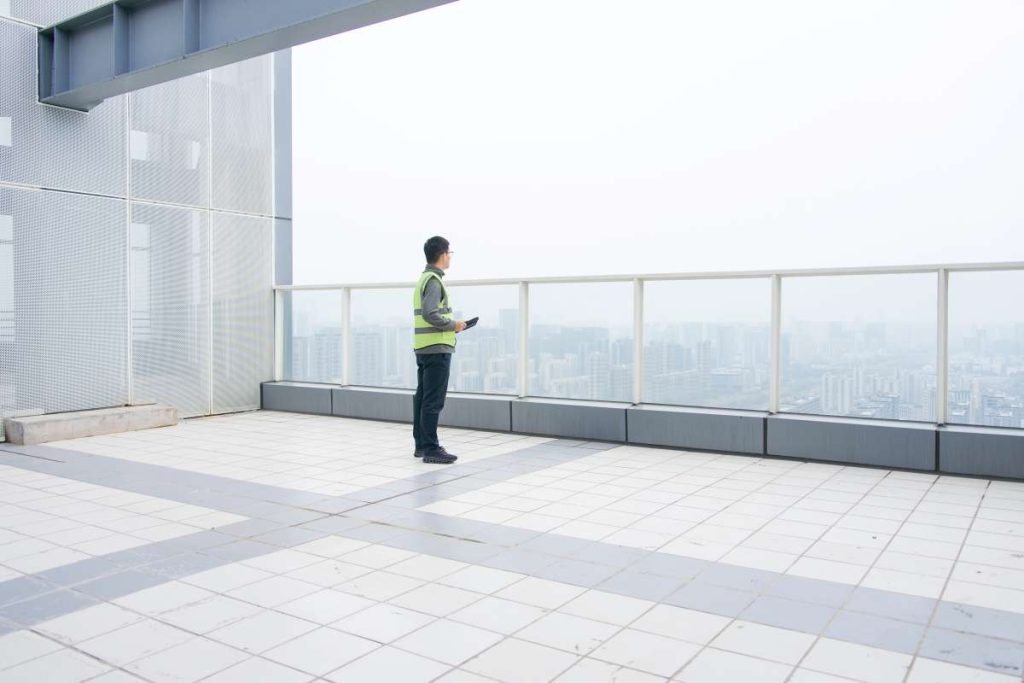
A detailed safety walkthrough should always serve as the first step in seasonal amenity preparation. This process allows boards and property managers to identify potential hazards, prioritize repairs, and establish a clear plan for opening timelines. In a climate like Toronto, where winter conditions place significant stress on building materials, many issues may not be immediately visible but can quickly become safety concerns once amenities reopen.
Inspecting Walking Surfaces for Winter Damage
Teams should begin by carefully inspecting all walking surfaces, including concrete pathways, interlocking pavers, and wood or composite decking. Freeze-thaw cycles often cause shifting, cracking, and uneven surfaces that increase the risk of trips and falls. Even minor movement in these materials can create liability concerns if left unaddressed. Boards should ensure that any irregularities are repaired promptly to maintain safe and accessible pathways throughout the property.
Reviewing Structural Elements and Guardrails
In addition to walking surfaces, boards must assess structural elements such as guardrails, barriers, and perimeter enclosures. These components must remain secure and compliant with the Ontario Building Code. Exposure to moisture and fluctuating temperatures can weaken fasteners, cause corrosion, and compromise overall stability. Addressing these issues early helps prevent more serious structural concerns and ensures that amenities meet required safety standards before residents begin using them.
Evaluating Furniture, Lighting, and Drainage Systems
Outdoor furniture, lighting systems, and drainage infrastructure also require thorough evaluation. Furniture should be tested for stability and inspected for signs of rust, material fatigue, or loose connections. Lighting plays an important role in resident safety, particularly in the evening hours, so teams should confirm that all fixtures function properly and provide adequate coverage. Drainage systems must remain clear and fully operational to prevent water accumulation, which can damage surfaces and create slip hazards.
Testing BBQ Stations and Gas Equipment
Boards should also pay close attention to BBQ stations and any gas-powered equipment. Qualified professionals should inspect gas lines, ignition systems, and connections to confirm safe operation. Faulty equipment can present serious safety risks, particularly in shared spaces where usage increases significantly during the warmer months. Ensuring that all systems operate properly before opening helps protect both residents and the corporation.
Setting the Foundation for a Safe Amenity Season
By taking a thorough and methodical approach to spring safety inspections, boards can identify risks early, address maintenance needs proactively, and create a safer environment for residents. This foundational step sets the tone for the entire amenity season and supports a smooth, well-managed transition into patio season.

Understanding Regulatory Compliance for Condo Amenities
Condominium boards in Ontario must navigate a range of regulatory requirements when managing common elements, including outdoor amenities. These obligations extend beyond routine maintenance and include building safety standards, fire prevention requirements, and public health regulations. Boards must treat compliance as an ongoing responsibility rather than a one-time review, particularly when preparing high-use spaces for seasonal reopening.
Aligning with Legislative and Regulatory Requirements
Boards should regularly review guidance provided by the Condominium Authority of Ontario to ensure they meet their obligations under the Condominium Act. This includes maintaining common elements in a safe condition, keeping accurate records, and ensuring that operational decisions align with the corporation’s governing documents.
In addition to provincial legislation, boards must consider municipal bylaws and industry-specific regulations that apply to outdoor amenities. These requirements often vary depending on the type of amenity, its usage, and the level of risk involved. Taking a proactive approach allows boards to identify gaps early and implement corrective measures before issues arise.
Reducing Risk Through Proactive Compliance
Failure to comply with applicable regulations can expose the corporation to significant liability, including fines, insurance complications, and potential legal disputes. More importantly, non-compliance can create safety risks for residents and visitors. Boards that prioritize compliance not only protect the corporation but also reinforce trust and confidence within the community.
A structured compliance strategy should include regular inspections, clear documentation, and coordination with qualified professionals. This approach ensures that amenities remain safe, functional, and aligned with all regulatory expectations throughout the season.
Preparing Outdoor Pools for Safe Operation
Outdoor pools require one of the most structured and regulated preparation processes within a condominium. Unlike other amenities, pools involve a higher level of risk and therefore require strict adherence to public health standards, technical inspections, and detailed operational planning. In Toronto, pool operations fall under the oversight of Toronto Public Health, which enforces stringent safety and water quality requirements.
Planning Ahead for Pool Opening
Boards should begin the pool preparation process early in the spring to secure contractors and establish a clear opening timeline. Pool service providers experience high demand during this period, and delays in scheduling can push opening dates well into the warmer months. Early coordination allows boards to align inspections, maintenance, and compliance requirements without disruption.
Inspecting Equipment and Mechanical Systems
All mechanical systems must undergo a thorough inspection before opening. This includes pumps, filters, circulation systems, and heating equipment. Gas heaters, in particular, must meet inspection requirements set by the Technical Standards and Safety Authority. Ensuring that these systems operate properly helps prevent breakdowns during peak usage and supports safe, consistent operation.
Managing Water Quality and Safety Standards
Water quality management plays a critical role in pool operation. Teams must complete chemical balancing, shock treatments, and filtration processes before allowing resident access. Maintaining proper water conditions helps prevent health risks and ensures compliance with public health standards.
Boards must also confirm that pool enclosures meet municipal bylaws. Gates should self-close and self-latch, and fencing must meet required height and safety specifications. These measures help prevent unauthorized access and reduce risk.
Ensuring Safety Equipment and Staff Readiness
Clear signage must remain visible at all times, including notices such as “No lifeguard on duty” where applicable. Lifesaving equipment should be accessible, functional, and regularly inspected. If the building requires lifeguards, boards should secure staffing well in advance to avoid shortages during peak summer periods.
Taking a structured and proactive approach to pool preparation ensures compliance, supports resident safety, and allows boards to open this high-demand amenity with confidence.
Deep Cleaning and Surface Restoration
Winter conditions in Toronto leave behind more than just visible debris. Snow, ice, road salt, and organic matter accumulate over several months and often settle into porous surfaces such as concrete, stone, and wood. As temperatures rise, this buildup can create both safety hazards and long-term material deterioration if not properly addressed. A thorough deep cleaning process is essential before reopening any outdoor amenity, as it restores the space, improves safety conditions, and extends the lifespan of common elements.
Power Washing and Surface Preparation
Power washing should serve as the foundation of any spring cleaning plan. Walkways, patios, pool decks, and rooftop terraces often retain layers of dirt, salt residue, and algae that standard cleaning methods cannot remove effectively. High-pressure cleaning eliminates these contaminants, reducing slip risks while also preventing premature wear of surfaces. Boards should ensure that contractors use appropriate pressure levels for each material to avoid surface damage, particularly on wood decking or older concrete finishes. In high-traffic areas, additional treatments such as joint re-sanding between pavers or sealing may be required to maintain structural integrity.
Inspecting and Restoring Outdoor Furniture
Outdoor furniture also requires careful attention. Items left exposed during winter months often develop rust, corrosion, or weakened structural joints due to prolonged moisture exposure. Each piece should be inspected, cleaned, and tested for stability before being returned to service. Cushions and fabric elements frequently absorb moisture, which can lead to mold growth and unpleasant odours. In many cases, replacement is more cost-effective than attempting to restore heavily damaged materials. Boards should also consider investing in commercial-grade, weather-resistant furniture to reduce ongoing maintenance requirements.
Cleaning Waste and Recycling Areas
Garbage and recycling enclosures are another critical but often overlooked component of spring cleaning. These areas tend to accumulate residue, odours, and organic waste that attract pests such as rodents and insects. A deep sanitization process should include power washing bins, disinfecting surrounding surfaces, and inspecting for signs of pest activity. Addressing these issues early helps prevent infestations and supports overall building hygiene standards.
Addressing Mold and Mildew Growth
Mold and mildew remediation should be treated as a priority during the cleaning process. Shaded or damp areas, particularly under furniture or along building walls, create ideal conditions for fungal growth. If left untreated, mold can spread quickly and damage surfaces while also raising potential health concerns for residents. Professional cleaning solutions or specialized treatments may be required for severe cases, especially on wood or composite materials where spores can penetrate below the surface.
Identifying Early Signs of Deterioration
In addition to cleaning, boards should view this stage as an opportunity to assess surface conditions and identify early signs of deterioration. Discoloration, minor cracking, or material wear may indicate the need for repairs or preventative maintenance. Addressing these issues during the spring preparation phase allows boards to avoid more extensive and costly repairs later in the season. A well-executed deep cleaning and restoration plan not only improves the immediate appearance of outdoor amenities but also reinforces a proactive approach to asset management and long-term property preservation.

Landscaping and Seasonal Enhancements
Spring preparation gives boards an opportunity to elevate both the appearance and functionality of outdoor spaces. After months of harsh winter conditions in Toronto, landscaped areas often look worn, compacted, and visually unappealing. A well-planned landscaping strategy can transform these areas into vibrant, welcoming environments that residents actively use throughout the warmer months.
Boards should begin by working closely with landscaping contractors to assess soil quality, plant health, and irrigation performance. Winter frost often damages root systems and compacts soil, which restricts healthy growth. Contractors can aerate soil, add nutrients, and rebuild garden beds to support strong plant development. Boards should select plant species that thrive in Toronto’s climate, with a focus on drought-resistant and low-maintenance options that reduce long-term upkeep.
Teams should prune trees and shrubs early in the season to control overgrowth and maintain clear sightlines. Overgrown landscaping can block walkways, reduce visibility, and create safety concerns for residents. Proper trimming supports healthy growth while improving accessibility across the property.
Boards can also refresh planters, rooftop gardens, and decorative features to enhance curb appeal. Replacing dead plants, repainting worn containers, and adding seasonal colour creates a noticeable visual improvement. These updates strengthen resident perception and reinforce a sense of care and professionalism throughout the community.
Fire Code Compliance for Outdoor Amenities
Outdoor amenities such as BBQ stations, fire tables, and patio heaters add value to a condominium, but they also introduce fire safety risks that boards must manage carefully. The Ontario Fire Code sets clear requirements that boards must follow to protect residents and reduce liability. You can learn more about recent changes to the Ontario Fire Code by review our recent blog post on these changes.
Boards must confirm that all BBQ equipment carries proper certification and sits in approved locations. Units should remain positioned at a safe distance from walls, railings, and other combustible materials. Improper placement increases fire risk, especially in dense urban environments.
Teams must enforce proper propane storage and handling practices. Boards should communicate clear rules to residents and address any unauthorized storage immediately. Propane tanks stored incorrectly can create serious safety hazards.
Maintenance staff should keep fire extinguishers visible, accessible, and fully operational. Regular inspections ensure that equipment functions properly in an emergency. When boards plan to introduce new features such as fire tables or patio heaters, they should consult their insurance provider and qualified professionals to confirm compliance and coverage.
A proactive approach to fire safety protects residents while reducing the risk of regulatory issues and insurance complications.

Improving Communication with Residents
Clear and consistent communication drives successful amenity management. During patio season, residents rely on accurate information to understand when amenities open, how they can use them, and what rules apply. When boards communicate effectively, they reduce confusion and prevent unnecessary complaints.
Digital platforms such as ICON Connect allow boards to centralize communication and deliver real-time updates. Boards should use these tools to announce opening dates, outline usage guidelines, and notify residents of maintenance or temporary closures.
Strong communication requires clarity and consistency. Boards should provide detailed instructions that leave little room for interpretation. For example, instead of simply stating that amenities are open, they should specify hours of operation, booking procedures, and any restrictions.
Transparency builds trust. When boards share updates proactively and explain decisions clearly, they demonstrate accountability and professionalism. This approach fosters a cooperative environment and improves overall resident satisfaction.
Establishing Clear Amenity Booking Policies
Shared amenities require clear structure to function effectively. Without defined booking policies, residents may compete for access, which can lead to confusion and conflict. Boards can prevent these issues by creating transparent and consistent guidelines.
Boards should define how far in advance residents can reserve amenities and how long each booking can last. They should also set guest limits to prevent overcrowding and maintain a comfortable environment for all users. Quiet hours and usage expectations should align with the corporation’s governing documents to ensure consistency.
Clear cancellation policies help manage availability and prevent misuse of booking systems. Residents should understand how to cancel reservations and what happens if they fail to show up. Boards should also outline expectations for cleaning and restoring the space after use to maintain quality standards.
Posting these policies both online and within amenity areas reinforces compliance. When residents understand the rules and view them as fair, they are more likely to follow them.

Creating a Seasonal Maintenance Calendar
A structured maintenance calendar helps boards stay organized and proactive throughout the year. Instead of reacting to problems, boards can plan ahead and complete tasks at the right time.
In the spring, boards should focus on inspections, cleaning, and contractor coordination. This phase sets the foundation for a smooth opening and ensures that all safety and compliance requirements are met.
During the summer, teams should monitor amenities regularly and address wear and tear as it occurs. Routine inspections help identify small issues before they develop into larger problems. Pool systems require consistent testing, and landscaping requires regular maintenance to remain visually appealing.
In the fall, boards should begin preparing amenities for closure. Teams should winterize pool systems, store or protect furniture, and document any repairs needed for the following year. A clear maintenance calendar ensures consistency and reduces the risk of missed tasks.
Conducting Mid Season Reviews
Mid-season reviews allow boards to evaluate how amenities perform under regular use. These reviews help identify issues early and maintain quality standards throughout the season.
Boards should inspect furniture for signs of wear, including loose components or fading materials. They should also review signage to ensure it remains visible and relevant.
Pool operations require ongoing monitoring. Teams should test water quality regularly and confirm that all equipment functions properly. Maintaining these standards helps ensure compliance with health regulations and keeps residents safe.
Boards should also gather feedback from residents. Understanding how residents use amenities and where they encounter challenges allows boards to make informed improvements.
End of Season Planning and Asset Protection
Boards must approach the end of patio season with the same level of planning and attention they apply during spring preparation. A well-structured shutdown process protects shared assets from harsh winter conditions and helps prevent avoidable damage that can lead to costly repairs in the following year. In a climate like Toronto, where freezing temperatures, snow accumulation, and moisture exposure can significantly impact materials, proper winterization plays a critical role in long-term asset preservation.
Assessing and Protecting Outdoor Furniture
Teams should begin the closure process by assessing the condition of all outdoor furniture and equipment. Staff should clean each item thoroughly before storage to remove dirt, moisture, and organic debris that can cause deterioration over time. Whenever possible, teams should move furniture into indoor storage areas to fully protect it from the elements.
If indoor storage is not available, boards should invest in high-quality, weather-resistant covers that provide a secure barrier against snow, ice, and wind. Loose or improperly fitted covers often fail during winter storms, so teams should ensure that all protective materials remain tightly secured. Taking the time to properly clean and store furniture helps preserve its condition and reduces replacement costs in future seasons.
Pool Winterization and System Protection
Pool winterization requires careful coordination and technical expertise. Contractors should lower water levels, drain and clear all lines, and add appropriate winterizing chemicals to prevent algae growth and surface damage. Teams must also shut down pumps, filters, and heating systems according to manufacturer specifications to avoid internal damage caused by freezing temperatures.
Improper pool closure can result in cracked pipes, damaged filtration systems, and costly structural repairs. Professional oversight during this stage helps ensure that all systems are properly secured and ready to withstand winter conditions.
Inspecting Surfaces and Preventing Freeze-Thaw Damage
Pool winterization requires careful coordination and technical expertise. Contractors should lower water levels, drain and clear all lines, and add appropriate winterizing chemicals to prevent algae growth and surface damage. Teams must also shut down pumps, filters, and heating systems according to manufacturer specifications to avoid internal damage caused by freezing temperatures.
Improper pool closure can result in cracked pipes, damaged filtration systems, and costly structural repairs. Professional oversight during this stage helps ensure that all systems are properly secured and ready to withstand winter conditions.
Documenting Maintenance Needs and Planning Ahead
Documentation plays an equally important role in end-of-season planning. Boards should record all observed damage, maintenance concerns, and recommended repairs in a centralized system. This documentation supports accurate budgeting, informs reserve fund planning, and allows boards to prioritize work for the upcoming spring. Detailed records also help property managers coordinate with contractors more efficiently and avoid delays when scheduling seasonal work. Strong documentation practices ensure continuity and support better decision-making year over year.
Setting the Foundation for the Next Season
By taking a proactive and organized approach to amenity closure, boards can extend the lifespan of outdoor assets, reduce long-term maintenance costs, and ensure a smoother transition into the next patio season. Thoughtful planning at the end of the season sets the stage for a more efficient and successful reopening in the spring.

Using Amenities to Build Community Engagement
Outdoor amenities play a far greater role than simply providing functional space for residents. These areas act as natural gathering points where people can connect, interact, and build relationships within their community. When boards take a thoughtful and intentional approach to managing these spaces, they can significantly strengthen the overall sense of community within the building. In a dense urban environment like Toronto, where many residents may not have access to private outdoor space, well-maintained shared amenities become even more valuable as social and recreational hubs.
Creating Opportunities for Resident Interaction
Boards can actively use these spaces to create opportunities for meaningful resident interaction. Organized events such as seasonal barbecues, summer kickoff gatherings, or informal meet-and-greet evenings encourage residents to spend time together in a relaxed setting. These events do not need to be large or complex to be effective. Even small, well-organized gatherings can help break down barriers between neighbours and create a more welcoming atmosphere. When residents recognize familiar faces and feel comfortable in shared spaces, they are more likely to engage positively with one another and contribute to a respectful living environment.
Encouraging Ongoing Participation and Feedback
Beyond formal events, boards can encourage ongoing engagement by creating consistent touchpoints for communication and participation. For example, boards can use resident communication platforms to share updates about amenity improvements, highlight seasonal enhancements, or gather feedback on how spaces are being used. Simple initiatives such as quick polls or short surveys allow residents to voice their preferences and feel included in decision-making processes. When residents see that their feedback influences changes, they develop a stronger sense of ownership and connection to their community.
Designing Amenities to Support Social Interaction
Boards should also consider how the design and functionality of amenities influence social interaction. Thoughtful layout choices, such as arranging seating areas to encourage conversation or creating designated zones for different activities, can naturally bring residents together. Adding small enhancements such as communal tables, shade structures, or ambient lighting can make spaces more inviting and increase usage throughout the day and evening. When amenities feel comfortable and accessible, residents are more likely to spend time in these areas and engage with others.
Reinforcing Engagement Through Visibility and Communication
Consistent communication and visible management presence also play an important role in fostering engagement. When boards and management teams demonstrate that they actively maintain and monitor these spaces, residents develop greater confidence in how the community operates. This visibility reinforces expectations around respectful use and encourages residents to take pride in maintaining shared areas.
Building a Stronger Community Culture
Over time, these efforts contribute to a stronger community culture. Residents who feel connected to their neighbours and their environment are more likely to respect amenity rules, report issues promptly, and treat shared spaces with care. This collective sense of responsibility reduces misuse, supports long-term maintenance efforts, and enhances the overall living experience within the condominium.

Common Mistakes Condo Boards Should Avoid
Many condominium boards face similar challenges when preparing outdoor amenities for the season. While most boards act with the best intentions, small oversights can quickly lead to operational delays, resident dissatisfaction, and unnecessary costs. By identifying these common mistakes early, boards can take a more proactive approach and ensure a smoother, more successful amenity season in Toronto.
Delaying Contractor Scheduling
One of the most common and costly mistakes involves waiting too long to book contractors. Spring represents the busiest season for vendors such as pool technicians, landscapers, and maintenance providers. When boards delay scheduling, they often face limited availability, higher costs, and delayed opening timelines.
Early planning allows boards to secure preferred vendors, confirm timelines, and coordinate multiple services efficiently. For example, pool opening, landscaping, and pressure washing often need to occur in sequence. Without proper scheduling, delays in one area can impact the entire preparation process. Boards that plan ahead not only avoid these disruptions but also position themselves to negotiate better service agreements and maintain control over project timelines.
Overlooking Governing Documents and Compliance Requirements
Some boards move forward with operational changes or amenity updates without reviewing their governing documents. This oversight can create compliance issues, particularly when new rules conflict with the corporation’s declaration, bylaws, or existing policies.
Boards should always verify that any updates to amenity usage, booking procedures, or restrictions align with their legal framework. They should also ensure compliance with applicable regulations, including the Ontario Building Code and the Ontario Fire Code where relevant. Failing to follow these requirements can expose the corporation to liability and create disputes with residents.
Taking the time to review governing documents and consult with legal or management professionals ensures that all decisions remain consistent, enforceable, and aligned with regulatory obligations.
Inconsistent or Unclear Communication
Communication gaps often create avoidable frustration among residents. When boards fail to provide clear and timely updates, residents may feel confused about amenity availability, booking procedures, or usage rules. This confusion can lead to increased complaints, repeated inquiries, and unnecessary tension within the community.
Boards should communicate consistently across all available platforms, including email notices, resident portals, and onsite signage. Messages should clearly outline opening dates, hours of operation, booking instructions, and any restrictions. Providing detailed, easy-to-understand information reduces ambiguity and helps residents navigate shared spaces more confidently.
Strong communication also involves setting expectations early. When residents understand the rules and rationale behind them, they are more likely to comply and contribute to a positive environment.
Taking a Reactive Approach to Maintenance
Another common mistake involves addressing maintenance issues only after they become visible or urgent. This reactive approach often results in higher repair costs, operational disruptions, and avoidable safety risks.
Preventative maintenance provides a more effective strategy. Boards should implement regular inspections, address minor issues promptly, and schedule routine servicing for key systems such as pools, lighting, and drainage. Small repairs completed early can prevent larger structural problems and extend the lifespan of common elements.
For example, a minor crack in a walkway may seem insignificant in the spring but can expand significantly during freeze-thaw cycles if left unaddressed. By taking a proactive approach, boards can control costs, reduce risk, and maintain a higher standard of care across all amenities.
Underestimating Resident Usage and Wear
Some boards underestimate how heavily residents will use outdoor amenities once the season begins. High-traffic areas such as rooftop terraces and BBQ spaces can experience rapid wear, particularly during peak summer months.
Boards should plan for this increased usage by selecting durable materials, scheduling mid-season inspections, and allocating budget for ongoing maintenance. They should also monitor how residents use these spaces and adjust policies or layouts as needed to support both functionality and longevity.
Recognizing usage patterns early allows boards to respond effectively and maintain a positive resident experience throughout the season.
Failing to Document and Plan for Future Seasons
A lack of documentation can create challenges when planning for future seasons. Without clear records of maintenance issues, repairs, and contractor performance, boards may struggle to make informed decisions or accurately forecast costs.
Boards should document all observations, completed work, and recommended improvements in a centralized system. This information supports reserve fund planning, improves contractor coordination, and ensures continuity from year to year.
Strong documentation practices also help boards identify trends, such as recurring maintenance issues or areas that require long-term investment. This insight allows for more strategic planning and better resource allocation over time.

Aligning Amenity Preparation with Long-Term Planning
Boards should view condo amenity preparation as more than a seasonal task. It should form part of a broader financial and asset management strategy that supports the long-term health of the corporation. Outdoor amenities such as pools, rooftop terraces, walkways, and landscaping represent significant shared assets. Their condition directly impacts both operating costs and reserve fund obligations. When boards connect seasonal maintenance decisions to long-term planning, they position the corporation to operate more efficiently and avoid financial strain.
Understanding the Financial Impact of Amenity Maintenance
Outdoor amenities require ongoing investment to remain safe, functional, and visually appealing. Routine maintenance, repairs, and eventual replacement all carry financial implications. Boards that fail to plan for these costs often face unexpected expenses that place pressure on operating budgets or lead to special assessments.
By taking a proactive approach, boards can better anticipate costs and allocate funds appropriately. For example, regular maintenance of decking, waterproofing systems, or pool equipment can significantly extend their useful life. This reduces the frequency of large capital expenditures and helps maintain more predictable financial planning.
Well-maintained amenities also contribute to property value. Residents and prospective buyers often view outdoor spaces as a key feature of condominium living, particularly in urban markets like Toronto. Investing in upkeep not only protects the asset but also supports marketability and long-term value.
Leveraging Reserve Fund Studies for Strategic Planning
Reserve fund studies provide a critical framework for managing the lifecycle of common elements. These studies outline expected repair and replacement timelines, along with associated costs, allowing boards to plan ahead with greater accuracy.
Boards should align seasonal maintenance activities with the projections outlined in their reserve fund study. For example, if a study identifies that a rooftop membrane or pool system will require replacement within a specific timeframe, boards can adjust their maintenance strategy to preserve those assets until the planned replacement occurs. This alignment prevents premature deterioration and avoids unnecessary spending.
Regular updates to the reserve fund study also help boards respond to changing conditions. As amenities age or usage patterns shift, updated projections ensure that financial plans remain accurate and relevant. Integrating these insights into annual budgeting and seasonal preparation strengthens overall financial control.
Integrating Preventative Maintenance into Budget Planning
Preventative maintenance should play a central role in both operating budgets and long-term planning. Rather than reacting to failures, boards should schedule routine inspections, servicing, and minor repairs throughout the year.
This approach allows boards to distribute costs more evenly and avoid large, unexpected expenses. For instance, addressing minor drainage issues or sealing small cracks early can prevent major structural damage caused by freeze-thaw cycles. Preventative work often requires a smaller upfront investment but delivers significant long-term savings.
Boards should also track maintenance history to identify recurring issues or high-cost areas. This data supports more accurate budgeting and helps prioritize future investments.
Ensuring Compliance with Regulatory and Governance Requirements
Financial planning must also align with regulatory obligations and governance standards. Boards should review guidance from the Condominium Authority of Ontario to ensure they meet requirements related to maintenance, record-keeping, and financial transparency.
Proper documentation of maintenance activities, inspections, and expenditures supports compliance and provides a clear audit trail. This level of organization becomes particularly important during audits or when responding to owner inquiries.
Boards should also ensure that all financial decisions related to amenity maintenance align with the corporation’s governing documents. Clear alignment between policy, planning, and execution reduces the risk of disputes and reinforces strong governance practices.
Supporting Long-Term Sustainability and Operational Efficiency
A well-aligned approach to amenity preparation supports both sustainability and operational efficiency. Boards that plan proactively can reduce waste, extend asset lifespans, and minimize environmental impact. For example, selecting durable materials, implementing efficient irrigation systems, or upgrading to energy-efficient pool equipment can lower long-term operating costs.
Operational efficiency also improves when boards coordinate maintenance, budgeting, and contractor scheduling. A clear plan reduces last-minute decisions, improves vendor relationships, and allows for better cost control.
Over time, these practices create a more stable and predictable financial environment for the corporation. Residents benefit from consistent service levels, fewer unexpected costs, and well-maintained amenities that enhance their overall living experience.
Final Thoughts
Preparing condominium amenities for patio season requires thoughtful planning, coordination, and a clear understanding of regulatory and operational responsibilities. In a city like Toronto, where outdoor spaces play an important role in daily living, boards must take a proactive approach by completing thorough inspections, coordinating vendors early, and ensuring compliance with building, fire, and public health requirements before opening amenities. Addressing maintenance needs at the outset helps reduce safety risks, prevent mid-season disruptions, and create a smooth transition into a period of high resident use.
Well-maintained amenities also play a meaningful role in shaping the overall resident experience and supporting long-term financial stability. Clean, functional, and clearly managed spaces encourage regular use, reduce complaints, and contribute to a stronger sense of community within the building. When boards align seasonal preparation with preventative maintenance strategies and reserve fund planning, they can extend the lifespan of shared assets, minimize unexpected repair costs, and maintain a consistent standard of care. Over time, this structured approach helps position the community as well-managed, responsive, and prepared for the demands of each new season.