
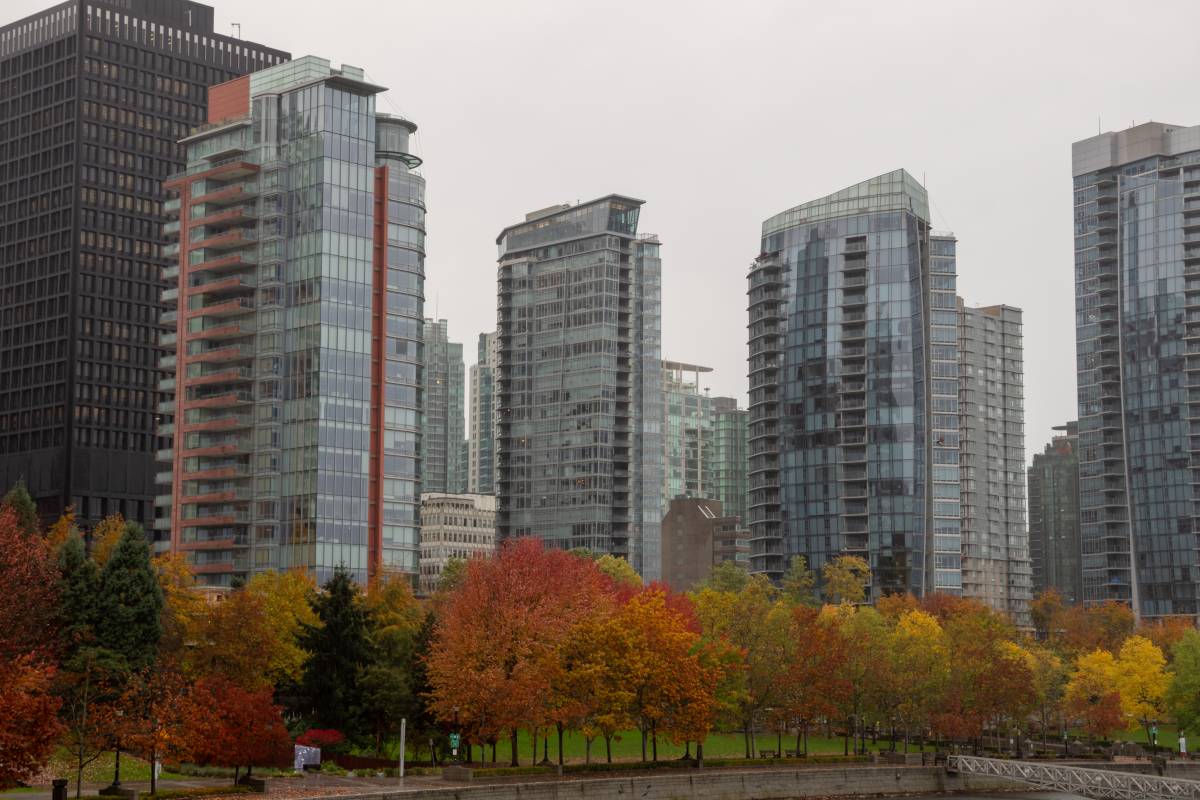
Fall in Ontario comes with colourful trees, earlier sunsets and the annual search for the ice scraper. For condominium boards, it also brings a less photogenic tradition: making sure the building can handle what comes next. Boilers rarely make the autumn highlight reel, but residents certainly notice when they stop working.
A useful fall maintenance plan connects building inspections, contractor schedules, resident communication and financial decisions. The goal is not to promise a winter without surprises. It is to address foreseeable problems while the corporation still has time to choose its response.
High-rise communities need particular attention because shared systems serve many households. A heating problem, garage closure or water leak can affect much more than one owner’s afternoon. This guide explains how Ontario condo boards can approach winter preparation without turning directors into amateur engineers. Think of it as a boardroom-to-boiler-room conversation, with the technical work firmly in qualified hands.

Start with a Plan that Fits Your Building
Before approving another seasonal checklist, ask whether it reflects your property. A tower with rooftop amenities, multiple parking levels and shared mechanical equipment needs a different approach from a smaller building. Start with last winter’s service calls, outstanding inspection findings and current maintenance contracts. Those records provide a more useful agenda than memory alone.
Clarify Responsibilities Before Assigning Work
Review the corporation’s declaration alongside the applicable legislation before assigning responsibility for windows, balconies, fan coils or other components. The Condominium Authority of Ontario (CAO) explains in its guidance on condominium repair and maintenance responsibilities why boards must consider both the law and their governing documents. Do not assume that a component belongs to an owner simply because it sits inside a suite.
Agree on the working arrangement: the board sets priorities and approves decisions within its authority; management coordinates the program; qualified contractors assess and service equipment. Where another corporation shares a garage, driveway or heating plant, check the shared facilities agreement and confirm who arranges the work. An unresolved responsibility should trigger a question, not an assumption.
Consider a recurring icy patch near a shared entrance. Before adding another service call, establish who controls the drainage, who clears the walkway and who monitors conditions between visits. Each party may have completed its own task while the underlying problem remains. The board should seek a coordinated response, rather than three separate assurances that everything looks fine.
Turn Observations into Assigned Actions
Request a coordinated walk-through with management and relevant building personnel. Ask the team to record each concern, its location, the recommended next step, the responsible person and a target date. Photographs can help directors understand a problem without climbing onto a roof or entering a restricted area.
Separate urgent safety concerns from work that can wait for professional assessment or a future project. Bring seasonal tasks into the broader calendar rather than starting again each autumn. ICON’s guide to building an annual condominium plan offers a useful framework for connecting maintenance, contracts, budgets and board decisions throughout the year.
Get Heating Systems Ready Before the Cold Settles In
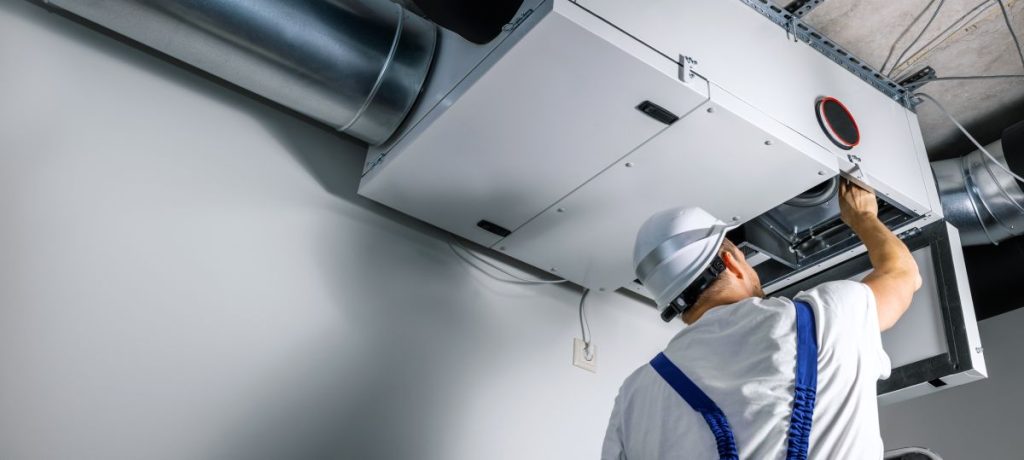
The question is not simply whether someone has turned on the heat. Ask whether the heating system has received its scheduled service, whether the contractor identified deficiencies and whether the team has resolved them. A completed appointment and a winter-ready system are not automatically the same thing.
Ask for Findings, Not Just a Service Date
Have the mechanical contractor explain the condition of the equipment serving your building, including relevant boilers, pumps, controls and ventilation components. Request a concise report that distinguishes completed work from recommendations. Ask which items need immediate attention and which require monitoring, pricing or longer-term planning.
An article from the Association of Condominium Managers of Ontario (ACMO) on preventative maintenance for condominium mechanical systems explains how inspections, servicing and performance monitoring can reveal developing problems. Boards do not need to interpret every technical reading. They do need a clear answer to a practical question: what remains unresolved before the building relies heavily on this equipment?
Confirm after-hours support and discuss contingency arrangements for essential equipment. Ask whether replacement parts require advance ordering. Avoid treating a technician’s verbal reassurance as the entire record; request written findings that management can track and future directors can understand.
Make the Heating Changeover Understandable
Ask the contractor to explain how your building moves from cooling to heating and what limitations residents should expect. Base the plan on the actual system, weather conditions, applicable local heating requirements and professional advice. A date copied from last year’s notice should not replace that review.
Tell residents when work will occur, whether it affects service and how to report comfort concerns. Ask management to collect useful details, such as suite location, room temperature and the time of the problem. That information gives the contractor a better starting point than a growing inbox of messages saying, “It is cold again.”
Review patterns rather than treating every complaint as an isolated event. Several reports from the same area warrant a coordinated investigation. Have management track the response and confirm whether residents experience an improvement. Closing a service ticket should reflect the outcome, not merely the fact that a contractor attended.
Keep Water Moving and the Weather Outside
Leaves look lovely on the trees. They are less charming in a drain. Make roof condition, drainage and previous leak locations part of the fall review. Request professional advice on the building envelope, which includes the roof, exterior walls, windows and other components separating indoor spaces from outdoor conditions.
Follow the Water from Roof to Ground
Ask the appropriate contractors to inspect and clear relevant roof drains, catch basins and drainage routes. Request photographs of deficiencies and completed work where practical. Include terraces and landscaped areas over occupied spaces or parking structures, rather than limiting attention to the main roof.
Review earlier reports of leaks, staining and persistent dampness. A freshly painted ceiling does not establish that someone corrected the cause. Ask what investigation occurred, what repair followed and how the team will check its effectiveness. Route recurring or unexplained problems to a qualified building-envelope professional instead of repeatedly approving cosmetic repairs.
Arrange professional winterization of irrigation, exterior taps and seasonal water features where applicable. Ask contractors to identify any weather-sensitive repairs and their latest practical completion dates. ICON’s overview of condominium building operations and maintenance coordination provides context for organizing inspections, maintenance programs and contractor follow-up.
Set a follow-up inspection date where conditions justify another look. For example, a drain cleared before surrounding trees shed their leaves may need a later check. Agree on the timing with the contractor and record it in the maintenance calendar. “Completed in September” should not end the conversation when a new concern appears in November.
Give Balconies, Windows and Doors Their Own Review
Ask management to gather reports of window leaks, damaged seals and doors that do not close properly. Have qualified personnel assess the appropriate response. Residents should not attempt exterior caulking, façade repairs or work at height, and directors should not treat a visual walk-through as a substitute for technical assessment.
Prepare a balcony reminder that follows the corporation’s governing documents. Explain permitted storage, securing loose items and reporting drainage concerns. Give owners a clear process for requesting help. Avoid vague directions to “winterize everything,” which leave residents guessing about both the task and their responsibility.
Give the Underground Garage Some Above-Ground Attention
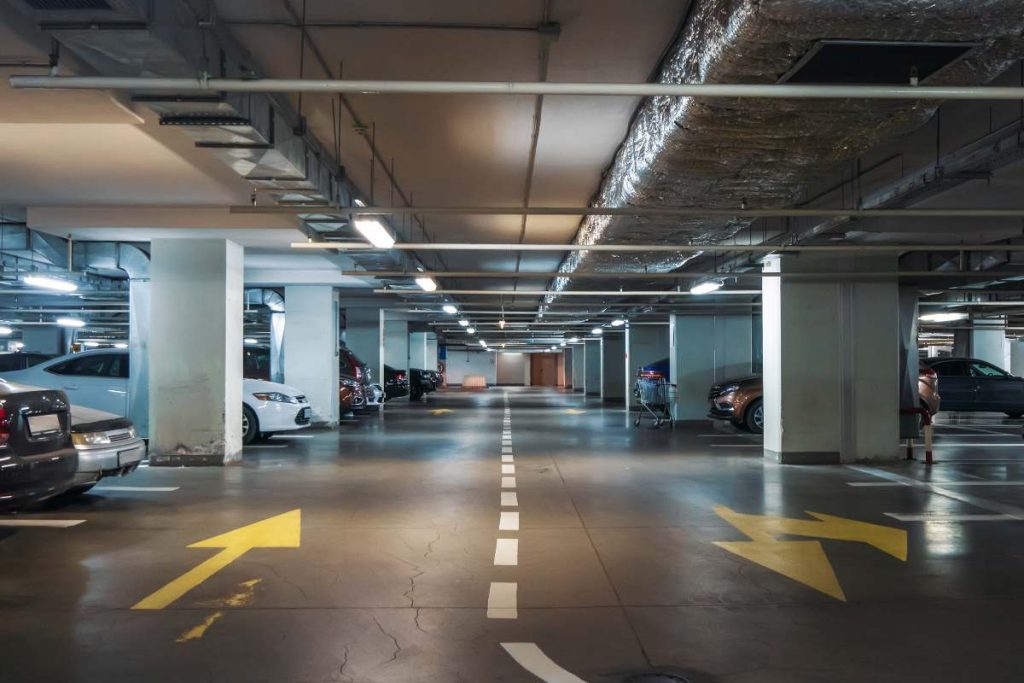
A parking garage may sit out of sight, but it should not sit outside the maintenance discussion. Include the entrance, exit, ramps, drainage routes and areas beneath suspended slabs in the fall review. Ask the team to consider how residents will enter and leave safely during both routine winter conditions and an equipment problem.
Look Beyond Puddles and Parking Complaints
The Canadian Condominium Institute’s guidance on preparing condominium garage ramps for winter explains how waterproofing, drainage and maintenance help protect these structures. Salt-laden water can contribute to deterioration when it reaches vulnerable concrete and reinforcing steel. Persistent leaks and damaged protective surfaces deserve attention beyond a bucket or a warning cone.
Request professional assessment of recurring leakage, rust staining, loose concrete or damaged coatings. Ask the consultant to distinguish immediate safety measures from repair planning. Building personnel should secure affected areas as appropriate and contact qualified specialists, not improvise structural repairs.
Test Equipment and Plan for Disruption
Where the property has ramp heating, arrange a qualified technician’s review before snowfall. Include the controls and sensors, not merely confirmation that the system has power. Check relevant drainage equipment and obtain written findings on any deficiencies.
Ask management to coordinate garage-door servicing and review the response to a failed door or inaccessible ramp. Who receives the alert? Who can arrange emergency service? How will residents learn about temporary access changes? A short scenario discussion can expose a gap that an equipment checklist misses. Make sure the plan covers accessibility and emergency access, not just the morning vehicle queue.
Make Snow and Ice Management Specific
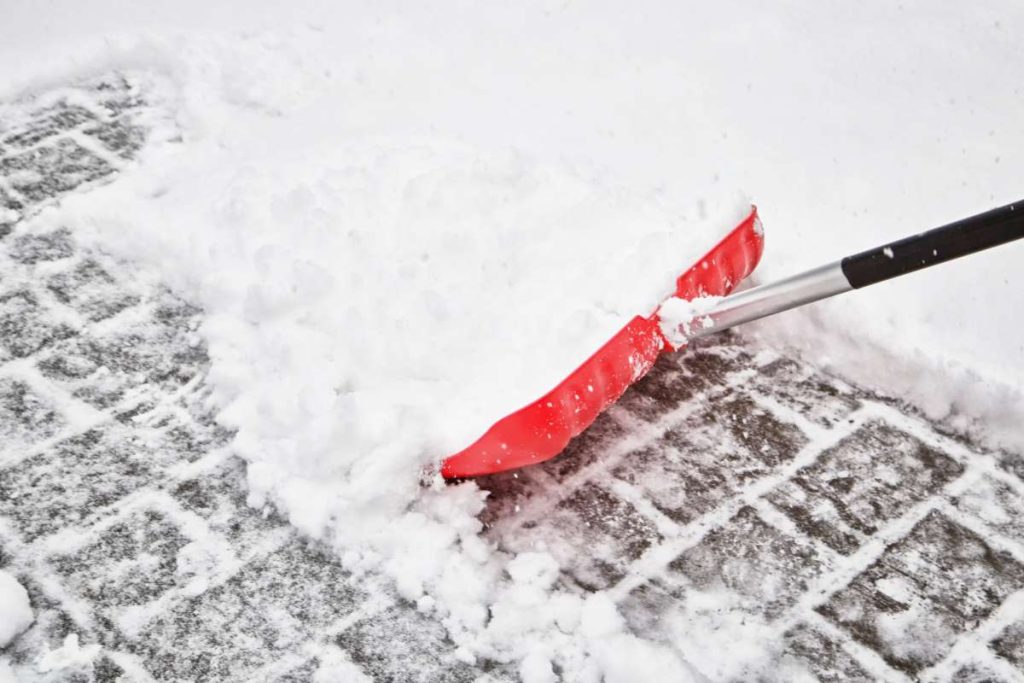
“Snow removal included” sounds reassuring until people disagree about what it means. Before winter, review the contract with management and walk the site with the contractor. Treat the discussion as a practical rehearsal: identify the routes people use, the areas that cause difficulty and the handoffs between contractor visits and building staff.
Define the Work Before the First Storm
Confirm the service period, snowfall triggers, response expectations, treatment of icy conditions and arrangements for return visits. Discuss freezing rain, drifting snow and changing conditions after an initial clearing. Clarify who monitors the property between visits and how that person requests additional service.
Use a site plan to identify entrances, accessible routes, stairs, loading areas, waste collection points and emergency access. Agree on snow storage locations and when removal from the property may become necessary. Ask management to confirm applicable municipal requirements rather than relying on a neighbouring corporation’s arrangements.
Review insurance documentation, pricing for additional work and the process for authorizing extra service. Have the corporation’s insurance adviser or legal counsel review material coverage or contract questions. A low seasonal price tells the board little without a clear understanding of the work it purchases.
Discuss de-icing methods and material selection with the contractor and relevant building professionals. Seek an approach appropriate for the surfaces, conditions and nearby landscaping. Ask the contractor to explain application practices and storage arrangements. The objective is effective treatment, not a competition to see who can spread the most product.
Include Monitoring, Records and the Lobby
Ask for practical inspection and service records that capture conditions, timing, actions and follow-up. Define how staff report an untreated area and how management confirms a response. Use those records to review performance, not simply to fill a folder.
Include entrance matting, wet-floor inspections, lighting and supplies in the winter plan. Review changes in level along pedestrian routes and address identified hazards through appropriate personnel. Keep accessible entrances in the main maintenance discussion rather than treating them as an afterthought. The resident using a walker needs a dependable route just as much as the driver needs a clear ramp.

Prepare Residents and Staff, Not Just Equipment
A well-maintained building still needs people who know what to expect and whom to contact. Plan seasonal communication before the first service disruption. Aim for useful information that residents can act on, rather than a long notice that reads like the minutes of three board meetings.
Write Notices People Will Actually Use
Explain heating work, seasonal amenity closures, parking restrictions and any owner responsibilities that require action. Give dates, locations and contact information. Where the corporation needs suite access, have management follow the applicable notice and access requirements and explain how residents should prepare.
Use specific instructions instead of “please cooperate.” For example, explain which parking spaces must remain available for snow storage and when the restriction begins. Invite residents to report leaks, malfunctioning exterior doors and unsafe conditions through the designated channels. State clearly which issues require an immediate telephone call rather than a routine online request.
Coordinate email, posted notices and other suitable channels so important information reaches more than the most active portal users. ICON’s overview of condominium communication and resident engagement describes several ways communities can share updates and manage requests. Include tenants and other occupants in the communication plan, not only owners who live on site.
Rehearse a Winter Disruption
The CAO’s emergency planning guidance for condominium boards encourages corporations to assess their vulnerabilities, develop and test plans, communicate them and review their effectiveness. Apply that approach to a realistic winter scenario, such as a power failure during an evening storm.
Confirm what emergency power actually supports in your building rather than assuming that a generator keeps every elevator, pump and suite operating. Ask qualified service providers to explain the system’s capabilities and confirm its maintenance status. Check emergency contact details, staff responsibilities and communication methods that do not depend entirely on the resident portal.
Discuss accessibility needs respectfully and use a confidential process for any information residents voluntarily provide. Coordinate emergency arrangements with the building’s fire safety plan and professional advice. Staff should know when to contact emergency services and when to activate contractor support. An improvised group chat should not become the emergency plan.
Include relief staff and after-hours personnel in the rehearsal. Check that they can find the contact list and obtain authorized access to relevant information. A plan that depends entirely on one superintendent remembering every detail needs a backup. Confirm who takes over when the usual contact is unavailable.

Connect Winter Readiness to the Budget and Management Report
Seasonal maintenance decisions should appear in the financial discussion, not arrive as an unrelated stack of invoices. Ask management to connect the work program with available operating funds, approved projects and upcoming commitments. The board needs to understand both the task and how the corporation will pay for it.
Keep Operating Costs and Reserve Fund Work Separate
Routine servicing and snow clearing generally belong in the operating budget. Major repairs or replacements require a separate assessment of the work and the appropriate funding source. The CAO’s explanation of how condominium reserve funds work confirms that these funds support major repairs and replacements of common elements and assets. They are not a general-purpose account for seasonal budget overruns.
Review uncertain classifications with the corporation’s accountant, reserve fund study provider or legal adviser as appropriate. Share significant inspection findings with the study provider when they may affect future projects. A component’s condition should inform planning rather than disappear from view after a temporary repair.
For the operating budget, review current contract terms, recent spending and known extra charges. Consider scenarios such as additional snow hauling or an unplanned service call. ICON’s guide to condominium budget planning in Ontario offers further context for bringing maintenance priorities and financial forecasts together.
Review energy consumption alongside utility costs. Ask management and the mechanical contractor to investigate unexpected changes, considering weather, rates and operational differences before drawing conclusions. Encourage recommendations with a clear scope and a way to measure results. Avoid approving changes to ventilation or other essential systems simply to chase a lower bill.
Ask for Evidence of Readiness
Request a short winter-readiness update at regular board meetings. It should distinguish completed work, scheduled appointments, unresolved deficiencies and decisions that need board approval. Ask for the relevant service reports, photographs or contractor recommendations behind important conclusions.
For example, “ramp heating reviewed” leaves room for interpretation. A stronger update confirms the inspection date, identifies any problem, records the repair status and names the person responsible for follow-up. The difference is not paperwork for its own sake. It is whether the board knows what still needs attention.
After the first significant winter event, revisit the plan. Ask what worked, where residents experienced difficulty and whether the contractor or staff need different instructions. Save those lessons for the next annual planning cycle. The best time to record a recurring problem is while everyone still remembers the details.
A Calmer Winter Starts with a Productive Fall
Preparing a high-rise condominium for an Ontario winter does not require the board to predict every storm or diagnose every mechanical fault. It requires a clear process: understand the building, clarify responsibilities, obtain qualified advice, approve necessary work and confirm follow-through.
Start with the issues that could affect safety, essential services or significant property damage. Then connect the remaining tasks to contractor schedules, resident notices and realistic financial plans. Keep asking what remains unresolved, who owns the next step and what evidence will confirm completion.
A strong fall maintenance program gives residents more than a tidy entrance and a reassuring notice. It gives the community a more deliberate approach to the season ahead. The forecast will still have the occasional surprise. Your board’s preparation does not have to. Ideally, the most spirited winter debate in the lobby will concern holiday decorations, not whether anyone booked the heating contractor.