
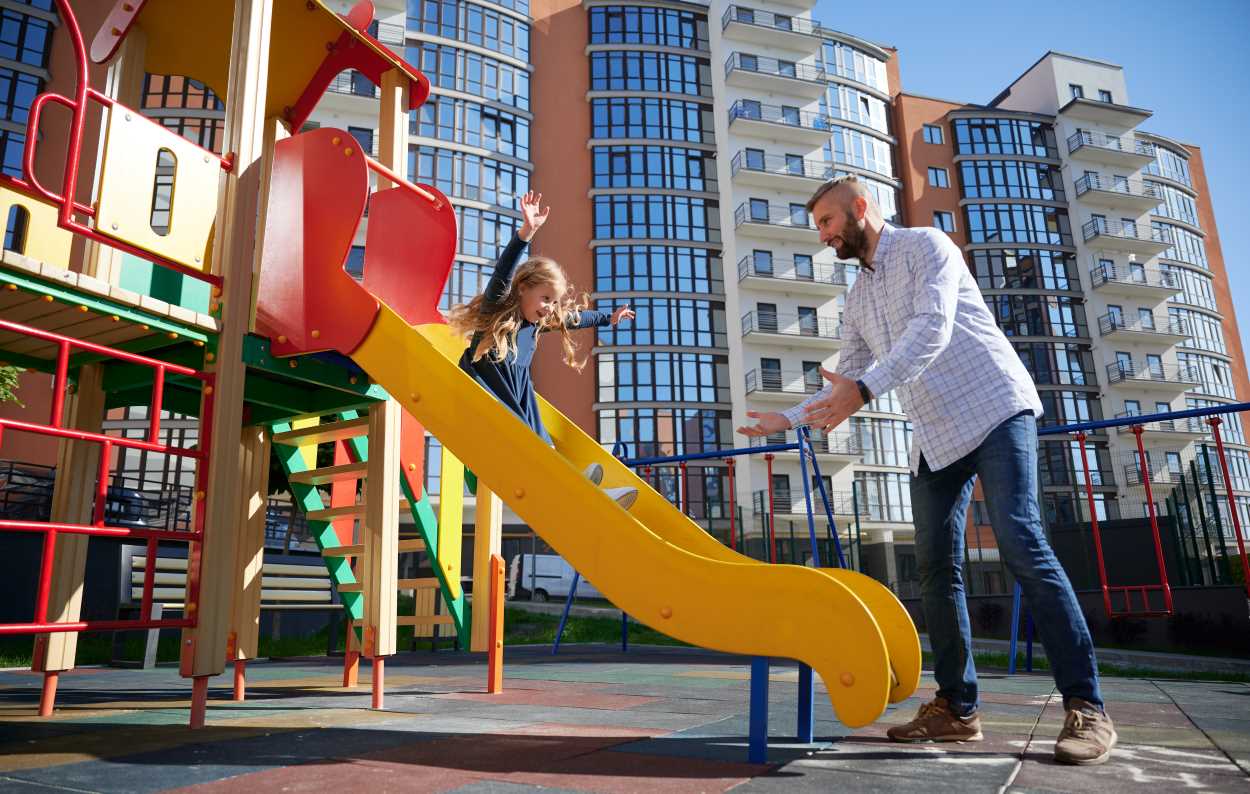
Playgrounds are often one of the most valued amenities in a condominium community. For families with young children, they provide a place to play, socialize, and enjoy the outdoors close to home. For condominium boards, however, playgrounds require ongoing oversight and responsible management.
Condo playground maintenance involves much more than occasional repairs or adding fresh mulch. Boards must ensure the play space remains safe, compliant with industry standards, and properly maintained as part of the corporation’s common elements.
When boards take a proactive approach to playground maintenance, they protect residents, reduce liability risk, and preserve the long-term value of the condominium community.
This guide explains everything condominium boards in Ontario should know about maintaining playgrounds, including inspections, safety standards, budgeting, accessibility considerations, and long-term planning.
Why Condo Playground Maintenance Matters
Playgrounds are a common feature in many townhouse and family-oriented condominium communities across Ontario. While these spaces bring tremendous value to residents, they also introduce responsibility for the condominium corporation. Regular condo playground maintenance supports safety, legal compliance, and long-term asset protection.
Improving Resident Safety
Safety should always remain the primary concern when maintaining a playground. Children naturally climb, jump, swing, and run while playing. Even well-designed equipment can become hazardous if the board neglects maintenance. Loose hardware, worn swing chains, cracked plastic components, and deteriorated surfacing can all increase the risk of injury. Routine inspections allow boards and property managers to identify hazards early and correct them before someone gets hurt.
Reducing Legal Liability for the Condominium Corporation
Under Ontario’s Condominium Act, 1998, condominium corporations must maintain common elements in a reasonable state of repair. If a child becomes injured due to neglected equipment or unsafe conditions, the corporation could face liability claims. Courts often examine whether the corporation followed a reasonable maintenance program. Documented inspections, regular repairs, and professional safety audits demonstrate that the board fulfilled its responsibilities.
Protecting Property Values
Amenities such as playgrounds contribute to the appeal of family-friendly communities. Well maintained outdoor spaces create a positive impression for prospective buyers and tenants. Neglected equipment or unsafe conditions can have the opposite effect. A deteriorating playground may signal to buyers that the corporation struggles with maintenance planning. Boards that invest in responsible upkeep help protect property values across the entire community.
Supporting Community Engagement
Playgrounds often act as natural gathering places where residents can connect while children play. These shared spaces help strengthen the sense of community within the condominium. When boards invest in improving outdoor amenities, they often pair playground maintenance with broader landscaping upgrades. Reviewing creative condo landscaping ideas for improving curb appeal can help boards plan outdoor improvements that benefit the entire community.

Understanding Playground Safety Standards in Canada
Many condominium board members assume playground maintenance simply involves checking whether equipment appears intact or replacing worn materials when they become visibly damaged. In reality, playground safety is governed by detailed engineering principles and safety guidelines designed to reduce the risk of injury during play. Understanding these principles allows boards to make more informed decisions about inspections, repairs, and long-term upgrades.
In Canada, the most widely recognized safety framework for playgrounds is CSA Z614: Children’s Play Spaces and Equipment, developed by the Canadian Standards Association. This standard outlines best practices for the design, installation, inspection, and maintenance of playground equipment. While the standard itself is not legislation, it is widely recognized by safety inspectors, playground manufacturers, insurance providers, and courts as the benchmark for responsible playground management. If an incident occurs on a condominium playground, investigators often assess whether the equipment and surrounding environment align with CSA safety recommendations.
For condominium boards, understanding the principles behind CSA Z614 helps ensure that the playground remains safe for children while also demonstrating that the corporation has taken reasonable steps to reduce potential liability. Boards do not need to memorize the entire technical standard, but they should ensure that professional playground inspections reference CSA guidelines and that any recommended repairs or upgrades address the issues identified during those inspections.
Equipment Stability and Structural Integrity
Playground structures must withstand constant movement and dynamic loads created by children climbing, swinging, jumping, and sliding. Unlike static building components, playground equipment experiences continuous motion that places stress on connections, anchors, and structural supports. Over time, this repeated stress can cause hardware to loosen or structural components to shift slightly.
During inspections, boards or property managers should look carefully at how the equipment behaves during use. Platforms should remain level and stable when weight is applied. Ladder rungs should feel secure and show no signs of bending or detachment. Swing frames should remain firmly anchored in the ground without noticeable movement when the swings are in motion. Even small shifts in equipment can indicate that hardware has loosened or that anchors have weakened.
Professional playground inspectors often test structural integrity by applying force to key load bearing components to confirm that the equipment remains stable. If movement is detected, repairs should be scheduled promptly. Addressing structural issues early prevents more serious damage and reduces the likelihood that equipment will fail while children are using it.
Safety Zones and Equipment Spacing
Another important element of playground safety involves ensuring that adequate space exists between pieces of equipment. Children naturally run between play structures, and many forms of equipment create movement patterns that extend beyond the immediate structure itself. For example, swings move through a wide arc as children pump their legs, while slides require a clear landing area where children exit the structure.
CSA playground guidelines establish recommended safety zones around different types of equipment to prevent collisions. These zones allow children to move safely without striking nearby structures or other users. If equipment is installed too close together, the likelihood of collisions increases significantly, particularly in busy playgrounds where multiple children use the space at the same time.
Condominium boards should pay close attention to spacing requirements when installing new playground equipment or redesigning an existing play area. Even if equipment originally met safety guidelines when installed, modifications to the surrounding landscape or the addition of new play features may unintentionally reduce the available safety zone. Maintaining proper spacing ensures the playground remains safe even during periods of heavy use.
Building an Effective Condo Playground Maintenance Program
A successful condo playground maintenance program relies on consistency rather than occasional repairs. Playgrounds experience gradual wear that can go unnoticed until damage becomes obvious. By that point, the problem may already pose a safety risk or require costly repairs. Establishing a structured maintenance program allows boards to detect issues early and address them before they escalate.
An effective maintenance program combines routine visual inspections, preventative maintenance, and periodic professional safety audits. Each of these activities plays a different role in maintaining the playground’s condition. Routine inspections identify visible issues that require attention, preventative maintenance addresses minor wear before it becomes severe, and professional inspections provide technical assessments that identify risks not easily visible during regular walkthroughs.
Boards should also ensure that maintenance activities are documented carefully. Written inspection records demonstrate that the corporation has taken reasonable steps to monitor the condition of the playground and respond to safety concerns. These records can be particularly valuable if liability questions arise following an incident.
Creating a Maintenance Schedule
Consistency is one of the most important elements of playground maintenance. Without a defined schedule, inspections may occur irregularly or only after problems become obvious. A written maintenance schedule helps ensure that inspections take place throughout the year and that key tasks receive attention at appropriate intervals.
Many condominium communities perform routine visual inspections on a monthly basis during the warmer months when playgrounds receive the most use. These inspections focus on identifying visible safety concerns such as loose bolts, damaged components, or hazards in the surrounding environment. Maintenance staff or property managers often perform these inspections during regular site visits.
In addition to monthly walkthrough inspections, boards should consider scheduling periodic preventative maintenance reviews. These reviews may include tightening hardware, redistributing surfacing materials, or addressing minor wear that could develop into larger problems. Professional playground inspections should also occur periodically to ensure the equipment continues to meet recognized safety standards.
Establishing a predictable inspection schedule helps boards maintain consistent oversight of playground conditions and reduces the likelihood that important issues will go unnoticed.
Developing an Inspection Checklist
Inspection checklists play an important role in maintaining consistency during playground inspections. Without a checklist, inspectors may focus on obvious issues while overlooking smaller details that could become safety concerns over time. A well designed checklist helps ensure that each inspection evaluates the same components and conditions.
During an inspection, the reviewer should examine the overall structure of the playground equipment, including posts, ladders, platforms, guardrails, and connection points. Swing sets require special attention because their moving components experience significant wear. Chains, connectors, and swing seats should be inspected for signs of deterioration or stretching.
Inspectors should also examine the surrounding surfacing material carefully. Impact absorbing surfaces must maintain adequate depth and even distribution to protect children from falls. Areas beneath swings and slides often require additional attention because the repeated motion of children’s feet tends to displace loose surfacing materials.
Maintaining a written inspection checklist allows property managers and maintenance staff to record observations and note any corrective actions taken. Over time, these records provide a useful history of the playground’s condition and can help boards identify recurring maintenance issues that may indicate the need for equipment replacement.
Maintaining Playground Equipment
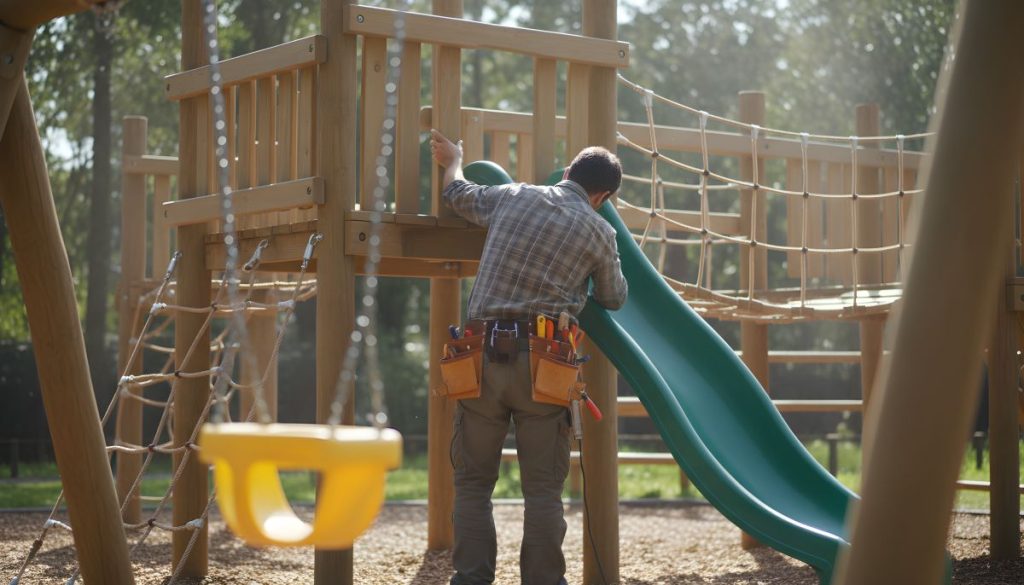
Playground equipment must withstand both heavy use and continuous exposure to outdoor weather conditions. Sunlight, moisture, freezing temperatures, and seasonal temperature changes can all accelerate the deterioration of materials. Preventative maintenance allows boards to extend the lifespan of playground equipment while maintaining a safe environment for children.
Regular maintenance activities often involve tightening hardware, repairing damaged components, and addressing signs of corrosion. These tasks may appear minor individually, but they collectively play an important role in preserving the structural integrity of the equipment.
Boards should work with maintenance staff or qualified contractors who understand the unique requirements of playground equipment. While general maintenance personnel may be capable of performing routine repairs, specialized playground contractors may be required for more complex structural work.
Addressing Weather Damage
Ontario’s climate creates unique challenges for outdoor playground equipment. During winter, snow and ice accumulate on structures while freezing temperatures cause materials to contract. When spring arrives, repeated freeze thaw cycles may cause metal components to expand and contract, gradually loosening fasteners or creating small fractures in plastic materials.
Salt used for nearby walkways and roads may also accelerate corrosion on metal equipment. Over time, this corrosion can weaken structural components if left unaddressed. Spring inspections should therefore pay close attention to signs of rust or corrosion that developed during the winter months.
Promptly addressing weather related damage helps prevent more extensive deterioration later in the year. Small cracks or surface rust can often be repaired easily when detected early. If ignored, however, these issues may eventually require major repairs or equipment replacement.
Replacing Worn Components
Even with consistent maintenance, certain playground components will eventually wear out. Plastic slides and climbing panels may become brittle after years of exposure to sunlight. Swing chains can stretch or weaken from repeated use. Rubber grips and protective coatings may gradually deteriorate.
Replacing worn components promptly helps maintain safety and prevents minor issues from escalating into larger hazards. When replacement parts become difficult to obtain, the board may need to evaluate whether the equipment has reached the end of its useful life.
Manufacturers often provide expected lifespan estimates for playground equipment, which typically range from fifteen to twenty years depending on the materials used and the intensity of use. Boards should consider these timelines when planning long term capital improvements.
Playground Surfacing and Fall Protection
One of the most important components of any playground safety strategy is the condition of the surfacing material beneath and around the equipment. Falls represent the most common cause of playground injuries. When children climb structures, balance on elevated platforms, or swing through the air, there is always the possibility that they may lose their grip or footing. Impact absorbing surfaces help reduce the severity of those falls by cushioning the landing area and dispersing the force of impact.
In condominium playgrounds, surfacing materials must remain properly maintained in order to provide this protection. Over time, foot traffic, weather conditions, and natural compaction can reduce the effectiveness of the surface. If the material becomes too thin or uneven, the protective qualities diminish significantly. For this reason, boards should treat playground surfacing with the same level of attention they give to the equipment itself.
CSA Z614 provides guidance on appropriate surfacing materials and recommended depths for different types of playground equipment. These recommendations consider the potential fall height of each structure and the amount of cushioning required to absorb impact. Boards should ensure that playground inspections include careful measurement of surfacing depth, particularly in high use areas where material tends to shift or compress.
Maintaining Loose Fill Surfaces
Loose fill materials such as engineered wood fibre, sand, or pea gravel are commonly used in condominium playgrounds because they provide effective impact protection and are relatively affordable to install. However, these materials require ongoing maintenance to remain effective. As children run through the playground, kick their feet beneath swings, and climb on equipment, loose materials gradually shift away from high traffic areas. Wind and rain can also move the material out of place.
Over time, this movement can create areas where the surfacing depth falls below recommended safety levels. The area beneath swings often becomes the most heavily compacted section of the playground, while the landing zone at the base of slides can also lose material quickly. If these areas are not replenished regularly, the underlying ground surface may become exposed.
Maintenance teams should periodically redistribute loose fill materials and add new material when necessary to maintain consistent depth across the entire play area. Inspections should pay particular attention to high traffic areas and slopes where material may accumulate unevenly. Maintaining proper surfacing depth significantly reduces the severity of falls and helps preserve the safety of the playground.
Maintaining Rubber Playground Surfaces
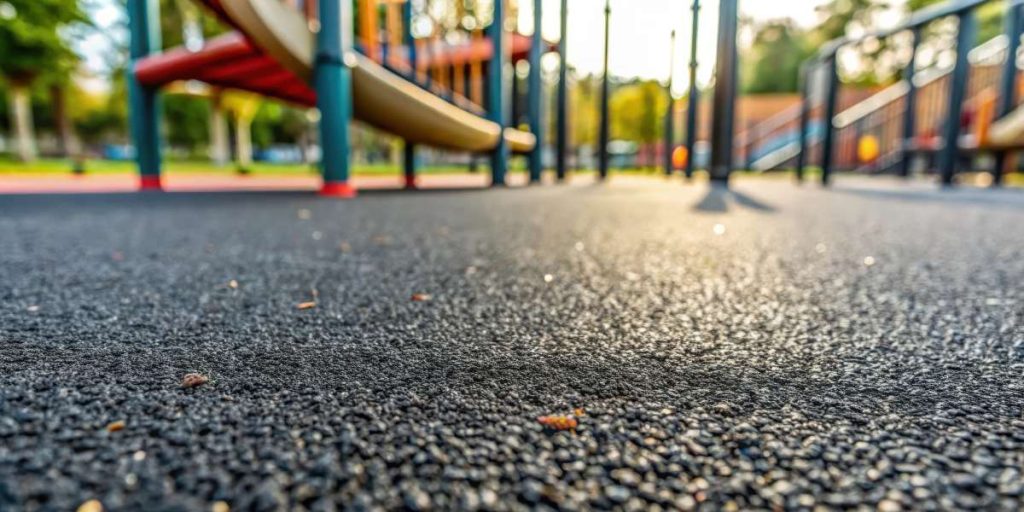
Some condominium communities install rubberized playground surfaces such as poured in place rubber or interlocking rubber tiles. These surfaces provide consistent cushioning and require less frequent replenishment than loose fill materials. However, rubber surfaces still require regular inspections to ensure they remain in good condition.
Over time, rubber surfaces may develop cracks, lifting edges, or areas where water accumulates after rainfall. These issues can create trip hazards or allow water to seep beneath the surface, potentially causing additional damage. If boards notice sections of rubber surfacing beginning to deteriorate, repairs should be scheduled promptly to prevent the damage from spreading.
Maintaining rubber playground surfaces also involves keeping the area clean and free from debris. Dirt and organic material can accumulate on the surface and affect drainage patterns. Routine cleaning and inspection help preserve the longevity of the surface and maintain its impact absorbing properties.
Seasonal Playground Maintenance in Ontario
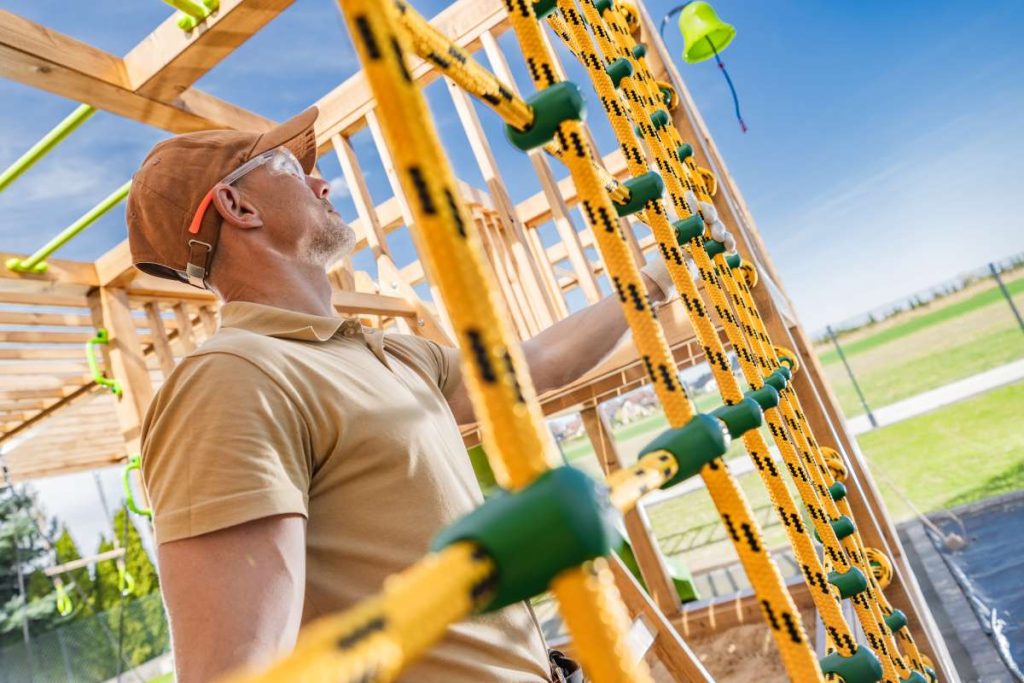
Ontario’s climate introduces several unique challenges for outdoor playground maintenance. Temperature fluctuations, precipitation, and seasonal changes all influence the condition of playground equipment and surrounding surfaces. For condominium boards, adopting a seasonal maintenance approach helps ensure that playground inspections address the specific risks associated with each time of year.
Seasonal maintenance planning allows boards to prepare the playground for changing weather conditions while identifying issues that may have developed during the previous season. By aligning inspections with seasonal transitions, boards can address problems early and reduce the likelihood of unexpected repairs.
Spring Inspections after Winter Conditions
Spring represents one of the most important inspection periods for condominium playgrounds. Winter conditions can place significant stress on outdoor equipment. Snow accumulation, ice formation, and repeated freeze thaw cycles may loosen hardware, damage surfacing materials, or create small cracks in plastic components.
When snow melts, maintenance staff should perform a thorough inspection of the playground. This inspection should focus on identifying damage that may have occurred during the winter months. Particular attention should be given to metal components that may have developed rust, wooden structures that may have absorbed moisture, and surfacing materials that may have shifted or compacted under the weight of snow.
Spring inspections should also include a comprehensive cleaning of the play area. Fallen branches, debris, and accumulated dirt may remain after winter and should be removed before the playground reopens for regular use. Conducting a professional playground inspection during the spring season can provide additional reassurance that the equipment remains safe following winter weather conditions.
Summer Monitoring and Preventative Maintenance
During the summer months, playgrounds typically experience the highest levels of use. Families spend more time outdoors, and children may visit the playground several times each day. Increased usage accelerates wear on moving components such as swings, ladders, and climbing structures.
Property managers or maintenance staff should monitor the playground regularly during the summer to identify emerging issues. Swing chains may stretch slightly with frequent use, bolts may loosen from vibration, and loose fill surfacing may shift more quickly as children move through the area.
Addressing small maintenance concerns during the summer helps prevent more significant repairs later in the season. Promptly tightening hardware, replenishing surfacing materials, and repairing minor damage ensures that the playground remains safe throughout the busiest months of the year.
Fall Preparation for Winter Conditions
As temperatures begin to cool and leaves fall from surrounding trees, condominium boards should begin preparing the playground for winter conditions. Autumn maintenance activities help reduce the likelihood of damage during the colder months and ensure the playground remains in good condition when spring arrives.
Leaves and organic debris should be removed regularly from the playground area because they can create slippery surfaces when wet. Maintenance staff should also inspect drainage areas to ensure water does not accumulate around the playground following rainfall.
Fall inspections provide an opportunity to identify repairs that should be scheduled before winter weather arrives. Completing these repairs early helps prevent moisture from entering damaged components and causing additional deterioration during freezing temperatures.
Winter Playground Management
In many Ontario condominium communities, playground use declines significantly during winter due to snow, ice, and freezing temperatures. Icy surfaces can create hazardous conditions, particularly on metal equipment such as slides and climbing bars. For this reason, some condominium corporations temporarily discourage playground use during the winter months.
Boards may choose to install signage advising residents that playground equipment may become slippery or unsafe during winter conditions. In certain communities, removable components such as swing seats may be taken down temporarily to reduce the likelihood of winter use.
Even when playgrounds are not actively used, maintenance staff should periodically check the area throughout the winter to ensure equipment remains secure and that snow accumulation does not create structural stress on the equipment. Winter can also provide a valuable opportunity for boards to review inspection reports and plan future upgrades before the next active season begins.

Budgeting for Playground Maintenance and Replacement
Like all common elements within a condominium community, playgrounds require careful financial planning. Boards must ensure that sufficient funds are available for routine maintenance, safety inspections, and eventual equipment replacement. Without proper planning, playground repairs can become unexpected expenses that strain the corporation’s operating budget.
A well structured budgeting strategy helps boards maintain the playground responsibly while avoiding sudden financial pressures.
Operating Budget Considerations
Routine playground maintenance expenses typically appear in the condominium corporation’s annual operating budget. These expenses may include regular inspections, minor repairs, surfacing replenishment, landscaping around the play area, and professional safety audits.
Although these costs may appear relatively small compared to other maintenance expenses, they play a crucial role in maintaining the safety and longevity of the playground. Boards should ensure that sufficient funds remain available each year to support routine maintenance activities.
Neglecting routine maintenance often results in larger repair costs later. By investing modest resources into preventative maintenance, boards can significantly extend the lifespan of playground equipment.
Long Term Capital Planning Through the Reserve Fund
Playground equipment eventually reaches the end of its useful life, even when properly maintained. Most commercial playground structures last between fifteen and twenty years depending on the materials used and the level of usage.
Condominium reserve fund studies should include the anticipated replacement of playground equipment within the long term capital plan. When reserve fund studies identify upcoming replacement timelines, boards can begin planning for future upgrades and budgeting accordingly.
Boards that wish to better understand how long term capital planning works can review how condo reserve funds work in Ontario when preparing for major playground replacement projects.
Accessibility and Inclusive Playground Design
Playgrounds have evolved significantly in recent years as communities recognize the importance of inclusive design. Inclusive playgrounds allow children of different abilities to participate in play activities together rather than creating separate spaces for different users.
For condominium communities, incorporating accessible features into playground design can help ensure that outdoor spaces remain welcoming to all residents.
Inclusive playground design may involve the installation of accessible pathways that allow mobility devices to reach play areas, ground level play panels that provide interactive experiences without climbing, and sensory play features that stimulate touch, sound, and visual exploration.
Ontario’s accessibility framework encourages communities to consider accessibility improvements when designing public spaces. While condominium playgrounds may not fall under all accessibility requirements applied to public infrastructure, many boards choose to incorporate inclusive features voluntarily when upgrading equipment.

C0mmunicating Playground Safety Expectations to Residents
Even the safest playground requires responsible use by residents. Condominium boards can improve playground safety by communicating clear expectations regarding supervision and appropriate behaviour.
Posting playground rules near the entrance of the play area helps ensure that residents understand how the equipment should be used. Signs may include recommended age ranges, reminders that adult supervision is required for young children, and instructions encouraging residents to report hazards or maintenance concerns.
Boards may also wish to share playground safety reminders through community newsletters or resident communication platforms. Encouraging residents to report potential hazards promptly allows management to address issues before they create safety risks.
Clear communication demonstrates that the board takes safety seriously and encourages residents to participate in maintaining a safe environment.
Final Thoughts
Condo playground maintenance requires ongoing attention, structured inspections, and thoughtful long term planning. When boards approach playground management proactively, they protect residents, reduce liability risks, and preserve one of the most valued amenities within the community.
A well maintained playground reflects a well managed condominium corporation. Through regular inspections, preventative maintenance, and responsible financial planning, boards can ensure that playgrounds remain safe and enjoyable spaces for families for many years to come.