
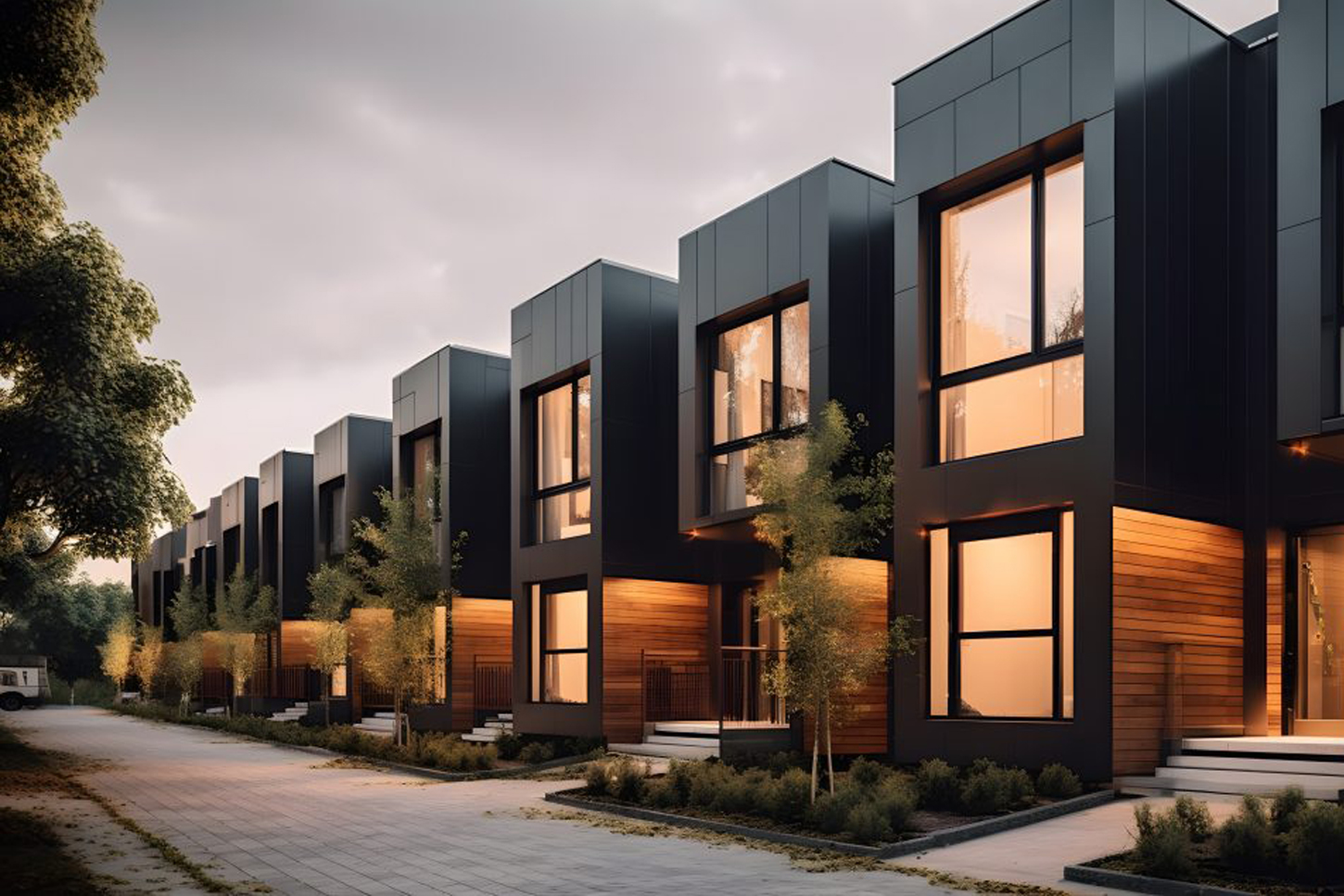
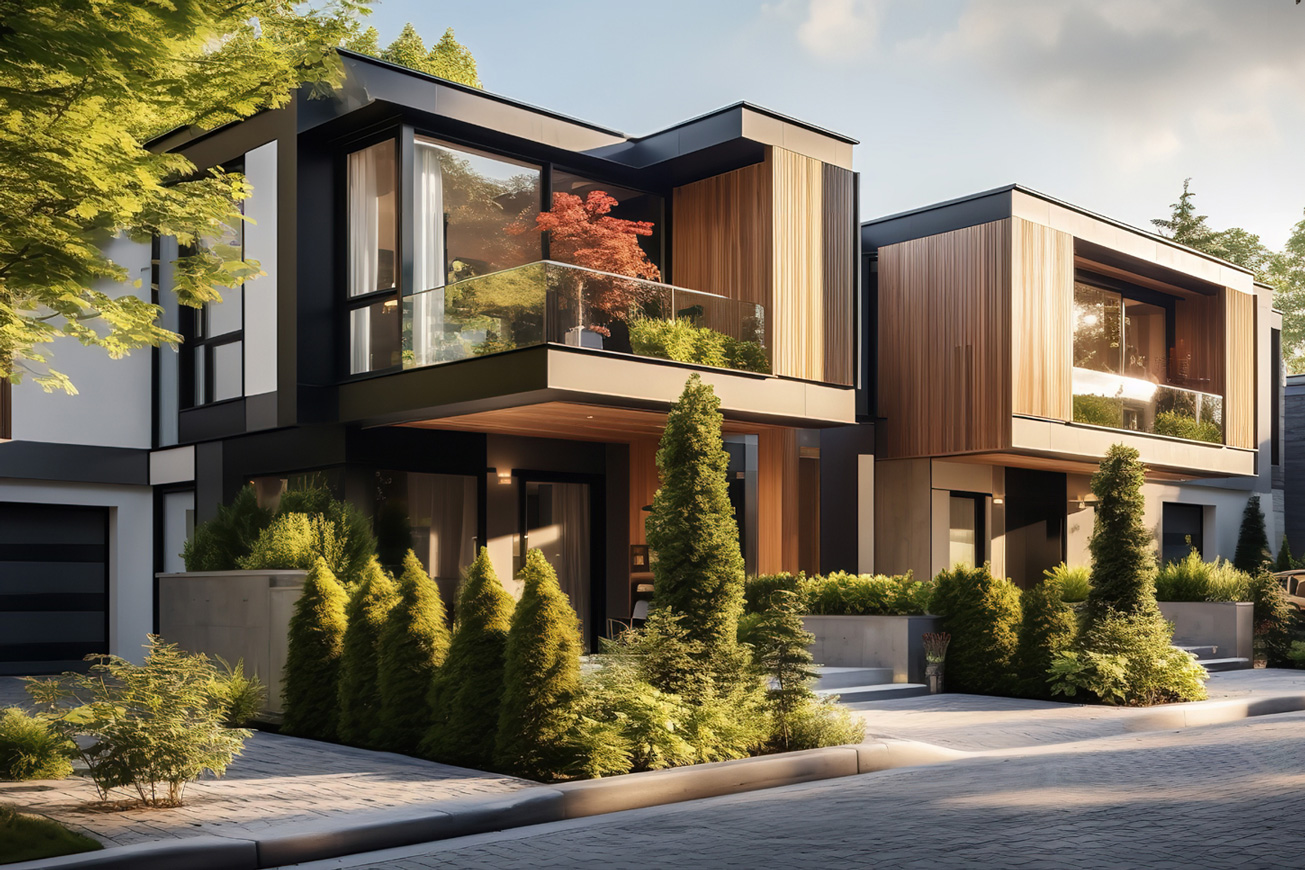
When exploring housing options in the Greater Toronto Area, many buyers come across stacked townhouses, sometimes referred to as stacked condo townhouses. These homes have become increasingly popular in urban and suburban developments due to their affordability, efficient use of space, and lower maintenance requirements. In this guide, we will explain what a stacked townhouse is, the difference between a townhouse and a stacked townhouse , the advantages and drawbacks of this housing type, and what buyers should review before making a purchasing decision.
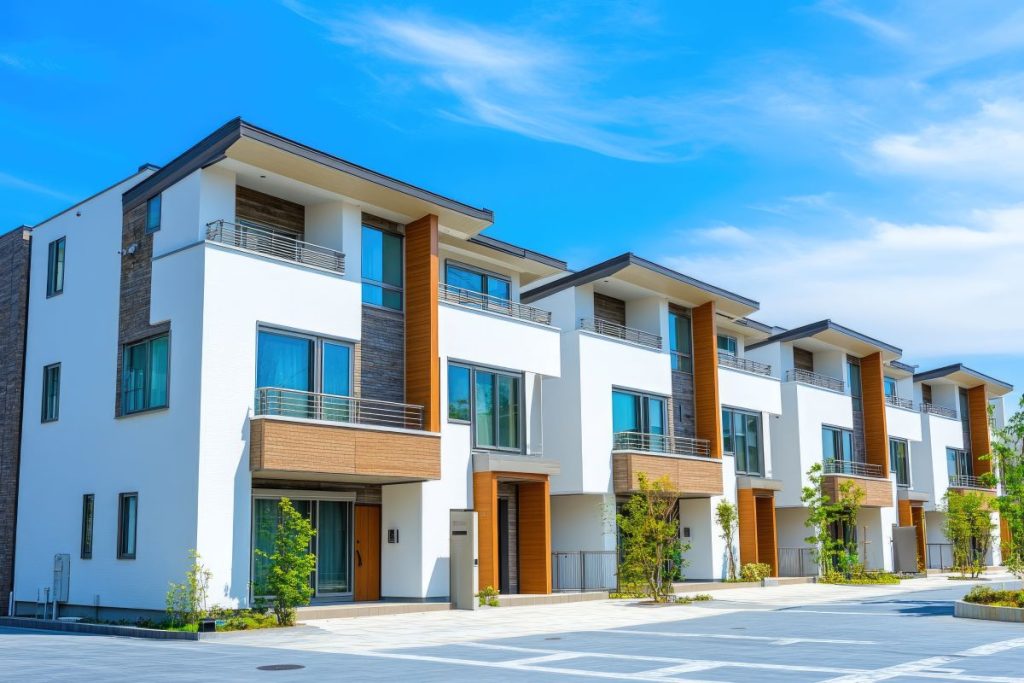
A stacked townhouse is a multi-unit residential building where individual townhome units are stacked vertically rather than arranged side by side. These developments typically include two or three levels, with some units occupying the lower floors and others located above them.
Unlike traditional townhouses that usually include a private entrance and backyard, stacked condo townhouses often share walls, floors, and common elements. Since these units are registered as condominiums, they are governed by a condominium corporation responsible for maintaining shared spaces and exterior components.
Stacked townhouses are commonly found in higher density neighbourhoods across the GTA, making them a practical option for buyers seeking townhouse style living without the price tag of a freehold property.
Key Difference Between Townhouse and Stacked Townhouse
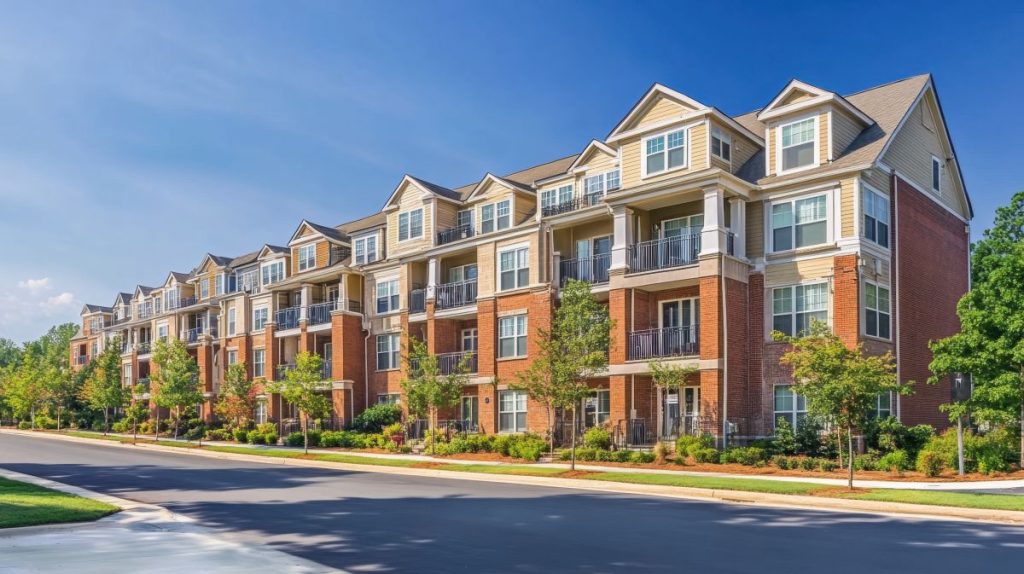
Buyers should clearly understand the difference between a townhouse and a stacked townhouse before comparing purchase prices, ownership responsibilities, and long-term costs. While both property types offer multi-level living and a similar exterior appearance, they differ significantly in ownership structure, maintenance obligations, privacy, and governance.
A traditional townhouse is often a freehold property, meaning the owner holds title to both the unit and the land beneath it. In some cases, traditional townhouses may belong to a smaller condominium corporation, but they typically include private entrances, limited shared elements, and some form of exclusive outdoor space such as a backyard or patio. Owners usually take responsibility for exterior maintenance, including roofing, windows, doors, and landscaping, unless the condominium corporation’s declaration states otherwise. This ownership model provides greater autonomy but also places more financial and maintenance responsibility on the owner.
A stacked townhouse, by contrast, almost always operates as a condominium. Individual units stack vertically within a single building, which means owners share walls, floors, ceilings, and common elements with neighbouring units. The condominium corporation manages exterior maintenance, shared utilities, landscaping, snow removal, insurance for common elements, and long-term capital repairs. Owners contribute to these costs through monthly condo fees, which provide predictability but add an ongoing expense beyond the mortgage.
Privacy also differs between the two housing types. Traditional townhouses generally offer more separation between units, fewer shared surfaces, and reduced sound transfer. Stacked townhouses involve closer proximity to neighbours due to shared floors and ceilings, which can affect noise levels and overall privacy, depending on construction quality and building design.
These differences directly influence monthly costs, lifestyle expectations, renovation flexibility, and long-term planning. Buyers who prefer lower hands-on maintenance and predictable expenses may gravitate toward stacked townhouses, while those seeking autonomy, outdoor space, and fewer restrictions may prefer traditional townhouses.
Pros of Living in a Stacked Townhouse
Affordability Compared to Traditional Townhouses
Stacked townhouses typically cost less than traditional or freehold townhouses in the same neighbourhood. Developers build vertically, which reduces land costs and allows more homes on a smaller footprint. This construction model lowers purchase prices without sacrificing interior living space. Buyers often gain access to newer finishes, modern layouts, and updated building systems at a lower entry point. For first-time buyers, this affordability can reduce the need for compromise on location. Downsizers also benefit by maintaining multi-level living without the cost of a detached or freehold townhouse. Monthly expenses also tend to be more predictable. Condo fees often cover exterior maintenance and shared services, which reduces unexpected repair costs.
Efficient Use of Space in Urban Areas
Stacked townhouse developments use land efficiently while avoiding the density of high-rise buildings. Municipalities often favour this format in growing urban and suburban areas. Inside the unit, designers typically separate living spaces across multiple levels. Living and dining areas sit on one floor, while bedrooms occupy another. This layout creates clear boundaries between daily activities. Many buyers appreciate having privacy between entertaining areas and sleeping spaces. The design also suits work-from-home arrangements. Separate floors can support dedicated home offices or quiet work zones.
Lower Maintenance Requirements
Condominium corporations manage exterior maintenance in stacked townhouse communities. This usually includes roofing, windows, landscaping, snow removal, and common infrastructure. Owners no longer need to coordinate contractors for exterior repairs. They also avoid large one-time expenses tied to major building components. This structure benefits buyers who want ownership without hands-on upkeep. It also supports long-term planning through reserve fund contributions. Boards often partner with professional managers to oversee these responsibilities. Our guide on how to choose a condo property management company explains how strong management supports consistent maintenance and financial stability.
Community Living Without High-Rise Density
Stacked townhouses create a community feel without the scale of condominium towers. Buildings usually remain low-rise, with fewer units per entrance. Many developments feature private or semi-private entrances. This design helps residents feel connected while preserving personal space. Neighbours often interact more naturally due to shared walkways and smaller common areas. At the same time, residents avoid elevators, crowded lobbies, and large amenity spaces. This balance appeals to buyers who want community living without high-rise intensity.

Cons of Stacked Townhouses
Limited Privacy and Sound Transfer
Stacked townhouses share walls, ceilings, and floors with neighbouring units. This shared construction can allow sound to travel between homes. Footsteps, music, and everyday household noise may be more noticeable than in freehold housing. Upper-level units can also transmit sound downward, especially in older buildings. Newer developments often include improved soundproofing materials. Even so, buyers who value quiet living should review construction quality and unit placement carefully. Corner units or top-floor units may offer slightly better sound separation. Buyers should also visit the property at different times of day before purchasing.
Reduced Outdoor Space
Most stacked townhouses do not include private backyards. Instead, units may offer small balconies, terraces, or shared outdoor areas. These spaces provide limited flexibility for outdoor entertaining. They may not support gardening, play structures, or larger furniture. Condominium rules often regulate balcony use. Restrictions may apply to barbecues, storage, privacy screens, and decorative elements. This limitation can affect families with children or pet owners. Buyers who prioritize outdoor living may find this housing type restrictive.
Stairs and Accessibility Challenges
Stacked townhouses use multi-level layouts by design. Residents must navigate stairs daily to access bedrooms, living areas, or entrances. This layout can create challenges for individuals with mobility concerns. It may also limit long-term suitability as household needs change. Carrying groceries, strollers, or laundry between floors can become inconvenient. Older adults and families with young children may feel this impact more strongly. Buyers should consider future accessibility needs before committing. Not all stacked townhouses can accommodate stair lifts or mobility upgrades.
Restrictions on Customization
Stacked townhouses operate under condominium governance. Rules and bylaws regulate exterior changes and certain interior renovations. Owners often need board approval before altering flooring, plumbing, or structural elements. Even window coverings and balcony finishes may require compliance with standards. These controls protect consistency and property values across the community. They also limit how much owners can personalize their space. Buyers who value renovation freedom should review condominium documents carefully. Understanding these restrictions helps avoid future frustration.
Who Are Stacked Townhouses Best For?
First Time Homebuyers
Stacked townhouses appeal to first-time buyers who want homeownership at a more accessible price point. Lower purchase prices reduce the initial financial barrier compared to freehold or traditional townhouses. Shared maintenance responsibilities also simplify ownership. The condominium corporation manages exterior upkeep, which allows new owners to focus on their living space rather than building repairs. Many first-time buyers appreciate predictable monthly costs. Condo fees often cover insurance for common elements and long-term maintenance planning. This structure can provide a smoother transition from renting to owning. Buyers gain experience with property ownership while avoiding many maintenance demands.
Urban Professionals and Downsizers
Urban professionals often choose stacked townhouses for their location. These developments commonly sit near transit routes, employment centres, and everyday amenities. Multi-level layouts provide separation between work and living areas. This design supports work-from-home routines without requiring larger homes. Downsizers benefit from reduced maintenance obligations. They maintain townhouse-style living while eliminating yard work and exterior repairs. Many downsizers also value smaller communities. Stacked townhouses offer a quieter alternative to high-rise condominiums.
Buyers Seeking Lower Purchase Prices
Stacked townhouses provide an entry point for buyers priced out of traditional townhouses. Vertical construction allows developers to offer more attainable pricing in competitive markets. Buyers often gain access to newer developments. These homes may include modern finishes and energy-efficient building systems. This housing type allows buyers to stay within preferred neighbourhoods. Location flexibility remains one of the strongest advantages. For additional comparison, buyers can review our guide on the benefits of owning a townhouse to understand how stacked and traditional townhouses differ.
What to Review Before Buying a Stacked Townhouse
Condo Fees and Monthly Costs
Buyers should review condo fee schedules carefully before making an offer. These fees directly affect monthly affordability and long-term budgeting. Condo fees typically cover exterior maintenance, landscaping, snow removal, and insurance for common elements. Some communities also include utilities or shared amenities. Fee amounts vary based on building age, size, and service levels. Newer developments may start with lower fees that increase over time. Buyers should ask for a history of fee increases. Consistent increases may indicate rising operating costs or deferred maintenance. To learn more about what’s included in your monthly condo fees, explore our guide on condo maintenance fees.
Reserve Fund and Building Maintenance
A strong reserve fund supports major repairs and long-term building upkeep. Roof replacements, exterior repairs, and infrastructure upgrades rely on this funding. Buyers should review the most recent reserve fund study. This document outlines upcoming projects and expected funding needs. An underfunded reserve can lead to special assessments. These unexpected costs can place financial strain on owners. Well-managed communities plan repairs in advance. This approach helps stabilize fees and protect property value.
Rules, Bylaws, and Usage Restrictions
Condominium documents set the rules for daily living. These documents govern rentals, pets, renovations, parking, and use of common elements. Some communities restrict short-term rentals or limit pet size and quantity. Others regulate flooring materials to reduce noise transfer. Buyers should review these documents before committing. Understanding restrictions helps avoid future conflicts or lifestyle limitations. Clear rules support consistency across the community. They also protect shared property and long-term value.
Conclusion
The pros and cons of stacked townhouses help explain their growing popularity across the Greater Toronto Area. Buyers gain access to lower purchase prices, efficient multi-level layouts, and shared maintenance responsibilities. At the same time, stacked townhouses require buyers to accept trade-offs. Limited privacy, reduced outdoor space, and condominium governance play a role in daily living. For many buyers, these compromises feel reasonable. Predictable costs and lower maintenance demands often outweigh the limitations. Success often depends on the quality of condominium management. A well-managed corporation supports building maintenance, financial planning, and clear communication. Buyers who review fees, reserve funds, and rules before purchasing make more informed decisions. This preparation helps align expectations with long-term ownership realities. When paired with strong management, stacked townhouses can offer a practical and rewarding path to homeownership in competitive urban markets.