
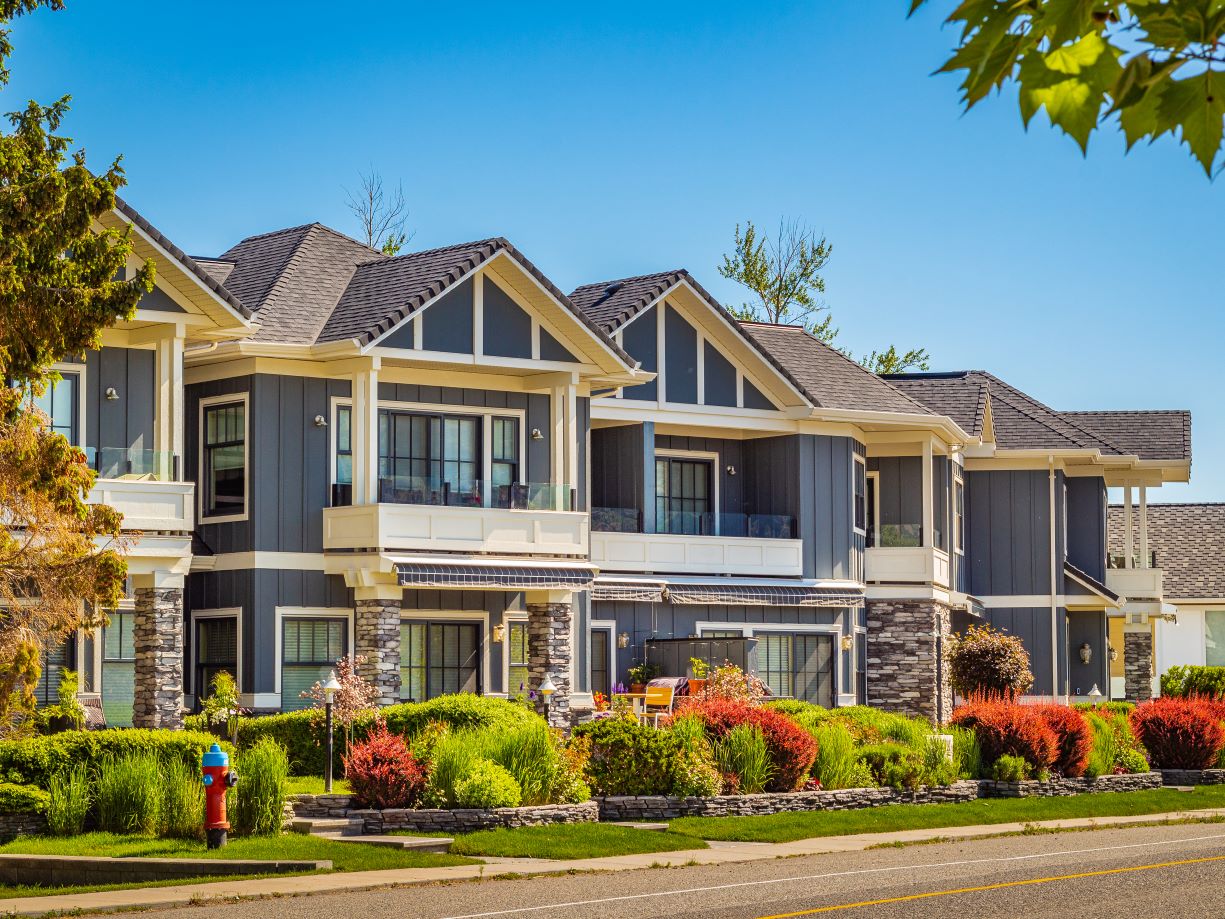
Summer is one of the best times for condominium boards to take a closer look at landscaping. After months of snow, salt, rain, and early spring cleanup, the exterior of a condominium community can start to look tired if the grounds do not receive proper attention. Fresh garden beds, healthy turf, clean walkways, colourful planters, and well-maintained outdoor amenities can quickly change how residents, visitors, and prospective purchasers experience the property.
For condominium corporations, curb appeal is about much more than appearance. Landscaping helps shape first impressions, supports resident pride, contributes to owner satisfaction, and reflects how well the property receives care. A well-planned outdoor space can make a condominium community feel welcoming, organized, and professionally managed.
The challenge for many condominium boards is finding the right balance between beauty, practicality, budget, and long-term maintenance. A landscaping idea may look impressive in June, but if it requires constant watering, frequent replacement, or costly repairs, it may not suit the corporation’s needs. Boards need landscaping choices that make a strong visual impact while also supporting responsible financial planning and sustainable property care.
This guide outlines practical condo landscaping ideas to enhance curb appeal this summer, with a focus on Ontario condominium communities.
Why Summer Landscaping Matters for Condominium Communities
Summer landscaping plays an important role in the overall presentation of a condominium property. During the warmer months, residents spend more time outdoors, guests visit more frequently, and common areas often receive heavier use. This makes the summer season an ideal time to improve the look, comfort, and function of the exterior grounds.
For condominium boards, landscaping decisions should connect to broader property planning. The grounds form part of the common elements, and boards must consider maintenance responsibilities, budget limits, contractor performance, accessibility, safety, and long-term replacement needs. The Condominium Authority of Ontario explains that repair and maintenance responsibilities depend on the Condominium Act, the corporation’s governing documents, and the distinction between units and common elements. Boards should review these responsibilities before approving larger outdoor improvements through the corporation’s budget or reserve planning process. Review the CAO’s guide on condo repairs and maintenance for more information.
Landscaping also affects how owners feel about the value of their investment. A property with neglected gardens, overgrown shrubs, patchy grass, damaged edging, or poorly maintained walkways may create frustration among residents. In contrast, a clean and attractive exterior can reassure owners that the board and management team take property care seriously.
Good landscaping does not always require dramatic changes. In many cases, boards can improve curb appeal through thoughtful seasonal updates, better maintenance standards, and small design improvements that make the property feel refreshed.

Start with a Summer Landscaping Walkthrough
Before a board approves new landscaping ideas, it should understand the current condition of the property. A summer landscaping walkthrough gives the board, property manager, and landscape contractor an opportunity to identify what works, what needs improvement, and what may require future planning.
This walkthrough should include front entrances, driveways, walkways, gardens, lawns, parking areas, patios, amenity areas, fencing, retaining walls, lighting, irrigation systems, and any exclusive-use common element areas that affect the property’s overall appearance.
During the walkthrough, the board should look for visible gaps in maintenance. These may include dead shrubs, bare patches of grass, leaning trees, weeds in garden beds, damaged planters, uneven paving stones, standing water, faded mulch, broken edging, or overgrown vegetation blocking signage and pathways.
The walkthrough should also consider safety and accessibility. Landscaping should not block sightlines near driveways, entrances, walkways, or parking areas. Shrubs should not create hiding areas near doors or windows. Tree branches should not hang too low over sidewalks. Walkways should remain clear, level, and easy to navigate.
A seasonal walkthrough helps boards prioritize. Some improvements may require immediate attention, while others can wait until the next budget cycle. ICON’s spring condo maintenance checklist provides helpful context for boards that want to connect landscaping with broader seasonal property maintenance.
Refresh Garden Beds for an Immediate Visual Impact
Garden beds often create the strongest first impression at a condominium property. They frame entrances, soften building lines, and add colour to high-traffic areas. When garden beds look neglected, the entire property can feel less cared for.
Boards can refresh garden beds by removing weeds, trimming existing plants, replacing dead material, adding fresh mulch, and introducing seasonal colour. These updates can quickly improve curb appeal without requiring a major redesign.
Use Layered Planting for Depth and Texture
Layered planting creates a more polished look by using plants of different heights, colours, and textures. Taller shrubs or ornamental grasses can sit toward the back of the bed, medium-height perennials can fill the middle, and low-growing plants can soften the front edge.
This approach works well near building entrances, monument signs, and walkway borders. It creates structure while still allowing seasonal colour to stand out. It also helps garden beds look intentional rather than random.
Boards should ask the landscape contractor to recommend plant choices based on light conditions, soil quality, water access, and maintenance expectations. A bed that receives full afternoon sun needs different plants than a shaded courtyard or north-facing entrance.
Add Mulch for a Clean, Finished Look
Fresh mulch can make garden beds look instantly cleaner. It also helps retain soil moisture, suppress weeds, and protect plant roots during hot weather. For condominium properties, mulch provides a practical and affordable way to create a neat, uniform appearance.
Boards should confirm the type, colour, and depth of mulch before installation. Too much mulch can harm plants, while too little may not provide enough weed control or visual impact. The landscape contractor should also avoid piling mulch directly against tree trunks or shrub stems.
Choose Low-Maintenance Plants that Suit Ontario Summers
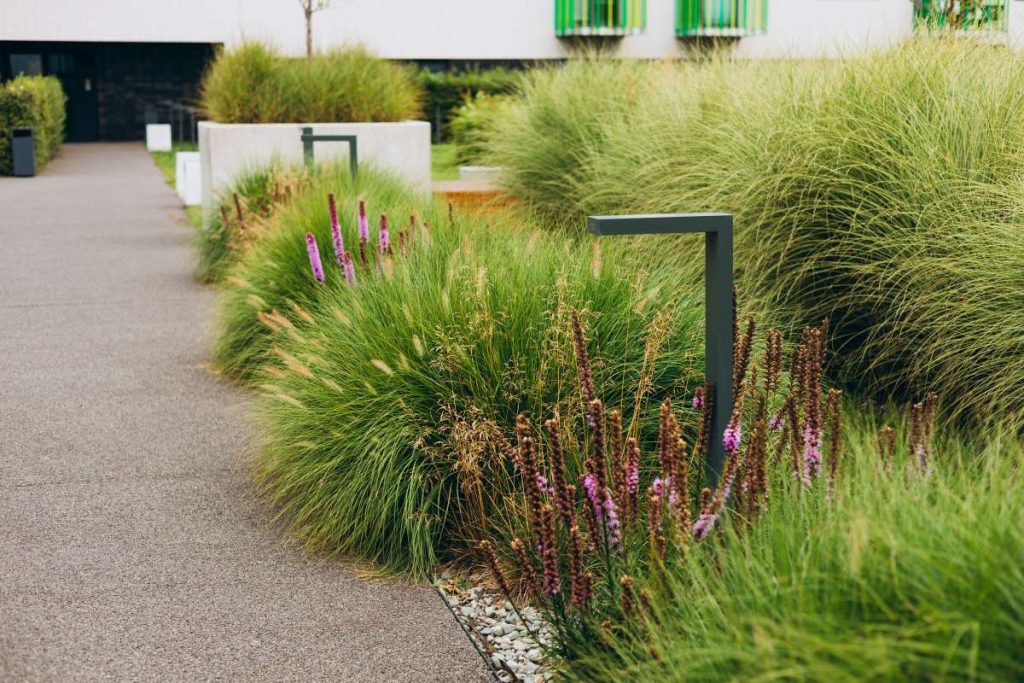
Low-maintenance landscaping can help condominium corporations control costs while still improving curb appeal. Plants that require constant watering, pruning, fertilizing, or replacement may create unnecessary strain on the operating budget.
Ontario summers can bring periods of heat, humidity, heavy rain, and drought. Boards should choose plant material that can handle local conditions. Native and non-invasive plants often perform well because they suit the regional climate and support local biodiversity.
The Ontario Invasive Plant Council’s Grow Me Instead program offers guidance on choosing native and non-invasive alternatives for Ontario gardens. This can help boards avoid plant choices that spread aggressively or create future maintenance concerns.
Consider Drought Tolerant Planting
Drought-tolerant plants can reduce the need for frequent watering during hot summer periods. This can help manage water use and limit stress on site staff or contractors. Drought-tolerant options may include ornamental grasses, certain native perennials, sedum, coneflowers, black-eyed Susans, and other hardy selections suited to the site.
Boards should still plan for watering during establishment. Even drought-tolerant plants need proper care when first installed. The landscape contractor should provide a watering plan for new plantings and explain how long the establishment period will last.
Avoid High- Maintenance Annuals in Large Areas
Annual flowers can add beautiful seasonal colour, but they often require more frequent watering, fertilizing, and replacement. They can work well in small, high-impact areas such as entrance planters, lobby approaches, and signage beds. However, they may not make sense for large planting areas unless the budget supports ongoing maintenance.
Boards can often achieve a better balance by using perennials and shrubs as the foundation, then adding annuals only where a bright seasonal display will have the greatest impact.
Upgrade Planters and Containers
Entrance planters offer one of the easiest ways to improve curb appeal during the summer. They provide colour, texture, and structure without requiring major changes to the landscape.
Planters work especially well at high-rise entrances, townhouse community signage, shared patios, and lobby approaches. They can help create a welcoming arrival experience for residents and visitors.
Choose Planters that Match the Property
The planter style should complement the building. A modern high-rise may suit sleek, simple containers, while a townhouse community may look better with warmer, more traditional planters. The board should consider material, size, durability, and winter storage needs before purchasing new containers.
Planters should also suit the scale of the entrance. Small containers may look underwhelming near a large building entrance, while oversized planters may obstruct walkways or create accessibility concerns.
Use a Simple Planting Formula
A common planter design approach uses height, fullness, and trailing plants. Taller plants create structure, fuller plants add colour and volume, and trailing plants soften the edges. This creates a balanced, professional look.
Boards should ask the landscape contractor to select plants based on the planter location. Full-sun planters need different selections than shaded entrances. Wind exposure also matters, especially at high-rise buildings where entrance areas may experience stronger gusts.
Improve Lawn Health Without Overinvesting in Turf
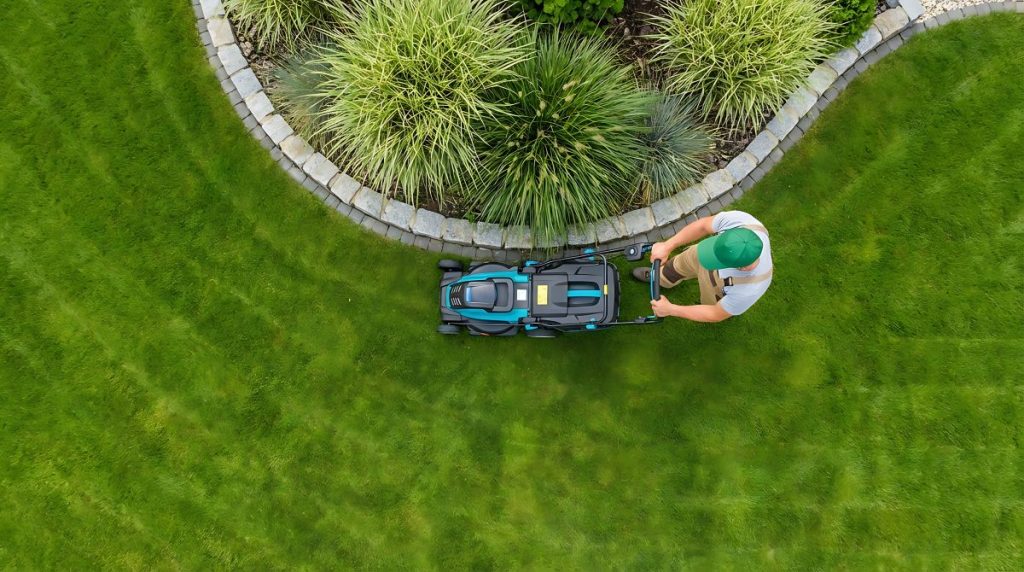
Lawns can contribute to curb appeal, but they can also become expensive to maintain if the site conditions do not support healthy turf. Shade, foot traffic, poor drainage, pet damage, compacted soil, and summer heat can all affect lawn quality.
Before spending heavily on sod replacement, boards should ask why the lawn is struggling. Replacing sod without addressing the underlying issue may lead to the same problem returning.
Repair Bare Patches Strategically
Bare patches near walkways, entrances, or amenity areas can make the grounds look neglected. Boards should consider overseeding, topdressing, aeration, soil improvement, or targeted sod repairs where turf still makes sense.
If an area repeatedly fails, the board may need a different solution. For example, shaded areas under trees may perform better with shade-tolerant groundcover, mulch beds, or a designed planting area.
Manage Foot Traffic Patterns
Residents often create informal paths when walkways do not align with how people move through the property. If grass wears down in the same location every year, the board should consider whether the site needs a stepping-stone path, walkway extension, or planting bed to guide movement.
Ignoring these patterns can lead to ongoing maintenance costs. A thoughtful design solution can improve both appearance and function.
Add Seasonal Colour in High-Visibility Areas
Seasonal colour can make a condominium property feel bright and welcoming during the summer. Boards do not need to plant annuals everywhere. Instead, they should focus on the areas residents and visitors see most often.
High-visibility areas may include main entrances, driveway approaches, signage beds, lobby walkways, patios, and amenity spaces. Concentrating colour in these areas creates a stronger visual impact while helping control costs.
Use Colour to Guide Attention
Colour can help draw attention to important property features. Bright planters near the main entrance can guide visitors toward the lobby. Colourful beds near signage can make the property name easier to notice. Flowering plants along a walkway can make the path feel more inviting.
Boards should choose a simple colour palette rather than mixing too many colours at once. A focused palette often looks more elegant and easier to maintain.
Plan for the Full Summer Season
Some plants look beautiful in June but decline by August. Boards should ask contractors to recommend plants that will maintain interest through the summer. A good design may combine early, mid, and late-season bloomers so the property does not lose colour too quickly.
The board should also confirm how often the contractor will deadhead, water, fertilize, and replace failing plants. Seasonal colour only enhances curb appeal when it receives consistent care.
Create Pollinator-Friendly Garden Areas
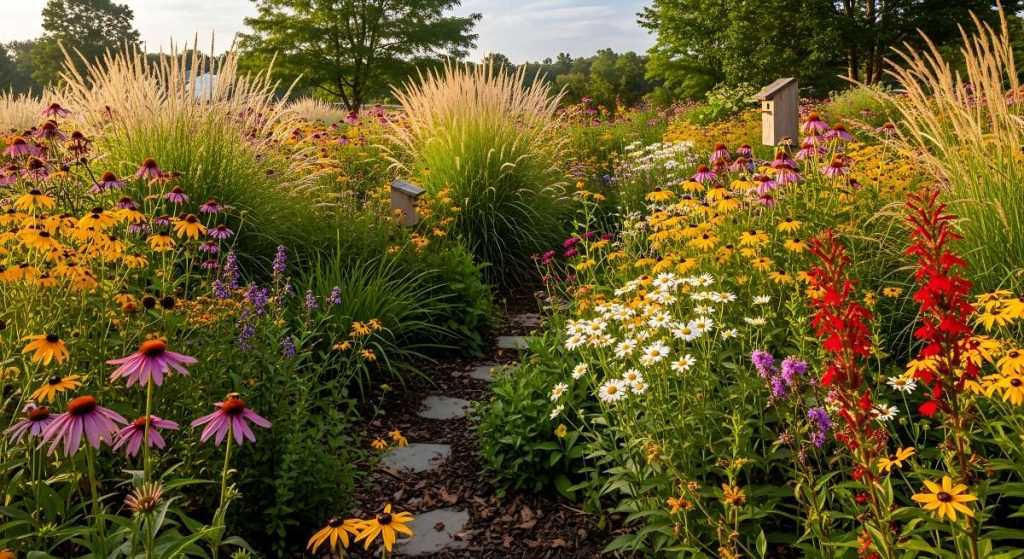
Pollinator-friendly gardens can add beauty while supporting bees, butterflies, and other beneficial insects. These gardens often use native plants, flowering perennials, and layered planting to create habitat.
For condominium communities, pollinator gardens can work well in underused lawn areas, side yards, courtyard edges, or garden beds that already need redesign. They can also create an educational opportunity for residents.
The City of Toronto’s Pollinator Protection Strategy encourages more pollinator-friendly native plants, trees, and shrubs. Even small condominium garden areas can support this broader environmental goal when boards choose suitable plant material.
Keep Pollinator Gardens Intentional
A pollinator garden should still look maintained. Some residents may worry that naturalized areas will appear messy if the design lacks structure. Boards can address this by using defined edges, clear signage, mulch paths, grouped plantings, and regular maintenance. A well-designed pollinator garden can look attractive and purposeful. It should not look like an abandoned garden bed.
Communicate the Purpose to Residents
Boards should explain the purpose of pollinator-friendly landscaping before making visible changes. A short notice, newsletter article, or lobby sign can help residents understand why the corporation selected native plants or reduced mowing in certain areas.
Resident education can reduce complaints and build support for sustainable landscaping decisions.
Review Trees and Shrubs for Shape, Safety, and Scale
Trees and shrubs provide structure and long-term value in a condominium landscape. However, they need regular review. Overgrown shrubs can block windows, signage, lighting, and walkways. Trees may need pruning to remove dead limbs or improve clearance.
Summer provides a good opportunity to assess how trees and shrubs affect the property’s appearance and safety.
Prune with a Purpose
Pruning should improve plant health, shape, clearance, and visibility. Contractors should avoid excessive pruning that damages the plant or creates an unnatural shape. Boards should confirm that pruning work follows proper horticultural standards.
Shrubs near entrances should remain tidy and scaled to the space. If shrubs have outgrown their location, replacement may make more sense than repeated heavy pruning.
Replace Plants that No Longer Fit
Some older plantings may no longer suit the property. A shrub that looked appropriate when installed may now block a walkway or crowd an entrance. A tree may cast too much shade for nearby turf. A hedge may require more maintenance than the corporation wants to fund.
Boards should not feel locked into outdated landscape choices. Thoughtful replacement can improve curb appeal and reduce future maintenance demands.
Improve Walkway Edges and Borders
Clean edges make a property look well maintained. Even simple improvements around walkways, driveways, and garden beds can create a more polished appearance.
Overgrown grass, broken edging, uneven pavers, and weeds in cracks can make the exterior look neglected. Boards should ask contractors to include regular edging, weed control, and hardscape cleanup in the summer maintenance program.
Define Garden Bed Lines
Clear garden bed lines create visual order. A crisp edge between lawn and mulch can make a garden look refreshed even before new plants are added. This small detail often has a strong impact on curb appeal. Boards should confirm how often the contractor will redefine bed edges during the growing season. One spring cleanup may not carry the property through the full summer.
Address Weeds in Hard Surfaces
Clear garden bed lines create visual order. A crisp edge between lawn and mulch can make a garden look refreshed even before new plants are added. This small detail often has a strong impact on curb appeal.
Boards should confirm how often the contractor will redefine bed edges during the growing season. One spring cleanup may not carry the property through the full summer.
Enhance Outdoor Amenities
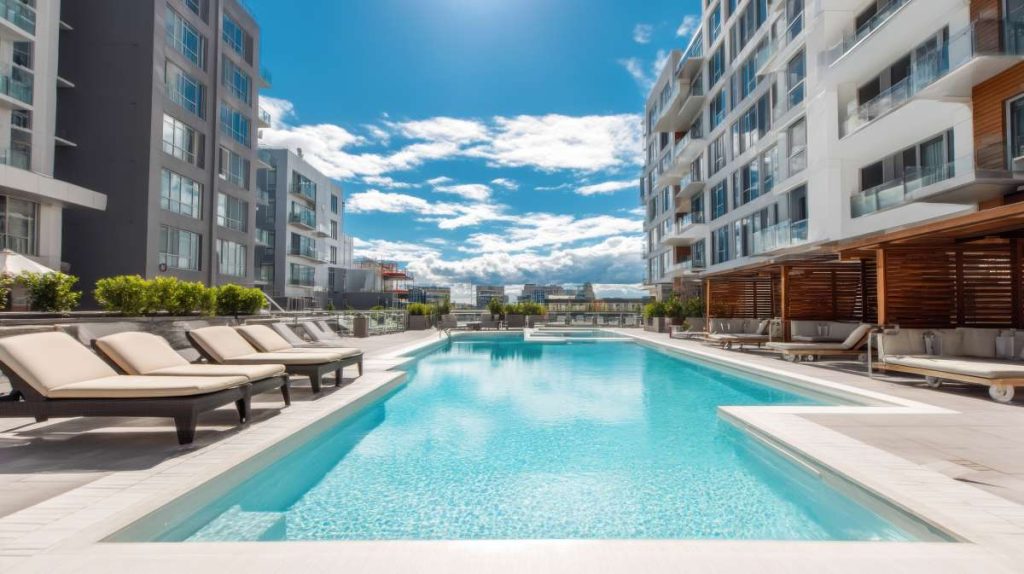
Outdoor amenity areas often receive heavy use during the summer. Patios, seating areas, BBQ spaces, courtyards, playgrounds, and pool surroundings should feel clean, safe, and inviting.
Landscaping can help define these spaces and make them more enjoyable. Planters, shrubs, shade trees, privacy screens, and seasonal flowers can soften hard surfaces and improve comfort.
Boards that want to prepare shared outdoor spaces for the warmer months may find ICON’s condo amenity preparation guide useful when planning seasonal inspections and maintenance tasks.
Add Shade Where Possible
Shade can make outdoor spaces more comfortable during hot summer days. Trees, pergolas, umbrellas, or shade structures may help, depending on the property layout and budget.
Boards should consider long-term maintenance before adding shade features. Trees need time to mature and require pruning. Umbrellas need storage and replacement. Built structures may require engineering review, permits, or reserve fund consideration if they become part of the common elements.
Use Landscaping to Create Separation
Landscaping can help separate active and passive areas. For example, shrubs can create a soft boundary between a seating area and a driveway. Planters can define a patio edge. Ornamental grasses can add privacy without creating a solid barrier. These small design choices can make outdoor spaces feel more comfortable and intentional.
Pay Attention to Signage and Entrance Features
Condominium signage often acts as the property’s visual anchor. If signage looks faded, hidden, or surrounded by tired landscaping, the property may lose curb appeal before visitors even reach the entrance.
Boards should review signage areas during the summer. Plants should frame the sign, not cover it. Lighting should make the sign visible at night. Mulch, edging, and seasonal colour can help the area look clean and attractive.
Keep Sightlines Clear
Shrubs and flowers should not block the property name, municipal address, directional signs, or traffic signs. Clear signage supports both curb appeal and safety. This matters for visitors, contractors, delivery drivers, emergency responders, and prospective purchasers. A beautiful garden bed should never interfere with wayfinding.
Consider Lighting Around Key Features
Landscape lighting can highlight entrance features, improve visibility, and make the property feel more welcoming in the evening. Boards may consider lighting around signage, walkways, gardens, or seating areas. Before adding lighting, boards should review electrical capacity, maintenance requirements, energy use, and any potential impact on nearby units. Lighting should improve visibility without shining directly into residents’ windows.
Use Sustainable Landscaping Where Practical
Sustainable landscaping can reduce maintenance pressure and support environmental goals. It can also help boards make thoughtful choices about water use, plant selection, soil health, and long-term care. Sustainability does not mean the property must look wild or informal. Many sustainable landscapes look clean, structured, and attractive when designed well.
Improve Soil Health
Healthy soil supports healthier plants. Compost, proper mulching, aeration, and appropriate fertilization can improve plant performance over time. Boards should ask contractors whether poor soil contributes to recurring plant failure. Adding new plants without improving poor soil may lead to disappointing results. Soil preparation should form part of any larger garden bed upgrade.
Reduce Water Waste
Boards can reduce water waste by choosing appropriate plants, using mulch, watering early in the morning, repairing irrigation issues, and avoiding overwatering. If the property has an irrigation system, it should receive regular inspection to ensure it operates efficiently. Broken sprinkler heads, poor coverage, or watering during rain can increase costs and frustrate residents. A properly maintained system supports both plant health and responsible resource use.

Budget for Landscaping Improvements Responsibly
Landscaping improvements should align with the corporation’s budget and long-term planning. Boards should distinguish between routine seasonal maintenance, operating budget improvements, and major repairs or replacements that may connect to reserve fund planning.
The CAO explains that reserve funds exist for major repairs and replacements of common elements and assets, not general alterations or improvements. Boards should review this distinction carefully before assuming that a landscaping upgrade can come from the reserve fund. You can find more information by review the CAO’s reserve fund guide.
ICON’s article on condo reserve funds in Ontario can also help boards understand how long-term planning protects condominium communities from financial surprises.
Prioritize High Impact, Low-Risk Improvements
Boards do not need to complete every landscaping idea at once. A phased approach often works best. The first phase may focus on cleanup, mulch, entrance planters, and replacing dead plants. A later phase may address larger garden redesigns, irrigation improvements, tree replacement, or hardscape repairs. This approach helps boards manage costs while still making visible progress.
Get Clear Contractor Pricing
Landscaping proposals should clearly explain the scope of work, plant quantities, materials, warranty terms, watering responsibilities, maintenance expectations, and any exclusions. Vague proposals can lead to misunderstandings and additional costs.
Boards should ask for photos, sketches, or plant lists when reviewing larger projects. Visual references help directors understand what they are approving.
Communicate Landscaping Plans to Residents
Residents often care deeply about the appearance of their condominium community. They may also have strong opinions about trees, flowers, gardens, lawns, and outdoor amenities. Clear communication can help boards build support for landscaping improvements. When a project will affect common areas, parking, walkways, or amenity use, residents should receive advance notice. The notice should explain what work will occur, when it will happen, why the board approved it, and how residents may experience temporary disruptions.
Explain the Value of the Work
Residents may better support landscaping improvements when they understand the purpose. The board can explain that the project will improve curb appeal, address failing plant material, reduce long-term maintenance, improve drainage, support pollinators, or enhance outdoor common areas. A short explanation can prevent residents from viewing landscaping work as cosmetic only. In many cases, landscaping supports property care, safety, resident satisfaction, and long-term value.
Invite Constructive Feedback
Boards can invite feedback before larger landscape redesigns, especially when the changes affect shared spaces. However, boards should manage this process carefully. Feedback can help identify resident priorities, but the board still needs to make decisions based on budget, feasibility, contractor advice, and the corporation’s obligations. A simple survey or comment period can help residents feel heard without delaying necessary work.
Do Not Overlook Townhouse Condominium Landscaping
Townhouse condominium communities often have different landscaping needs than high-rise properties. Front yards, walkways, driveways, visitor parking areas, fencing, and exclusive-use common element areas can create more complexity.
Boards should review the declaration, bylaws, and rules to understand who maintains specific areas. Some townhouse communities assign certain maintenance responsibilities to owners, while others include more work within the corporation’s landscaping contract.
Create Consistent Standards
Curb appeal in townhouse communities often depends on consistency. If some areas look well maintained while others appear neglected, the property may feel uneven. Boards should clarify landscaping standards and communicate expectations to owners. This may include rules about planters, garden ornaments, seasonal decorations, owner-installed plants, hoses, outdoor furniture, and modifications to common elements.
Address Owner-Installed Landscaping Carefully
Owners may want to personalize the space around their unit, but changes to common elements or exclusive-use common elements may require approval. Boards should remind owners to seek permission before planting trees, altering gardens, installing edging, or changing exterior areas. Clear rules help prevent disputes and protect the corporation from future maintenance issues.
Connect Landscaping with Playground and Amenity Safety
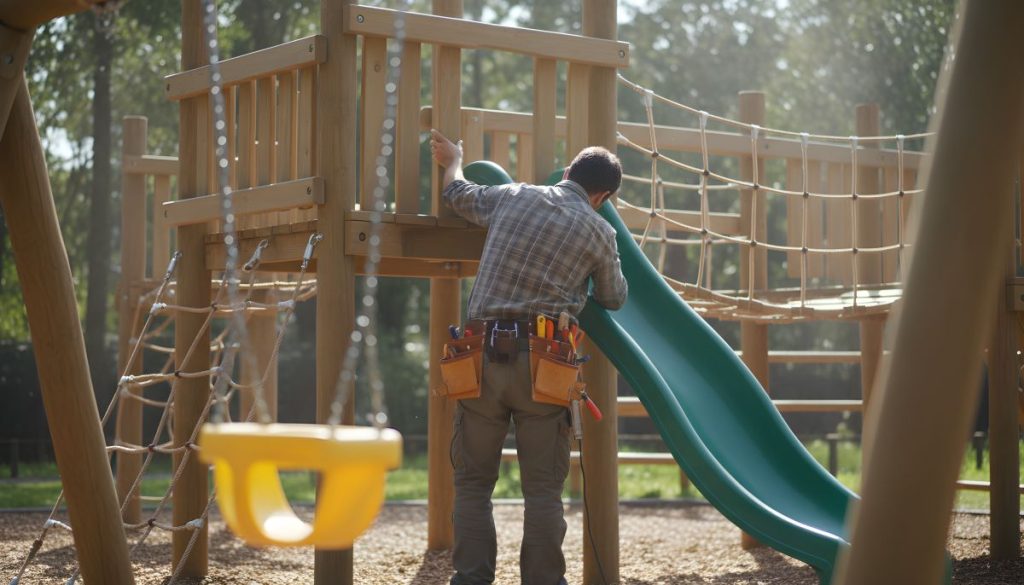
Landscaping around playgrounds and outdoor amenities should support both appearance and safety. Overgrown vegetation can affect sightlines, hide hazards, or interfere with access. Uneven surfaces, exposed roots, poor drainage, and encroaching plants can create concerns.
Boards should include these areas in summer inspections. ICON’s condo playground maintenance guide outlines why boards should take a proactive approach to outdoor play spaces and common area safety.
Keep Sightlines Open Around Play Areas
Parents and caregivers need clear visibility around playgrounds and seating areas. Shrubs, ornamental grasses, and trees should not block views into active spaces. Landscaping can still add beauty, shade, and comfort, but it should not compromise supervision or access.
Review Drainage and Surface Conditions
Poor drainage can affect lawns, gardens, playground surfaces, and walkways. Standing water can damage plant material, attract pests, and reduce usability. Boards should ask contractors to flag recurring drainage concerns so the board can determine whether further investigation is needed.
Build a Seasonal Landscaping Calendar
A seasonal landscaping calendar helps boards stay organized and proactive. It also helps the property manager hold contractors accountable throughout the year. A summer landscaping calendar may include weekly lawn care, weed control, watering, pruning, planter maintenance, garden inspections, litter removal, irrigation checks, tree reviews, and monthly walkthroughs.
Track Issues Throughout the Season
Boards should not wait until the end of the season to discuss landscaping concerns. If planters fail, weeds spread, grass declines, or shrubs block walkways, the property manager should address the issue with the contractor promptly. Photos can help document concerns and track progress. They also help boards compare conditions over time.
Review Contractor Performance
At the end of the summer, the board should review contractor performance before renewing or retendering the landscaping contract. The review should consider responsiveness, quality of work, communication, adherence to scope, resident feedback, and overall property appearance.
This review helps the board make informed decisions before the next season.
Conclusion
Summer landscaping gives condominium boards a valuable opportunity to improve curb appeal, strengthen resident pride, and support long-term property care. The most successful landscaping plans combine visual impact with practical maintenance, clear budgeting, and thoughtful communication.
Boards do not need to redesign the entire property to make meaningful improvements. Fresh mulch, healthy planters, clean edges, seasonal colour, well-pruned shrubs, and targeted garden upgrades can make a condominium community feel brighter, cleaner, and more welcoming.
When boards approach landscaping as part of the corporation’s broader maintenance and planning responsibilities, they can make decisions that serve both current residents and the long-term value of the property. A beautiful summer landscape starts with care, consistency, and a clear understanding of what the community needs most.