Condominium living continues to grow in Etobicoke as residents seek a balance between urban access, established neighbourhoods, and long-term housing stability. For condominium boards, however, managing a condo community in Etobicoke involves more than responding to day-to-day issues. Boards must oversee aging infrastructure, manage rising costs, meet regulatory obligations, and respond to changing resident expectations.
This article provides an in-depth, practical overview of condominium property management in Etobicoke. It explains how different condominium types operate, outlines common challenges faced by local boards, and explores how professional management supports stable, well-governed communities.
Overview of Condominium Living in Etobicoke
Unlike newly developed districts where most buildings share similar construction dates and design standards, Etobicoke’s condominium communities span several generations of development. Some buildings were constructed in the 1970s and 1980s under older building codes, while others reflect modern design, materials, and mechanical systems.
These differences affect nearly every aspect of condominium management. Older buildings often require more frequent repairs and higher reserve fund contributions, while newer buildings may rely on technology-driven systems that demand specialized maintenance. Boards that understand these distinctions place themselves in a stronger position to plan responsibly and avoid unexpected financial strain.
Condominium living in Etobicoke also reflects a wide range of resident demographics. Many communities include long-term owners alongside newer residents, families, and downsizers. This diversity influences communication styles, service expectations, and how boards approach decision-making.
Typical Condo Types in the Area
Etobicoke condominium corporations generally fall into three primary categories. While these categories appear straightforward on the surface, each carries distinct management, financial, and governance considerations that boards must understand to make informed decisions. Building form directly influences operating costs, reserve fund requirements, staffing needs, and long-term risk exposure.
A knowledgeable approach to condominium property management in Etobicoke starts with understanding how these property types function and where boards commonly encounter pressure points.
High Rise Condominium Buildings
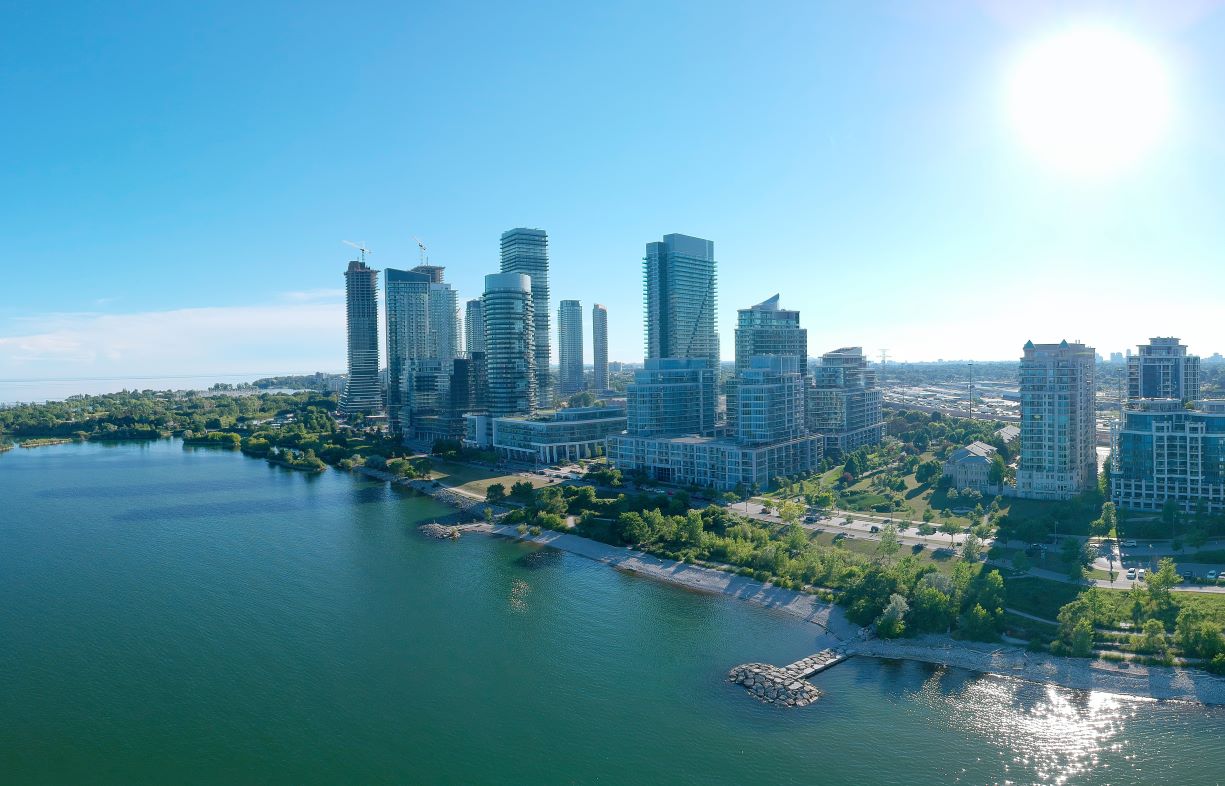
High-rise condominium buildings represent some of the most operationally complex communities in Etobicoke. These buildings often range from 15 to 40 storeys and house hundreds of residents within a single structure. Boards must manage dense populations alongside critical shared infrastructure.
Common high-rise systems and responsibilities include:
- Multiple elevator systems with strict inspection, maintenance, and modernization requirements.
- Centralized mechanical equipment such as boilers, chillers, cooling towers, and domestic hot water systems.
- Fire and life-safety systems that require ongoing testing, documentation, and compliance.
- Underground parking garages with ventilation systems, drainage, waterproofing membranes, and concrete restoration needs.
- Shared amenities such as fitness rooms, pools, party rooms, guest suites, and rooftop spaces.
Because these systems affect a large number of residents simultaneously, failures can escalate quickly. A single elevator outage or mechanical issue can disrupt daily life, create accessibility concerns, and generate immediate resident complaints. Boards must rely on structured preventive maintenance programs, detailed reserve fund planning, and experienced vendor coordination.
High-rise boards also manage more complex governance responsibilities. Staffing models, security protocols, contractor access, and after-hours response planning require clear policies and consistent oversight. Strong Etobicoke condominium management ensures these operational demands remain controlled rather than reactive.
Mid Rise Condominium Buildings
Mid-rise condominiums typically range from four to ten storeys and often integrate into established Etobicoke neighbourhoods. While these buildings operate on a smaller scale than high-rise towers, they still carry significant infrastructure and financial obligations.
Mid-rise buildings commonly include:
- One or two elevators with limited redundancy.
- Roofing systems that represent major capital expenditures when replacement becomes necessary.
- Parking garage or surface parkign areas that require drainage, lighting, and structural upkeep.
- Building envelopes that may include brick, concrete, or panel systems requiring periodic inspection and repair.
Boards governing mid-rise condominiums often face tight operating margins. These buildings usually lack the economies of scale seen in larger towers, which can make cost control more challenging. Capital projects, even when planned, may represent a substantial portion of annual budgets.
Effective condo management companies in Etobicoke help mid-rise boards prioritize maintenance, align reserve contributions with actual building needs, and avoid deferring repairs that later become more costly. Clear financial forecasting and disciplined planning remain essential for long-term stability.
T0wnhouse Condominium Communities
Townhouse condominium corporations remain prevalent throughout Etobicoke and often present a very different risk profile from vertical communities. These communities may consist of dozens or even hundreds of units spread across multiple blocks or phases.
Shared responsibilities typically include:
- Private roadways, driveways, and visitor parking areas.
- Sidewalks, curbs, retaining walls, and stormwater drainage systems.
- Landscaping, fencing, lighting, and irrigation infrastructure.
- Exterior building components such as roofs, siding, windows, and garage doors, depending on the Declaration.
Because owners experience maintenance issues unevenly, boards frequently encounter communication challenges. One section of the community may require roof replacement while another remains unaffected, which can create perceptions of unfairness if planning and communication lack clarity.
Townhouse boards also face long-term capital pressures. Road resurfacing, large-scale roofing projects, and drainage repairs can strain reserves if planning does not begin early. Proactive condominium property management in Etobicoke focuses on long-range forecasting, phased project planning, and transparent communication to reduce the risk of special assessments.
High-Rise Versus Townhouse Communities
The operational contrast between high-rise and townhouse condominiums shapes how boards allocate resources, manage risk, and engage with residents.
High-rise communities require constant oversight of life-safety systems, vertical transportation, and centralized mechanical equipment. Boards often oversee larger operating budgets and reserve funds, which demand regular review and informed decision-making. Staffing considerations, security protocols, and amenity management further increase complexity.
Townhouse communities, while less mechanically intensive, face challenges tied to scale and uniformity. Boards must ensure consistent maintenance standards across large geographic areas. Owners may experience issues differently depending on unit location, exposure, or proximity to shared infrastructure. Without clear planning and transparent communication, these differences can lead to conflict and perceptions of inequity.
Both community types benefit from experienced condo management companies in Etobicoke that understand how building form influences operational risk, financial planning, and resident relations.
Common Condo Management Challenges in Etobicoke
Condominium boards in Etobicoke operate in an environment shaped by building age, market pressures, and changing resident needs. While every condominium community faces challenges, Etobicoke presents several recurring issues that boards must manage carefully to protect property value and maintain stable operations.
Understanding these challenges helps boards plan more effectively and avoid reactive decision-making.
Aging Infrastructure
A large portion of Etobicoke’s condominium inventory was constructed decades ago. Many buildings now operate beyond the original expected lifespan of key components such as roofs, balconies, mechanical systems, and electrical infrastructure. As these systems age, failures occur more frequently and often with greater impact.
Boards often face difficult decisions when multiple systems require attention at the same time. For example, a building may need concrete restoration while also approaching a major mechanical replacement. Without long-term planning, these overlapping needs can place significant pressure on reserve funds and operating budgets.
Aging infrastructure also increases the risk of emergency repairs. When boards delay planned maintenance, minor issues can escalate into urgent problems that disrupt residents and cost more to fix. Proactive planning, guided by reserve fund studies and regular inspections, allows boards to address issues earlier and reduce both cost and disruption.
Vendor Availability
Condominium corporations in Etobicoke compete with downtown Toronto and surrounding municipalities for qualified contractors and service providers. Skilled trades remain in high demand, particularly for specialized work such as concrete restoration, elevator maintenance, and mechanical repairs.
Boards often experience longer wait times for service, limited contractor availability, and rising costs. In some cases, boards may need to rely on a smaller pool of vendors who understand older buildings and can meet insurance and regulatory requirements.
Vendor availability also affects project scheduling. Delays can extend the duration of repairs, increase disruption for residents, and create frustration if timelines change without clear explanation. Boards that plan work well in advance and maintain strong relationships with reliable vendors place themselves in a better position to manage these challenges.
Resident Expectations
Resident expectations have changed significantly over time. Owners now expect prompt responses to inquiries, clear explanations for decisions, and regular updates on maintenance and projects. Many residents also expect digital access to notices, documents, and communication.
These expectations place additional responsibility on boards, who must balance transparency with privacy, and responsiveness with volunteer capacity. Boards also need to manage differing expectations within the same community, particularly where long-term residents and newer owners may have different perspectives.
Clear and consistent communication plays a critical role in managing resident expectations. When boards explain why decisions are made, how timelines are determined, and what constraints exist, residents are more likely to remain engaged and supportive, even during periods of disruption.
How Professional Condo Management Supports Etobicoke Communities
Condominium boards in Etobicoke carry significant responsibility. Directors must act in the best interests of the corporation, comply with legislation, manage shared assets, and respond to resident concerns, often while volunteering their time. Professional condominium management exists to support boards in carrying out these responsibilities in a structured and consistent way.
Rather than replacing board authority, professional management provides the systems, expertise, and continuity that help boards govern effectively and plan for the long term.
Board Support and Governance
Strong governance forms the foundation of a well-run condominium corporation. Professional condominium management supports boards by helping them understand their roles, responsibilities, and decision-making authority within the framework of Ontario’s condominium legislation and the corporation’s governing documents.
This support includes preparing clear and organized board meeting materials, ensuring meeting minutes accurately reflect decisions, and maintaining proper corporate records. Managers also help boards interpret bylaws, rules, and policies so they can apply them consistently and fairly. When boards face complex or unfamiliar issues, professional management helps identify risks, outline options, and explain implications, allowing directors to make informed decisions rather than reacting under pressure.
Good governance support also promotes continuity. Board membership changes over time, but management provides stability by maintaining institutional knowledge and ensuring that past decisions, policies, and obligations remain accessible and understood.
Maintenance Planning and Preventative Care
One of the most important roles of professional condominium management involves helping boards move away from reactive maintenance and toward planned, preventive care. Buildings deteriorate gradually, and small issues often signal larger problems if left unaddressed.
Professional managers help boards understand the condition of building components, prioritize maintenance based on risk, and align maintenance plans with reserve fund studies. This approach allows boards to schedule work before failures occur, reduce emergency repairs, and spread costs more predictably over time.
Preventive maintenance also minimizes disruption for residents. Planned projects allow for advance notice, realistic timelines, and clearer expectations. Over time, consistent maintenance planning helps extend the life of major systems and protects the overall value of the property.
Vendor Coordination and Local Contractors
Coordinating vendors requires more than simply hiring contractors. Professional condominium management supports boards by managing the full lifecycle of vendor engagement, from identifying qualified service providers to overseeing work completion.
In Etobicoke, where buildings vary widely in age and construction type, local knowledge matters. Professional managers understand which contractors have experience with specific building systems and older infrastructure. They also ensure vendors meet insurance, licensing, and safety requirements before work begins.
During projects or repairs, managers act as a central point of coordination. They help define scopes of work, monitor progress, address issues early, and communicate updates to the board. This oversight reduces the risk of incomplete work, cost overruns, or prolonged disruptions for residents.
Financial Oversight and Budget Control
Financial management remains one of the board’s most critical responsibilities. Professional condominium management supports boards by providing structure and clarity around budgeting, expense tracking, and long-term financial planning.
Managers assist with preparing annual budgets that reflect both operating needs and reserve fund obligations. Throughout the year, they help boards monitor expenses, understand variances, and anticipate upcoming costs. Clear financial reporting allows boards to see how funds are being used and make adjustments when needed.
Strong financial oversight also supports transparency. When boards can clearly explain financial decisions and constraints, residents are more likely to understand fee increases, special projects, or changes in spending priorities. Over time, disciplined financial management helps maintain stability and reduces the likelihood of sudden financial shocks.
Neighbourhood Specific Considerations
Every condominium community operates within a broader neighbourhood context. In Etobicoke, local conditions such as building age, road networks, and resident demographics directly influence how boards plan maintenance, manage operations, and communicate with owners. Understanding these neighbourhood-specific factors helps boards anticipate challenges rather than respond to them after issues arise.
Building Age and Construction Types
Etobicoke’s condominium buildings were constructed across several different development periods, each with its own construction methods and materials. Older buildings may include systems and components that no longer meet current standards or that require more frequent repair. These buildings often face issues such as concrete deterioration, outdated mechanical equipment, and electrical systems that were not designed to support modern usage levels.
Newer buildings, while benefiting from updated construction techniques, present a different set of considerations. Modern systems often rely on advanced technology and automation, which can require specialized knowledge to maintain and troubleshoot. Boards may need to plan for software updates, specialized service providers, and long-term replacement costs that differ from those found in older buildings.
Because construction type affects how buildings age and where failures are most likely to occur, boards benefit from tailoring maintenance strategies to their specific building rather than relying on generalized assumptions. An approach that works for a 1980s mid-rise may not suit a recently built high-rise tower.
Traffic, Access, and Parking Management
Etobicoke’s layout includes major arterial roads, transit corridors, and waterfront areas, all of which influence condominium operations. Traffic congestion can affect contractor access, emergency response times, and the scheduling of maintenance or construction work. Boards must often plan projects carefully to minimize disruption to residents and surrounding neighbourhoods.
Parking management also plays a significant role. Many condominium communities operate with limited parking availability, shared visitor spaces, or underground garages with restricted access. Construction projects, deliveries, and service vehicles can place additional strain on these systems if not coordinated properly.
Clear planning and communication help boards manage these challenges. When residents understand how access and parking will be affected, they are more likely to cooperate and less likely to view disruptions as avoidable or poorly managed.
Community Demographics and Communication Style
Etobicoke condominium communities often include a mix of long-term residents, families, professionals, and newer owners. This diversity shapes how residents receive information and respond to change. Some owners may have extensive experience with condominium governance, while others may be new to the concept and unfamiliar with board responsibilities.
Boards must adapt communication styles to ensure information remains clear and accessible. Straightforward language, consistent messaging, and regular updates help bridge differences in experience and expectations. When boards explain not only what decisions are being made but also why those decisions are necessary, residents are more likely to remain engaged and supportive.
Effective communication also reduces conflict. Clear explanations around timelines, costs, and constraints help prevent misunderstandings and build trust, particularly during periods of disruption such as major repairs or construction projects.
What Condo Boards in Etobicoke Should Look for in a Property Management Company
Selecting a property management company represents one of the most consequential decisions a condominium board will make. In Etobicoke, where condominium communities vary widely in age, size, and complexity, the right management support can influence everything from financial stability to resident satisfaction.
Rather than focusing on marketing claims or promises of service, boards benefit from evaluating how a management company’s approach aligns with the specific needs of their community.
Experience with similar building types and ages plays an important role. A management company that understands how older buildings behave over time will approach maintenance and budgeting differently than one that primarily manages new construction. Likewise, familiarity with townhouse communities versus high-rise buildings affects how managers plan projects, communicate with residents, and prioritize risk.
Local knowledge also matters. Etobicoke’s condominium stock includes a wide range of construction styles, infrastructure conditions, and neighbourhood layouts. A management company with experience in the area is more likely to understand local vendor availability, municipal requirements, and common building issues. This familiarity can reduce delays, improve coordination, and support more realistic planning.
Financial transparency represents another critical consideration. Boards need clear, timely financial information to fulfill their fiduciary responsibilities. A strong management structure provides understandable financial reports, supports budget development, and helps boards track spending against approved plans. When financial information is easy to interpret, boards can make informed decisions and communicate more effectively with owners.
Communication practices should also align with the board’s expectations and capacity. Boards should understand how managers communicate with directors and residents, how quickly they respond to inquiries, and how information is shared during ongoing projects or disruptions. Consistent communication helps manage resident expectations and reduces misunderstandings.
Portfolio size and manager workload often influence service quality. Boards benefit from understanding how many properties a manager oversees and what support resources are available behind the scenes. Reasonable portfolio sizes allow managers to remain familiar with the community and respond effectively when issues arise.
Finally, boards should consider whether a management company emphasizes education and long-term planning. Condominium governance involves ongoing learning, particularly as legislation, building systems, and resident expectations evolve. A management approach that supports informed decision-making and proactive planning helps boards govern confidently rather than reactively.
By focusing on alignment, transparency, and local experience, condo boards in Etobicoke can select management support that complements their governance role and supports the long-term stability of their community.
Conclusion
Condominium boards in Etobicoke operate in a complex environment shaped by building age, neighbourhood conditions, and evolving resident expectations. Effective condominium management requires more than responding to issues as they arise. It depends on informed governance, proactive maintenance planning, disciplined financial oversight, and clear communication.
By understanding how building type, infrastructure, and local conditions affect day-to-day operations, boards can make more confident decisions and plan responsibly for the future. When boards focus on education, long-term planning, and practical alignment with their management support, they place their communities in a stronger position to remain stable, well-maintained, and financially sound over time.
This foundation helps condominium communities in Etobicoke adapt to change while protecting property value and supporting residents’ quality of life.